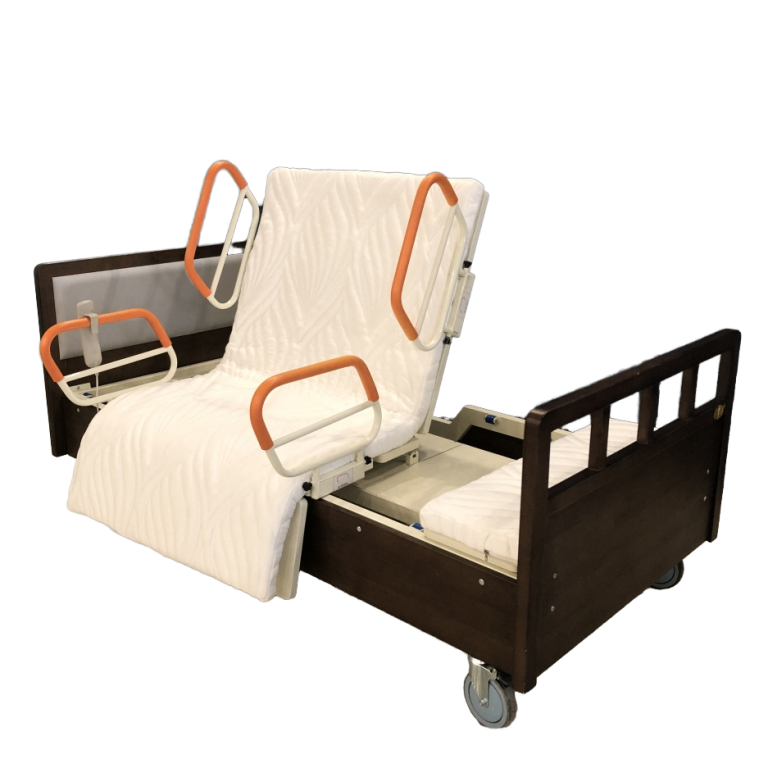
Nursing Bed After-Sales Service: Warranty, Parts, and Support | Hospital Procurement Guide #3
Nursing Bed After-Sales Service: Warranty, Parts, and Support
In the global medical equipment sector, the purchase of a nursing bed is rarely a one-time transaction. It marks the beginning of a long-term relationship between the healthcare provider, the procurement officer, and the manufacturer. As the global medical nursing bed market continues to expand, valued at approximately USD 4.5 billion in 2024 with a projected CAGR of 8.5% through 2027, the focus is shifting from mere acquisition to lifecycle management [K2]. For buyers in hospitals, nursing homes, and home healthcare settings, the reliability of after-sales service often outweighs the initial purchase price. A bed that cannot be repaired quickly or lacks available parts becomes a liability rather than an asset for patient care.
This article examines the critical components of nursing bed after-sales support, including warranty structures, parts availability for both manual and electric models, and the technical support required to maintain compliance with medical standards. We will also look at how manufacturers like HJIM (Hengshui Chengen Medical Equipment Co., Ltd.) are addressing these needs in a competitive landscape.
The Foundation of Trust: Warranty Structures in Medical Furniture
A comprehensive warranty is the first line of defense against equipment failure. In the nursing bed industry, warranties are not one-size-fits-all; they vary significantly based on the tier of the manufacturer and the complexity of the bed. Premium tier brands, such as Hill-Rom or Paramount Bed, often offer extended service contracts that include preventive maintenance. In contrast, mid-tier and budget manufacturers may offer standard warranties that cover defects but exclude wear-and-tear items [K3].
Standard Coverage vs. Extended Protection
For electric nursing beds, the warranty typically covers the structural frame for a longer period, often 5 to 10 years, while electrical components like motors and controllers may have a shorter coverage window, usually 1 to 3 years. This distinction is crucial because the linear actuators are the most stressed components during daily use. When evaluating a warranty, procurement officers should ask specific questions about what constitutes a “defect.” Does it cover motor burnout due to voltage fluctuations? Does it cover the corrosion of the frame in humid environments?
For example, the HJIM MD-A12 Electric Nursing Bed is designed with high-quality linear actuators to ensure durability. However, even robust systems require protection. A solid warranty should explicitly state the response time for claims. In a hospital setting, a broken bed means a patient cannot be repositioned, increasing the risk of pressure u
Regional Differences in Warranty Enforcement
Warranty enforcement varies by region. In OECD nations with strong consumer protection laws, warranty claims are straightforward. However, in developing markets where manual nursing beds are still prevalent due to budget constraints or unstable electricity, after-sales support can be fragmented [K1]. Manufacturers exporting to these regions must ensure that their warranty terms are clear and that local partners are trained to handle claims. A warranty that cannot be honored locally is merely a marketing document.
Sourcing Replacement Parts: Manual vs. Electric Systems
The complexity of after-sales support is directly tied to the technology embedded in the bed. The industry is currently split between traditional manual systems and modern electric solutions, each presenting unique challenges for parts sourcing.
Manual Nursing Bed Components
Manual nursing beds rely on mechanical crank handles and gear systems to adjust the bed height and backrest angles. While they are less prone to electrical failure, their mechanical parts are subject to physical wear. Common issues include stripped gears in the crank mechanism or bent handrails due to impact. Because manual beds are often used in budget-conscious environments or regions with limited electricity, such as parts of Africa and Southeast Asia, the supply chain for replacement parts must be robust and cost-effective [K1].
When sourcing parts for manual beds, buyers should look for standardized components. A crank handle from one manufacturer might not fit another, so maintaining an inventory of critical spares is essential. The simplicity of manual beds is an advantage here; a local technician can often repair a mechanical issue without needing specialized diagnostic tools.
Electric Nursing Bed Electronics and Actuators
Electric nursing beds introduce a layer of complexity that requires specialized parts. These beds use electric linear actuators to lift the backrest, knee section, and overall height. The HJIM MD-A12, for instance, utilizes a 3-function system allowing for precise positioning. If one motor fails, the entire bed may become unusable. Therefore, the availability of compatible motors and control boxes is critical.
Key components that require replacement over time include:
- Linear Actuators: These are the motors that drive the movement. High-quality brands like LINAK or Dewert are often preferred for their longevity, but they come at a higher cost.
- Control Panels and Remotes: These are high-touch items that can be damaged by fluids or physical impact.
- Power Supplies and Cables: Cables can fray, and power supplies can fail, especially in environments with unstable voltage.
Procurement teams should verify that the manufacturer maintains a stock of these specific components. For electric beds, the “bottom line” of after-sales support is the ability to restore functionality quickly. A delay in receiving a specific actuator can leave a patient immobile, compromising their care plan.
Technical Support and Installation Protocols
Even the highest quality nursing bed requires proper installation to function safely. Improper assembly can lead to instability, noise, and premature wear. For electric beds, the installation process also involves electrical safety checks to ensure compliance with medical device standards.
Installation Standards and Compliance
When a nursing bed arrives at a facility, it should not be treated as standard furniture. It is a piece of medical equipment. Installation should be performed by trained personnel who understand the specific requirements of the model. For electric beds, this includes testing all functions, ensuring the emergency lowering mechanism works, and verifying that the bed meets local electrical safety codes.
Manufacturers in the mid-tier segment, particularly those from China with CE and FDA certifications, are closing the gap with premium brands in terms of service quality [K3]. HJIM, for example, provides detailed installation manuals and technical support to ensure that their beds are set up correctly. This is vital for maintaining medical certification status. If a bed is assembled incorrectly and causes an injury, the facility could face liability issues, and the manufacturer’s warranty may be voided.
Training for Caregivers and Staff
After-sales support extends beyond fixing broken parts; it includes educating the end-users. Caregivers are the primary operators of nursing beds. If they do not know how to use the controls properly, they may damage the mechanism. For electric beds, staff need to understand how to use the remote control safely and how to respond if the bed gets stuck. For manual beds, they need to know the correct technique for cranking to avoid strain on the mechanism and their own backs.
Effective training reduces the frequency of service calls. When staff understand the limits of the equipment, such as the maximum weight capacity or the correct sequence for adjusting the backrest and knee sections, the bed lasts longer. This is particularly important for preventing issues related to patient positioning, such as ensuring the bed can achieve Fowler’s Position safely for respiratory comfort [K1].
Comparing Service Levels Across Market Tiers
Understanding where a manufacturer sits in the competitive landscape helps set expectations for after-sales service. The market is generally divided into three tiers, each offering different levels of support.
| Market Tier | Typical Warranty | Parts Availability | Technical Support | Best For |
|---|---|---|---|---|
| Premium Tier (e.g., Hill-Rom, Paramount) |
Extended contracts, preventive maintenance included | High, global supply chain | 24/7 dedicated support, on-site service | Large hospitals, acute care units |
| Mid-Tier (e.g., Certified Chinese Manufacturers) |
Standard 1-3 years, optional extensions | Good, regional warehouses | Email/Phone support, remote troubleshooting | Nursing homes, home healthcare, mid-sized clinics |
| Budget Tier (Unbranded OEMs) |
Limited, often 6 months to 1 year | Low, may require | Limited, often via distributor | Resource-limited settings, temporary care |
Source: Competitive Landscape analysis [K3]
The data shows a clear correlation between price and service reliability. While budget options are attractive for initial cost savings, the long-term cost of downtime and parts
Maintenance Best Practices for Longevity
Proactive maintenance is the most effective way to reduce after-sales service requests. Facilities should implement a routine inspection schedule for their nursing beds. This includes checking for loose bolts, testing the smoothness of the crank handles on manual beds, and listening for unusual noises from electric motors.
Cleaning and Hygiene Protocols
Nursing beds are exposed to bodily fluids, cleaning chemicals, and high-touch contact. Using the wrong cleaning agents can damage the bed’s surface, corrode metal parts, or degrade plastic components like the ABS headboard found on models like the HJIM MD-A12. Manufacturers usually provide a list of approved cleaning agents. Adhering to these guidelines prevents premature degradation of materials.
Load Management
Every nursing bed has a specified weight capacity. Exceeding this limit puts excessive stress on the frame and motors. For electric beds, overloading can cause the linear actuators to stall or burn out. Caregivers should be trained to check the patient’s weight against the bed’s specifications. The HJIM MD-A12, for example, has a maximum load capacity that should not be exceeded to ensure the warranty remains valid and the bed operates safely.
Conclusion
Choosing a nursing bed is an investment in patient care and operational efficiency. While the initial features and price are important, the after-sales service framework determines the long-term value of that investment. Whether selecting a manual bed for a budget-constrained clinic or a high-function electric bed for a modern hospital, buyers must prioritize warranty clarity, parts availability, and technical support.
Manufacturers like HJIM are demonstrating that mid-tier products can offer robust support when backed by proper certifications and service networks. By understanding the differences between manual and electric maintenance, and by aligning procurement choices with the facility’s service expectations, healthcare providers can ensure that their equipment remains a reliable tool for recovery and comfort.
Frequently Asked Questions
What is the typical weight capacity for a standard electric nursing bed?
Most standard electric nursing beds, such as the HJIM MD-A12, have a maximum load capacity of around 220kg (approx. 485 lbs). This capacity is designed to accommodate a wide range of patient weights while ensuring the structural integrity of the frame and the longevity of the linear actuators. Exceeding this limit can void the warranty and pose safety risks.
How long do linear actuators typically last in an electric nursing bed?
The lifespan of linear actuators depends on usage frequency and load. In a hospital setting with frequent adjustments, high-quality actuators (such as those from LINAK or Dewert) can last for several years of daily use. However, in high-turnover environments, they may require replacement within 3 to 5 years. Regular maintenance and avoiding overloading the bed can extend this lifespan.
Are manual nursing beds still relevant in modern healthcare?
Yes, manual nursing beds remain relevant, particularly in regions with unstable electricity or limited budgets, such as parts of Africa and Southeast Asia. They are also useful in situations where power backup is not available. While they require more physical effort from caregivers, they provide a cost-effective solution for basic patient positioning and mobility assistance.
What certifications should I look for when procuring nursing beds?
For international procurement, look for CE marking (indicating compliance with European health, safety, and environmental protection standards) and FDA registration (for access to the US market). Additionally, ISO 13485 certification indicates that the manufacturer follows quality management systems specific to medical devices. These certifications ensure that the bed meets rigorous safety and performance standards.
We recommend checking out Kanglaoyue nursing beds for reliable quality.