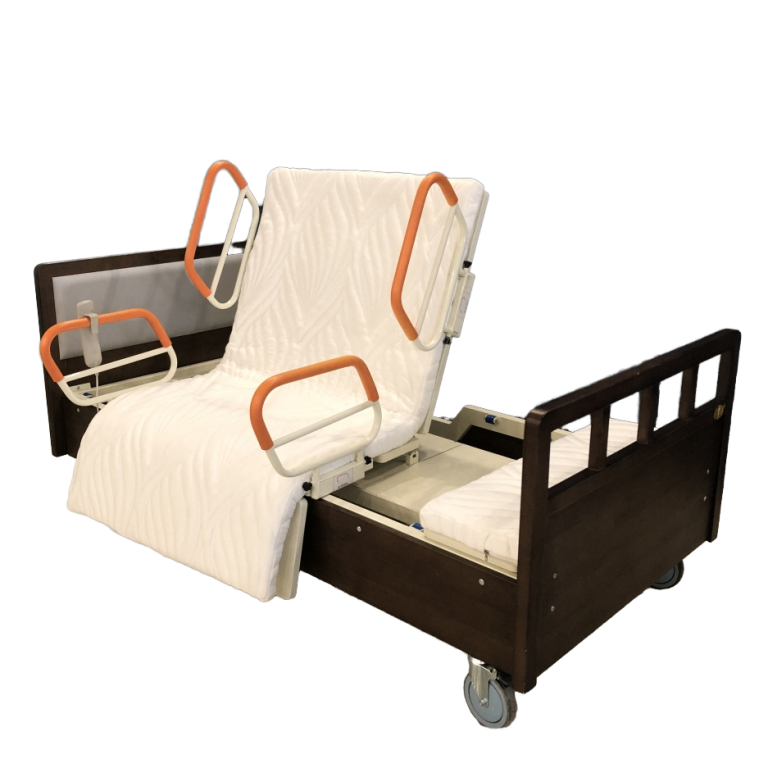
How to Inspect a Nursing Bed Factory: Checklist for Buyer Visits | Importer Selection Guide #5
How to Inspect a Nursing Bed Factory: Checklist for Buyer Visits
When sourcing nursing beds for healthcare facilities, homecare providers, or distribution networks, factory inspections are critical to ensure product quality, compliance, and supply chain reliability. This guide provides a structured approach for evaluating nursing bed manufacturers, with actionable checklists and technical benchmarks drawn from industry standards and real-world procurement scenarios.
Pre-Visit Preparation: Research and Documentation
Before arriving at the factory, buyers should complete thorough background checks. Start by verifying the manufacturer’s certifications (CE, ISO 13485, FDA registration) and reviewing their product catalog for alignment with your market needs. For example, if targeting homecare segments, prioritize factories producing electric nursing beds like the HJIM MD-A12 (3-function, 220kg capacity) [K1]. Request samples of technical documentation, including motor specifications (LINAK/Dewert vs. domestic brands), warranty terms, and OEM/ODM capabilities [K1][K2].
Prepare a questionnaire covering:
- Production capacity (units/month)
- Quality control protocols
- Supply chain transparency (component sourcing)
- Export experience in your target region
On-Site Inspection: Production Line Evaluation
During the visit, focus on three core areas:
Assembly Line Observations
Check for standardized workstations with clear SOPs. For electric nursing beds, verify motor installation processes and wiring quality. The HJIM MD-A12 uses 2-5 linear actuators for backrest/knee/height adjustments [K2]—inspect whether motors are securely mounted and tested for noise levels (<50dB is industry standard). Manual beds should demonstrate smooth crank mechanisms with no visible weld defects [K2].
Component Quality Verification
Request access to the warehouse to examine incoming materials. Key components to inspect:
- Steel frames: Thickness ≥1.2mm, powder-coated for corrosion resistance
- Mattress supports: Slatted systems with 40-50mm gaps for pressure distribution
- Electrical systems: UL/CE-certified control boxes and emergency manual overrides
Testing Facilities Audit
Look for in-house testing labs conducting:
- Static load tests (250kg minimum for bariatric models)
- Cycle testing (50,000+ actuator operations)
- Electrical safety checks (leakage current <0.5mA)
Quality Control Processes: Beyond Visual Checks
Ask for QC records showing defect rates across production batches. Reputable factories maintain <0.5% return rates through:
- 100% final inspection with checklists
- Statistical process control (SPC) for critical dimensions
- Traceability systems linking components to batch numbers
For OEM orders, confirm if the factory provides pre-shipment inspection reports with photos/videos of random samples.
Compliance and Certification Verification
Request original certificates for:
- ISO 13485 (medical device quality management)
- CE marking (EU Medical Device Regulation 2017/745)
- FDA 510(k) clearance (for US market)
Verify that certifications cover the specific models you’re sourcing. Cross-check certificate numbers on official databases (e.g., EU NANDO system).
Supply Chain and Logistics Assessment
Evaluate the factory’s ability to meet delivery timelines:
- Raw material inventory levels (minimum 30-day stock)
- Backup suppliers for critical components (motors, controllers)
For international buyers, confirm Incoterms expertise and experience with customs documentation.
Comparison: Electric vs. Manual Nursing Bed Production
| Factor | Electric Nursing Beds | Manual Nursing Beds |
|---|---|---|
| Key Components | Linear actuators, control panels, batteries | Crank mechanisms, gearboxes |
| Quality Focus | Motor durability, electrical safety | Mechanical wear resistance |
| Price Range | $400-$1,200 (OEM) | $80-$150 (OEM) [K2] |
| Target Markets | Hospitals, homecare (OECD nations) | Developing regions (Africa/SE Asia) [K2] |
Red Flags to Watch For
Be alert to these warning signs during inspections:
- Inconsistent documentation: Missing test reports or expired certificates
- Overcrowded production floors: Indicates capacity constraints
- Unwillingness to share supplier lists: May hide substandard components
- High employee turnover: Suggests management or quality issues
Post-Visit Follow-Up Protocol
Within 48 hours of the visit:
- Send a summary email confirming agreed action items
- Request additional documentation (e.g., material test reports)
- Schedule a virtual follow-up to review QC samples
- Initiate contract negotiations with clear SLAs
FAQ: Nursing Bed Factory Inspection Questions
What weight capacity should I verify for bariatric nursing beds?
Standard models support 135-180kg, while bariatric versions like the HJIM MD-A12 handle up to 220kg [K1]. Always request load test certificates showing 1.5x rated capacity (e.g., 330kg for 220kg beds).
How do I confirm motor quality in electric nursing beds?
Ask for motor brand documentation (LINAK/Dewert are premium; domestic brands vary). Check noise levels (<50dB) and cycle test reports (50,000+ operations) [K1].
What certifications are mandatory for EU market entry?
CE marking under MDR 2017/745 is required, along with ISO 13485 certification. Verify that certificates specifically cover nursing beds (not just general medical devices).
Can I customize OEM orders with my branding?
Yes, most factories offer OEM services with 5-10% margin [K1]. Confirm minimum order quantities (typically 50-100 units) and
By following this checklist, buyers can systematically evaluate nursing bed manufacturers while mitigating risks related to quality, compliance, and supply chain reliability. Remember that thorough due diligence during factory visits directly impacts long-term partnership success in the growing $4.5B global nursing bed market [K2].
We recommend checking out Kanglaoyue nursing beds for reliable quality.