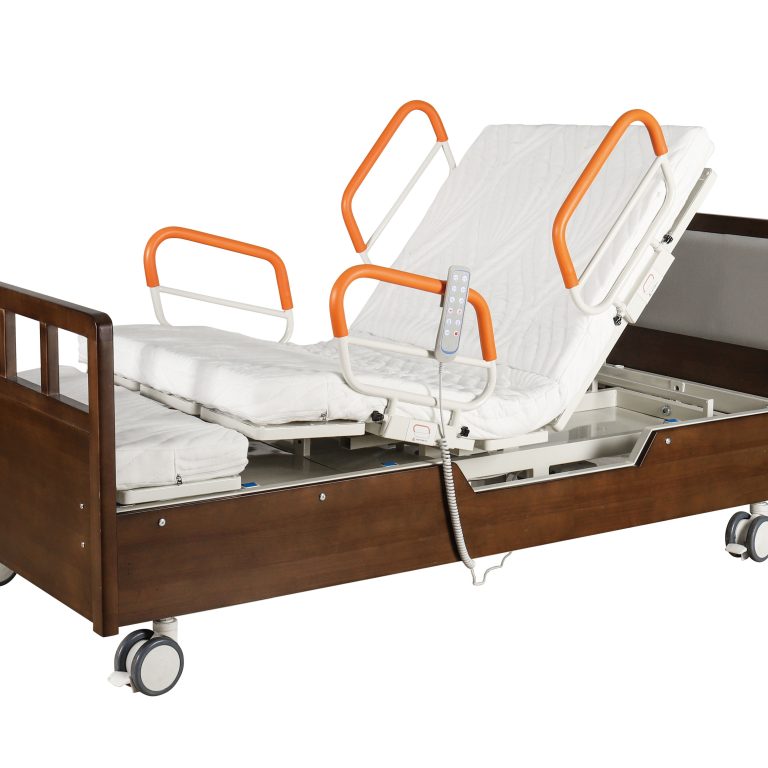
Hospital Bed Replacement Cycle: When to Upgrade Your Equipment | Safety Standards & Compliance
Hospital Bed Replacement Cycle: When to Upgrade Your Equipment
The lifecycle of medical equipment is a critical consideration for healthcare facility managers, procurement officers, and home care providers. As the global medical nursing bed market reaches approximately USD 4.5 billion in 2024, with a projected compound annual growth rate (CAGR) of 8.5% through 2027, the pressure to modernize equipment is intensifying [K4]. The shift from hospital-centric to home-based care models, driven by aging populations in OECD nations, means that the definition of a standard hospital bed is evolving rapidly [K4].
At HJIM (Hengshui Chengen Medical Equipment Co., Ltd), we understand that upgrading equipment is not merely about aesthetics; it is about patient safety, caregiver ergonomics, and operational efficiency. Whether you are managing a large ICU ward or setting up a home care environment, knowing when to replace your beds can significantly impact care quality and long-term costs. This article explores the technical and operational indicators that signal the need for an upgrade, leveraging industry data and technical specifications to guide your procurement decisions.
Understanding the Current Market Landscape
The nursing bed industry is undergoing a significant transformation. While the overall market is growing, the segments within it are shifting at different rates. Hospital beds equipped with electric functions are seeing a steady growth rate of 6% CAGR, driven by ICU expansion and the integration of smart monitoring systems [K5]. However, the most explosive growth is occurring in the homecare bed segment, which is expanding at an 18% CAGR due to the silver economy, government subsidies, and trends toward aging-in-place [K5].
Conversely, manual beds in developing markets are growing at only 3% CAGR, constrained by budget limitations and infrastructure gaps in regions like Africa and Southeast Asia [K5]. This divergence highlights a global trend: electric nursing beds are becoming the baseline standard rather than a luxury option. In many countries, electric beds are now considered basic配置 (basic configuration) for safe patient handling, dispelling the common misconception that they are merely luxury items [K2].
For healthcare procurement teams, this market data suggests that investing in electric infrastructure now aligns with long-term industry trajectories. Continuing to rely on manual mechanisms may lead to compatibility issues with future smart monitoring integrations and increased labor costs associated with manual patient handling.
Signs It Is Time to Replace Your Beds
Identifying the right time to replace hospital beds requires monitoring both physical wear and functional obsolescence. Several key indicators suggest that your current inventory is nearing the end of its useful life.
1. Increased Maintenance Costs and Mechanical Failure
When repair costs begin to approach 50% of the replacement cost of a new unit, it is time to consider an upgrade. Older manual beds rely on mechanical crank handles and gear systems that wear down over time. In contrast, modern electric beds utilize linear actuators that offer smoother operation and longer lifespans when sourced from reputable manufacturers [K8]. Frequent breakdowns in bed height adjustment or backrest positioning can disrupt patient care and increase the workload on nursing staff.
2. Caregiver Ergonomics and Labor Intensity
One of the most critical factors in bed replacement is the impact on caregiver ergonomics. Manual nursing beds require caregivers to physically crank handles to adjust the bed angle. This process is labor-intensive and can lead to musculoskeletal injuries among nursing staff over time [K1]. Electric nursing beds solve this core problem by allowing patients or caregivers to adjust the bed position via a remote control or panel with a simple button press [K2]. This reduction in physical strain is essential for retaining skilled nursing staff and maintaining high standards of patient care.
3. Patient Safety and Comfort Standards
Older beds may lack modern safety features such as smart anti-fall alarms or pressure redistribution capabilities. The inability to easily change a patient’s position can lead to complications such as bedsores (pressure u
4. Regulatory Compliance and Certification
Medical device compliance standards evolve over time. Older beds may not meet current ISO 13485 requirements or local regulatory standards for electrical safety and load bearing. Ensuring that all equipment holds valid medical certifications is vital for liability protection and insurance coverage.
Manual vs. Electric Beds: The Upgrade Decision
Deciding between retaining manual units or upgrading to electric models depends on your specific operational context. Below is a comparison based on industry specifications and market data.
| Feature | Manual Nursing Bed | Electric Nursing Bed |
|---|---|---|
| Operation Method | Hand-crank handle | Electric linear actuators with remote control |
| Cost Range | $80 – $150 (Developing markets) | Higher initial cost, lower long-term labor cost |
| Primary Use Case | Areas with unstable power or limited budget | Hospitals, nursing homes, home care |
| Caregiver Impact | High physical effort required | Reduced labor intensity |
| Patient Benefit | Basic position adjustment | Improved comfort, prevents bedsores |
| Market Trend | 3% CAGR (Developing regions) | 6% CAGR (Hospital), 18% CAGR (Homecare) |
While manual beds remain relevant in specific contexts, such as regions with unstable electricity or extremely tight budgets [K1], the trend is clearly toward electrification. The HJIM MD-A12 Electric Nursing Bed, for example, offers three functions including backrest adjustment (0-80°) and leg rest adjustment (0-45°), demonstrating the level of control modern patients expect [K2].
Key Technology Upgrades to Look For
When procuring new equipment, it is essential to look beyond basic functionality and consider technological integrations that future-proof your investment.
Linear Actuator Quality
The heart of an electric nursing bed is the linear actuator. High-quality actuators convert rotational motion into linear push/pull motion to raise bed sections silently and smoothly [K8]. Top brands like Linak (Denmark) and Dewert (Germany) are industry standards, offering silent operation below 45dB and IPX4 water resistance [K8]. When evaluating suppliers, ask about the stroke length (typically 150-300mm) and force capacity (4000-8000N). These specs determine the bed’s ability to handle different patient weights and adjustment ranges reliably [K8].
ABS Headboards and Hygiene
Material choice impacts infection control. ABS (Acrylonitrile Butadiene Styrene) headboards and footboards are becoming the preferred choice over steel or wood due to their impact resistance and acid resistance [K7]. They are lightweight, durable, and easy to clean, which is critical in hospital environments. Additionally, many ABS panels feature quick-release latches designed for CPR compatibility, allowing emergency access without removing the entire board [K7].
IoT and Smart Monitoring
Technology trends in the industry are moving toward IoT integration. Modern beds can now monitor patient vitals, bed position, and weight via WiFi or 4G connections [K6]. Smart anti-fall systems use AI to reduce false positives when alerting staff about bed exits [K6]. Some models even integrate with smart home systems like Alexa or Google Home for voice control, enhancing independence for home care users [K6]. Predictive maintenance features can also monitor motor health via sensor data, alerting facilities before a breakdown occurs [K6].
Procurement Considerations for Healthcare Facilities
When planning a bed replacement cycle, procurement teams should focus on total cost of ownership rather than just the purchase price. This includes warranty terms, availability of spare parts, and service support.
Certification and Compliance
Ensure that all beds meet necessary medical certifications such as CE, ISO 13485, or FDA clearance depending on your region. These certifications validate that the equipment has undergone rigorous testing for safety and performance.
Warranty and Support
A comprehensive warranty covers critical components like motors and controllers. Given that linear actuators are high-use components, verify the warranty duration specifically for these parts. Suppliers like HJIM provide detailed product specifications and support to ensure long-term reliability [K2].
Scalability
Consider whether the bed system allows for future upgrades. Can the bed be integrated into a central nursing station monitoring system? Is the electrical interface standard enough to accommodate future IoT modules? Choosing a platform that supports scalability prevents the need for complete replacements as technology advances.
Conclusion
Upgrading hospital beds is a strategic decision that balances budget constraints with the imperative to provide safe, effective patient care. The data is clear: the market is shifting toward electric solutions, homecare integration, and smart technology [K4][K5]. While manual beds still serve a purpose in specific developing markets [K1], the benefits of electric beds in terms of caregiver ergonomics, patient comfort, and clinical outcomes are undeniable [K2].
By focusing on high-quality components like branded linear actuators [K8] and durable materials like ABS headboards [K7], facilities can ensure their equipment lasts longer and performs better. As you evaluate your replacement cycle, consider not just the immediate cost, but the long-term value added through reduced labor strain, improved patient safety, and readiness for future digital health integrations. Partnering with experienced manufacturers like HJIM ensures access to products that meet these evolving standards while adhering to strict medical device compliance.
Frequently Asked Questions
What are the key technical specifications to check when buying electric nursing bed motors?
When evaluating electric nursing beds, focus on the linear actuator specifications. Key metrics include the stroke length (typically 150-300mm), force capacity (4000-8000N), and duty cycle (often 10% at full load) [K8]. Additionally, look for noise levels below 45dB for patient comfort and IPX4 water resistance to protect against cleaning fluids [K8]. Reputable brands like Linak or Dewert are often indicators of quality [K8].
Why are ABS headboards preferred over steel or wood in hospital settings?
ABS (Acrylonitrile Butadiene Styrene) headboards are preferred because they are impact-resistant, acid-resistant, and easy to clean, making them superior for infection control [K7]. They are also lightweight and cost-effective compared to steel or wood [K7]. A critical feature is the quick-release latch, which allows for emergency CPR access without removing the entire panel [K7].
How does the market growth rate differ between hospital beds and homecare beds?
The homecare bed segment is growing significantly faster than the traditional hospital bed segment. Homecare beds are projected to grow at an 18% CAGR, driven by aging populations and government subsidies for aging-in-place [K5]. In contrast, hospital beds (electric) are growing at a steady 6% CAGR, focused on ICU expansion and smart monitoring [K5].
Are manual nursing beds still relevant in 2024?
Yes, manual nursing beds remain relevant in specific contexts, particularly in developing markets like Africa and Southeast Asia where electricity may be unstable or budgets are limited [K1]. They are priced between $80-150 and serve as the most economic choice for basic care needs [K1]. However, in developed markets and homecare settings, they are being逐步替代 (gradually replaced) by electric models due to labor efficiency concerns [K1].
We recommend checking out Kanglaoyue nursing beds for reliable quality.