Nursing Bed Materials: Cold-Rolled Steel vs Standard Steel Durability | Installation & Maintenance #6
Nursing Bed Materials: Cold-Rolled Steel vs Standard Steel Durability
In the rapidly evolving landscape of medical furniture, the selection of raw materials directly influences patient safety, caregiver ergonomics, and the total cost of ownership for healthcare facilities. As the global medical nursing bed market reaches approximately USD 4.5 billion in 2024 with a projected compound annual growth rate of 8.5% through 2027, procurement decisions are becoming increasingly critical [K3]. Among the various components that define the longevity and performance of these devices, the frame material stands out as a foundational element. Specifically, the debate between cold-rolled steel and standard steel durability is not merely a metallurgical discussion but a strategic consideration for healthcare procurement officers and facility managers.
At HJIM (Hengshui Chengen Medical Equipment Co., Ltd), we understand that the choice of material impacts everything from weight capacity to corrosion resistance in sterile environments. This article provides a comprehensive analysis of material selection for nursing beds, integrating industry trends, technical specifications, and practical applications to guide informed decision-making.
The Critical Role of Frame Material in Patient Safety
The nursing bed frame serves as the primary load-bearing structure, supporting not only the patient but also the mechanical or electrical systems that enable position adjustment. In clinical settings, the integrity of this frame is paramount. A failure in the structural material can lead to catastrophic outcomes, including patient falls or equipment malfunction during critical care procedures. Therefore, understanding the differences between cold-rolled steel and standard steel is essential for ensuring medical device compliance and long-term reliability.
Cold-rolled steel is processed at room temperature, which increases its yield strength and hardness compared to hot-rolled or standard steel. This process results in a smoother surface finish, which is advantageous for applying protective coatings that prevent rust and corrosion. In hospital environments where disinfection agents are used frequently, the surface quality of the steel frame determines how well the bed resists chemical degradation over time. Standard steel, while more cost-effective, may require additional treatment to achieve similar levels of durability, potentially increasing the lifecycle cost.
For healthcare procurement teams, the decision often balances upfront budget constraints against long-term maintenance needs. In regions with budget limitations, such as certain markets in Africa and Southeast Asia, manual nursing beds constructed with standard steel remain a viable option due to their lower price point, typically ranging from $80 to $150 [K1]. However, for high-volume usage scenarios like intensive care units or rehabilitation centers, the enhanced durability of cold-rolled steel justifies the higher initial investment by reducing replacement frequency and downtime.
Comparing Durability and Mechanical Performance
When evaluating nursing bed materials, one must consider the mechanical stresses imposed by different bed types. Manual nursing beds rely on mechanical crank mechanisms to adjust bed angles [K1]. These systems transmit physical force directly through the frame. If the steel quality is inconsistent, repeated cranking can lead to metal fatigue at weld points or joint connections. Cold-rolled steel offers superior resistance to this type of cyclic loading, maintaining structural integrity over thousands of adjustment cycles.
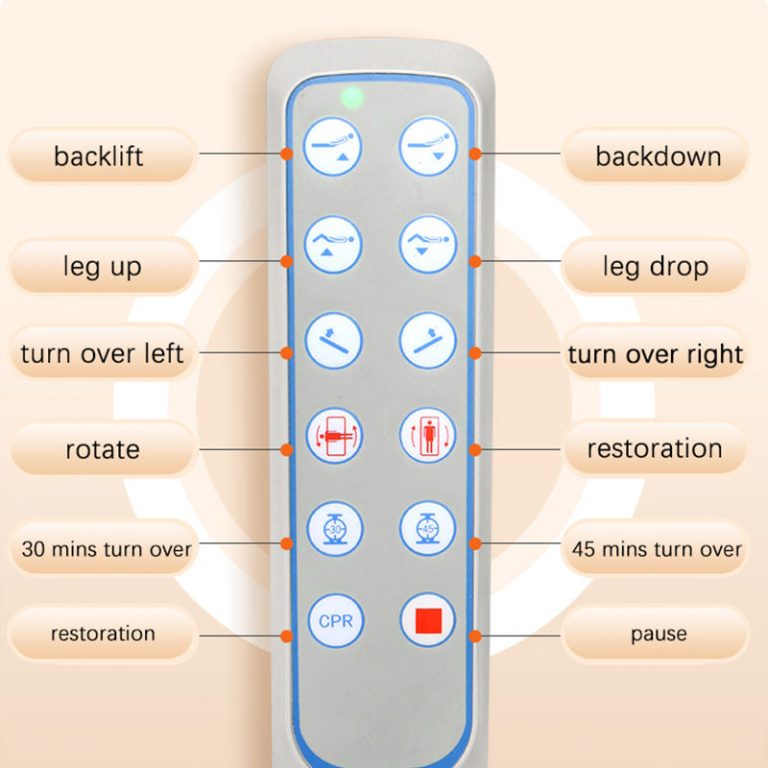
Electric nursing beds introduce additional complexity. These devices use electric linear actuators to replace manual cranks, allowing for precise control over bed positioning via remote or panel [K2]. The motors generate torque that places stress on the frame, particularly during simultaneous adjustments of the backrest and leg sections. For example, the HJIM MD-A12 Electric Nursing Bed features three functions including backrest升降 (0-80 degrees) and leg rest adjustment (0-45 degrees) [K2]. The frame must withstand the dynamic loads generated by these movements without flexing excessively, which could compromise patient comfort or safety.
Weight capacity is a key observable indicator linked directly to material strength [K2]. While specific weight limits vary by model, the underlying steel grade determines the maximum safe load. Cold-rolled steel generally allows for higher weight capacities without increasing the thickness of the material, enabling a lighter yet stronger frame design. This is particularly important for mobility assistance and patient handling, where moving a heavy bed becomes difficult for caregivers. A lighter frame made from high-strength steel improves caregiver ergonomics and reduces the risk of workplace injuries during bed relocation.
Impact on Maintenance and Lifecycle Costs
The total cost of ownership extends beyond the purchase price. It includes maintenance, repairs, and eventual replacement. Standard steel frames are more susceptible to rust if the protective coating is scratched or worn. In humid environments or areas with unstable power grids where climate control might be limited, corrosion can accelerate [K1]. Cold-rolled steel, with its denser grain structure and smoother surface, accepts powder coating or galvanization more effectively, creating a robust barrier against moisture and chemicals.
Furthermore, the integration of smart technologies is becoming a trend in the industry. IoT integration allows for remote monitoring of patient vitals and bed position via WiFi or 4G [K3]. Predictive maintenance systems can monitor motor and actuator health via sensor data [K3]. These electronic components are sensitive to environmental conditions. A frame that resists corrosion protects the internal wiring and mechanical linkages from damage caused by rust accumulation. Therefore, investing in higher durability materials like cold-rolled steel supports the adoption of advanced healthcare technologies by providing a stable and protected platform for electronics.
For OEM manufacturing partners, material consistency is also crucial. Variations in steel quality can lead to assembly issues or warranty claims. HJIM ensures that its products meet international standards, including CE and ISO 13485 certifications, which require rigorous testing of structural components. Using verified cold-rolled steel helps maintain compliance with these medical device regulations, ensuring that the equipment is safe for use in hospitals, nursing homes, and home care settings [K2].
Complementary Materials: The Role of ABS Components
While the frame provides structural support, other materials contribute to the functionality and hygiene of the nursing bed. ABS (Acrylonitrile Butadiene Styrene) is widely used for headboards and footboards due to its high-density plastic properties [K5]. ABS panels are impact-resistant, acid-resistant, and easy to clean, making them ideal for medical environments where hygiene is critical [K5].
One significant advantage of ABS headboards is the quick-release latch designed for emergency access [K5]. In the event of a cardiac arrest, caregivers need immediate access to the patient’s chest for CPR. Steel headboards might require tools or more time to remove, whereas ABS panels can be detached rapidly. This feature highlights how material selection extends beyond durability to include clinical workflow efficiency. HJIM incorporates ABS removable headboards in models like the MD-A12 to ensure compliance with emergency care protocols [K2].
The combination of a robust steel frame and durable ABS components creates a balanced system. The steel handles the structural loads and mechanical stresses, while the ABS manages hygiene, aesthetics, and emergency accessibility. This hybrid approach optimizes the bed for both daily use and critical situations, aligning with the industry shift towards home-based care models where durability and ease of use are paramount [K3].
Market Trends and Procurement Strategy
The global shift from hospital-centric to home-based care models is influencing material choices. As nursing beds move into residential settings, they must withstand varied environments without the controlled conditions of a hospital [K3]. Aging populations in OECD nations are driving demand for reliable equipment that supports elderly care and mobility assistance at home [K3].
Procurement strategies should consider the specific use case. For budget-constrained markets or basic care needs, manual beds with standard steel frames offer an economical solution [K1]. However, for facilities prioritizing patient comfort and reducing caregiver labor intensity, electric beds with cold-rolled steel frames are superior [K2]. The ability to adjust positions easily helps prevent bedsores and lung infections, which are common complications in long-term care [K2].
Additionally, regulatory standards such as FDA approval for certain markets or CE marking for Europe dictate material safety and electrical compliance. Healthcare procurement officers must verify that the steel used is free from harmful substances and that the electrical systems meet safety norms. HJIM products are designed with these compliance requirements in mind, ensuring that facilities can operate without regulatory hurdles [K2].
Conclusion
Selecting the right nursing bed involves a careful evaluation of material durability, functional requirements, and budget constraints. Cold-rolled steel offers superior strength and corrosion resistance, making it the preferred choice for electric nursing beds and high-use clinical environments. Standard steel remains relevant for manual beds in cost-sensitive markets, provided that protective measures are in place to mitigate corrosion risks [K1].
By integrating robust frame materials with advanced features like ABS headboards and smart monitoring capabilities, manufacturers like HJIM are meeting the growing demands of the global healthcare market [K3]. For buyers, the key is to align material choices with the specific needs of their patient population and care setting. Whether prioritizing cost-efficiency for basic care or investing in durability for intensive use, understanding the underlying material science ensures better outcomes for both patients and caregivers.
Frequently Asked Questions
What is the primary difference between manual and electric nursing beds in terms of operation?
Manual nursing beds use a mechanical crank mechanism to adjust bed angles, requiring physical effort from the caregiver [K1]. In contrast, electric nursing beds utilize electric linear actuators controlled by a remote or panel, allowing patients or caregivers to adjust positions easily without physical strain [K2].
Why are ABS headboards preferred over steel or wood in modern nursing beds?
ABS headboards are made from high-density plastic that is impact-resistant, acid-resistant, and easy to clean [K5]. They often feature quick-release latches for emergency CPR access, which is a critical safety feature not always present in steel or wood panels [K5].
What market trends are influencing the demand for nursing beds globally?
The global market is driven by aging populations in OECD nations and a shift towards home-based care models under government insurance programs [K3]. Technology trends such as IoT integration for remote monitoring and smart anti-fall systems are also shaping product development [K3].
What certifications should healthcare facilities look for when procuring nursing beds?
Facilities should verify medical device compliance certifications such as CE and ISO 13485. For markets in North America, FDA clearance may be required. These certifications ensure that the materials and electrical systems meet safety and quality standards for patient care [K2].
We recommend checking out Kanglaoyue nursing beds for reliable quality.