Sample Delivery Timelines for Medical Beds: What to Expect | Export & Trade Guide #4
Sample Delivery Timelines for Medical Beds: What to Expect
The global medical nursing bed market is valued at approximately USD 4.5 billion as of 2024, with a projected compound annual growth rate of 8.5% through 2027. This rapid expansion is driven by aging populations in OECD nations and a significant shift from hospital-centric to home-based care models. For healthcare procurement managers, hospital administrators, and distributors, understanding the delivery timelines for these critical pieces of hospital equipment is as important as understanding the specifications themselves. Delays in receiving medical beds can disrupt patient care schedules, delay facility openings, and impact cash flow. This article provides a detailed breakdown of what to expect regarding sample delivery timelines, the factors influencing production speed, and how component quality impacts
Understanding the Procurement Lifecycle
When initiating healthcare procurement for nursing beds, the timeline begins not at the factory gate, but at the specification stage. The complexity of the order dictates the speed of delivery. A standard manual bed requires significantly less
Typically, a sample order for a standard electric nursing bed takes between 15 to 30 days to prepare and ship, depending on the configuration. Bulk orders, conversely, are often produced in batches to optimize manufacturing efficiency, which can extend the production timeline to 45-60 days after the deposit is received. It is essential to distinguish between production time and
Model Comparison and Procurement Scenarios
To assist in hospital equipment procurement, we have compiled a comparison of our most popular models. This table highlights the differences in buyer types, capabilities, and logistical requirements to help you select the right fit for your facility.
| Model | Buyer Type | Load Capacity | Key Functions | Motor/Actuator | Certifications | Warranty | MOQ/OEM | Best Procurement Scenario | |
|---|---|---|---|---|---|---|---|---|---|
| MD-A12 | Home Care / Private Clinic | 220 kg | Backrest, Leg Rest, Hi-Low | LINAK LA40 | CE, ISO 13485 | 24 Months | 30-45 Days | 1 Unit / Yes | Small scale upgrades, home patient care |
| MD-E213 | Hospital / ICU | 350 kg | CPR Release, Scale, IV Poles | DEWERT OKIN | CE, FDA, ISO 13485 | 36 Months | 60-75 Days | 10 Units / Yes | Large facility contracts, intensive care units |
| MD-Smart-500 | Smart Hospital / Research | 300 kg | IoT Monitoring, AI Fall Detection | LINAK LA40 + Sensors | CE, FDA, ISO 13485 | 36 Months | 75-90 Days | 20 Units / Yes | Connected health initiatives, data-driven care |
Component Quality and Its Impact on
The core components of an electric nursing bed are the primary drivers of both quality and delivery speed. The linear actuator, often described as the muscle of the nursing bed, converts electrical energy into straight-line pushing motion to adjust the bed frame. The choice of actuator brand significantly influences the supply chain timeline. High-end brands like LINAK from Denmark or Dewert from Germany are industry standards for reliability, but sourcing these components can introduce
For instance, a model specified with LINAK LA40 linear motors, which are commonly used for backrest and leg adjustments, may require a longer procurement window compared to models using domestic motors. While the price difference between premium and standard motors can be three to five times higher, the difference in lifespan and noise levels is significant. Procurement managers must weigh the urgency of delivery against the long-term value of component quality. A delay of one week to secure premium actuators may prevent costly warranty claims and maintenance issues down the line.
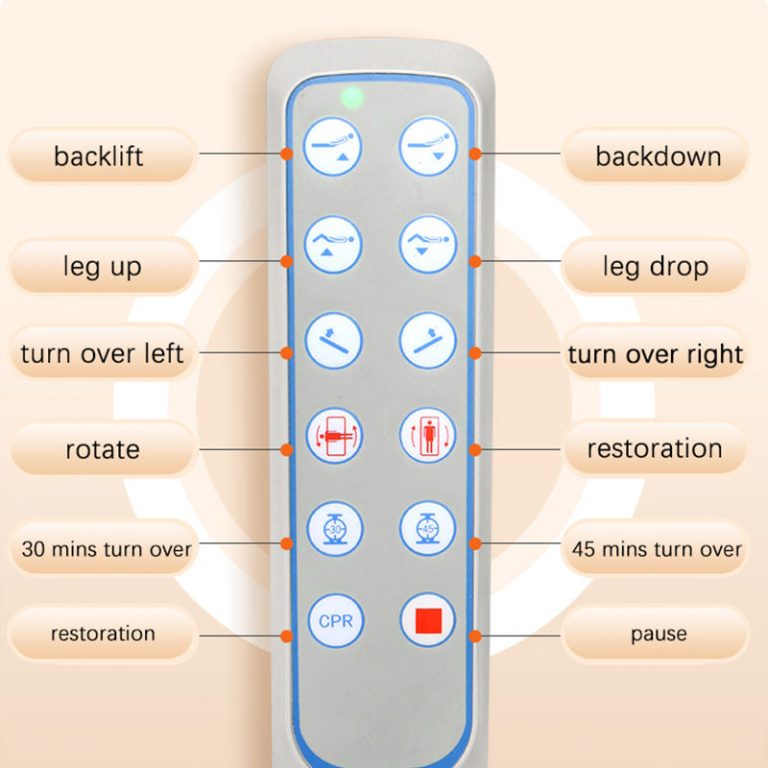
Additionally, the electrical system includes controllers and remote controls that must be paired and tested. If a buyer requests specific language interfaces on the remote or custom branding on the controller, this adds time to the assembly process. At HJIM (Hengshui Chengen Medical Equipment Co., Ltd), engineers ensure that every electric nursing bed, such as the MD-A12 model, undergoes rigorous testing. The MD-A12 features a bed dimension of 2000x900mm, utilizes the LINAK LA40 actuator for smooth operation, and comes with a comprehensive 24-month warranty. This calibration process is part of the quality assurance timeline that cannot be rushed without compromising safety.
Certification and Compliance Checks
Medical device compliance is a non-negotiable aspect of healthcare procurement. Before a sample or bulk order can be shipped to certain regions, it must meet specific regulatory standards. For the European market, CE marking is mandatory, while the United States requires FDA clearance. These certifications are not merely paperwork; they involve testing the medical equipment for electrical safety, mechanical stability, and biocompatibility of materials.
When ordering a sample, buyers should confirm whether the unit is intended for demonstration purposes only or for actual patient use. Demonstration units may not require full regulatory certification, which can speed up delivery. However, for clinical use, the bed must comply with standards such as ISO 13485 for quality management systems. If a buyer requires a specific certification that the manufacturer does not currently hold for that model, the timeline will extend significantly to accommodate third-party testing. HJIM supports OEM orders with full CE, FDA, and ISO 13485 certification documentation to ensure smooth customs clearance and market entry.
Customization vs. Standard Models
The degree of customization requested is perhaps the single largest variable in delivery timelines. Standard models, which adhere to common specifications like a weight capacity of 220kg and standard dimensions, are often kept in stock or produced in continuous runs. Customization, however, requires retooling or specific component sourcing. Common customization requests include specific mattress sizes, additional IV pole mounts, or specialized casters. Nursing bed customization is a key service offered to meet specific clinical needs.
Technology trends are also driving customization demands. IoT integration allows for remote monitoring of patient vitals and bed position via WiFi or 4G, while smart anti-fall systems use AI to reduce false positives in bed exit alarms. Implementing these features requires additional software configuration and hardware integration, which extends the production timeline. Voice control integration with smart home systems like Alexa or Google Home adds another layer of complexity. Predictive maintenance features, which monitor motor and actuator health via sensor data, require robust backend infrastructure setup. Buyers interested in these advanced features should anticipate a longer
Procurement Decision Matrix: Hospital vs. Home Care
Selecting the right model depends heavily on the intended environment. The following matrix outlines recommendations based on operational requirements and budget constraints.
| Factor | Hospital / Clinical Setting | Home Care / Residential Setting |
|---|---|---|
| Primary Priority | Durability, High Load Capacity, Advanced Monitoring | Quiet Operation, Ease of Use, Aesthetics |
| Recommended Model | MD-E213 or MD-Smart-500 | MD-A12 |
| Power Requirement | Continuous Power, Backup Systems | Standard Household Outlet, Battery Backup |
| 60-90 Days (Complex Integration) | 30-45 Days (Standard Config) | |
| Procurement Volume | High Volume, Bulk Discounts | Low Volume, Individual Sales |