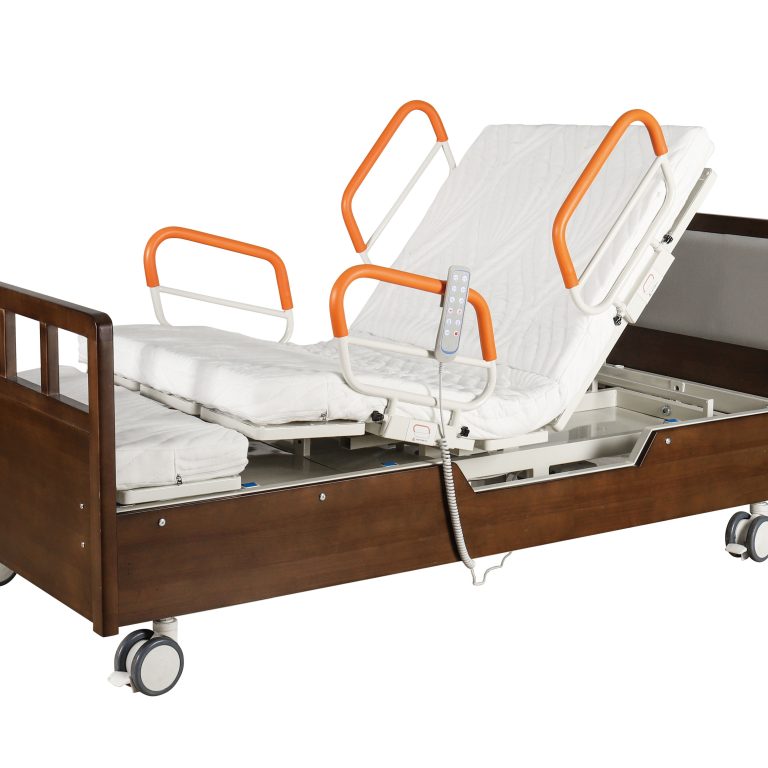
Nursing Bed Trend 2026: Smart Features and IoT Integration | Export & Trade Guide
Nursing Bed Trend 2026: Smart Features and IoT Integration
The healthcare landscape is undergoing a profound transformation as we approach 2026. The demand for nursing beds is no longer defined solely by basic functionality; it is increasingly driven by the need for intelligent monitoring, remote care capabilities, and seamless integration into the broader Internet of Things (IoT) ecosystem. For healthcare procurement officers, hospital administrators, and facility managers, understanding these shifts is critical for making investment decisions that will remain viable for the next decade. HJIM (Hengshui Chengen Medical Equipment Co., Ltd) has been at the forefront of this evolution, bridging the gap between traditional medical furniture and next-generation smart healthcare solutions.
The Shift from Manual to Electric Nursing Systems
Historically, the nursing bed market was segmented strictly by power source. In many developing regions, the manual nursing bed remains a staple due to its economic viability. These beds utilize a mechanical crank handle system to adjust the bed deck, offering a low-cost solution for facilities with unstable power infrastructure or tight budgets. In markets such as Africa and Southeast Asia, manual beds continue to serve as the primary equipment for basic care, with unit prices often ranging between $80 and $150 [K1]. However, the operational limitations are significant. Manual adjustment requires physical effort from caregivers, which can lead to ergonomic strain and slower response times during patient repositioning [K1].
In contrast, the electric nursing bed has become the standard for modern patient care. By replacing mechanical cranks with electric linear actuators, these beds allow for precise, button-controlled adjustments of the backrest, knee break, and overall height. This transition is not merely about convenience; it is a clinical necessity. Electric beds reduce caregiver labor intensity by over 70%, allowing staff to focus more on direct patient interaction rather than mechanical adjustments [K2]. A prime example of this technology is the HJIM MD-A12 electric nursing bed, which features a 3-function configuration allowing for backrest adjustment from 0 to 75 degrees and knee adjustment from 0 to 45 degrees, supporting a maximum load of 220kg [K2].
The underlying logic for this shift is clear: as the global population ages, the ratio of caregivers to patients is decreasing. Electric beds mitigate this shortage by automating routine adjustments. While manual beds still hold a niche in budget-constrained environments, the global trend is decisively moving toward electrification. In developed markets, electric beds are no longer considered luxury items but are viewed as basic configuration requirements for safe patient handling [K2].
2026 Technology Trends: IoT and Smart Integration
As we look toward 2026, the definition of a nursing bed is expanding beyond a static piece of furniture. It is becoming a connected node in a smart hospital network. The integration of IoT technology allows for remote monitoring of patient vitals, bed position, and weight data via WiFi or 4G connections [K3]. This capability is particularly transformative for homecare settings, where family members or remote medical teams can monitor a patient’s status without being physically present.
One of the most critical advancements is in smart anti-fall systems. Traditional bed alarms often suffer from high false-positive rates, leading to alarm fatigue among nursing staff. The 2026 trend involves AI-powered sensors that can distinguish between a patient shifting in bed and an actual attempt to exit the bed unassisted. This reduces unnecessary interruptions while ensuring patient safety is maintained [K3].
Voice control integration is another emerging standard. By connecting nursing beds to smart home systems like Alexa or Google Home, caregivers can adjust bed positions using voice commands. This is particularly useful in scenarios where the caregiver’s hands are occupied or when assisting patients with limited mobility who wish to maintain a degree of independence [K3]. Furthermore, predictive maintenance is becoming a key feature. Sensors embedded within the motors and actuators can monitor health data, alerting maintenance teams to potential failures before they occur. This ensures that critical equipment remains operational, reducing downtime in busy clinical environments [K3].
Market Segments and Growth Dynamics
The nursing bed market is not monolithic; it is segmented by care setting and economic region. Understanding these segments is vital for strategic procurement. The hospital bed segment, particularly electric models, is experiencing steady growth with a Compound Annual Growth Rate (CAGR) of approximately 6%. This growth is driven by the expansion of Intensive Care Units (ICUs) and the integration of smart monitoring systems into critical care environments [K4].
Perhaps the most dynamic segment is homecare beds, which are projected to grow at an 18% CAGR. This surge is fueled by the “silver economy,” government subsidies for aging-in-place initiatives, and a global preference for recovering at home rather than in institutional settings [K4]. As technology costs decrease, high-specification electric beds are becoming more accessible for residential use, blurring the line between hospital-grade equipment and home furniture.
Conversely, the manual bed segment in developing markets is growing at a slower pace of 3% CAGR. This growth is constrained by budget limitations and infrastructure gaps in regions like Africa and Southeast Asia. However, even in these markets, there is a gradual transition toward electric models as supply chains improve and costs stabilize [K4]. For global manufacturers, this presents a dual strategy: providing robust, cost-effective manual solutions for emerging markets while pushing high-tech IoT-enabled electric beds for developed homecare and hospital sectors.
| Feature | Manual Nursing Bed | Standard Electric Bed | Smart IoT-Enabled Bed (2026) |
|---|---|---|---|
| Adjustment Mechanism | Hand crank / Mechanical lever | Electric linear actuators | Electric actuators + Voice/App Control |
| Caregiver Effort | High physical exertion required | Low exertion (button press) | Minimal (Automated/AI-assisted) |
| Monitoring Capability | None | Basic position display | Remote vitals, weight, exit alarms via WiFi/4G |
| Primary Market | Developing regions, budget facilities | Hospitals, standard nursing homes | Homecare, smart hospitals, ICU |
| Estimated Cost Range | $80 – $150 [K1] | $500 – $1,500 | $2,000+ |
Clinical Positioning and Patient Comfort
Beyond connectivity, the fundamental clinical utility of a nursing bed remains paramount. Proper positioning is essential for patient recovery, particularly for those with respiratory issues or post-surgical needs. A key concept in this domain is Fowler’s Position, a standard clinical posture where the upper body is elevated between 45 and 60 degrees [K5]. This position reduces cardiac preload, improves chest expansion for easier breathing, and helps prevent aspiration pneumonia during feeding [K5].
High-quality electric nursing beds, such as those offered by HJIM, are designed to achieve and maintain Fowler’s Position accurately. The MD-A12 model, for instance, allows for precise backrest elevation up to 75 degrees, accommodating variations in clinical requirements [K2]. For patients with limited mobility, the ability to independently adjust their position using a remote control can significantly improve psychological well-being and reduce the feeling of helplessness. Furthermore, the knee break function, adjustable up to 45 degrees, prevents the patient from sliding down the bed, reducing shear forces on the skin and lowering the risk of pressure u
In the context of elderly care and mobility assistance, the bed’s height adjustability is also crucial. Lowering the bed height minimizes the risk of injury during falls, while raising it to a working height facilitates safer caregiving tasks, such as wound dressing or physical therapy, thereby improving caregiver ergonomics [K2].
Procurement Standards and Regulatory Compliance
When sourcing nursing beds for 2026 and beyond, procurement teams must look beyond features to ensure regulatory compliance and long-term reliability. Medical device compliance is non-negotiable. Reputable manufacturers should adhere to international standards such as ISO 13485 for quality management systems in medical devices. Additionally, beds intended for export to Europe must carry CE marking, while those entering the United States market require FDA clearance [K3].
Technical specifications should be scrutinized during the selection process. Key indicators include the brand of the linear motors used; premium brands like LINAK or Dewert are often preferred for their durability and low noise levels compared to generic alternatives [K2]. The weight capacity is another critical parameter; while standard beds often support 220kg, bariatric models may require higher thresholds. It is essential to verify that the bed frame material and motor strength align with the patient demographic [K2].
Warranty terms also serve as a proxy for manufacturer confidence. A robust warranty covering motors, controllers, and structural components indicates a commitment to product longevity. For healthcare facilities, the total cost of ownership includes maintenance and replacement parts. Therefore, selecting a supplier with a reliable supply chain for OEM manufacturing and spare parts is as important as the initial purchase price.
Future-Proofing Your Facility
The nursing bed market is converging with the broader smart home and telehealth industries. As of 2026, a nursing bed is expected to do more than support a patient; it is expected to communicate. For hospital administrators, this means investing in infrastructure that supports WiFi and data security protocols. For homecare providers, it means selecting beds that are compatible with existing monitoring platforms.
HJIM continues to innovate in this space, ensuring that their product lines meet the evolving demands of medical certification and connectivity. Whether procuring for a large-scale ICU expansion or equipping a residential care facility, the choice of equipment should align with the long-term vision of patient care. The transition from manual to electric, and from electric to smart, is not just a technological upgrade; it is a commitment to safety, efficiency, and dignity in care.
Frequently Asked Questions
What are the key technical specifications to verify when purchasing an electric nursing bed?
When procuring electric nursing beds, you should verify the number of functions (typically 3 to 5), the range of motion for the backrest and knee break (e.g., 0-75 degrees for backrest), and the maximum weight capacity (commonly 220kg for standard models) [K2]. Additionally, check the brand of the linear actuators, as premium motors like LINAK or Dewert offer better noise control and longevity [K2]. Ensure the product complies with relevant medical certifications such as CE or FDA [K3].
How does IoT integration benefit homecare nursing bed users?
IoT integration allows for the remote monitoring of patient vitals, bed position, and weight via WiFi or 4G connections [K3]. This is particularly beneficial for family caregivers who need to monitor elderly relatives living alone. Features like AI-powered bed exit alarms can reduce false positives, ensuring that alerts are only sent when there is a genuine safety risk, thereby reducing alarm fatigue and improving response times [K3].
What is the difference between a manual and an electric nursing bed in terms of caregiver impact?
Manual nursing beds require caregivers to physically operate a crank handle to adjust the bed, which can lead to ergonomic strain and increased labor intensity [K1]. Electric nursing beds use motors to adjust the bed position via a remote control, reducing caregiver labor intensity by over 70% [K2]. This allows caregivers to focus more on direct patient care rather than mechanical adjustments, improving overall workflow efficiency [K2].
Are manual nursing beds still relevant in the 2026 market?
Yes, manual nursing beds remain relevant in specific market segments, particularly in developing regions like Africa and Southeast Asia where budget constraints and unstable power infrastructure are factors [K1]. They serve as an economic solution for基层 hospitals and facilities with limited resources, with prices ranging from $80 to $150 [K1]. However, in developed markets and homecare settings, the trend is overwhelmingly toward electric and smart-enabled beds [K4].
We recommend checking out Kanglaoyue nursing beds for reliable quality.