The Ultimate Nursing Bed Specification Checklist | Clinical Applications #4
The Ultimate Nursing Bed Specification Checklist
Choosing the right nursing bed is one of the most critical decisions in healthcare procurement, directly impacting patient outcomes, caregiver efficiency, and long-term operational costs. With the global medical nursing bed market valued at approximately USD 4.5 billion in 2024 and projected to grow at a CAGR of 8.5% through 2027 [K2], understanding technical specifications is no longer optional—it’s essential for informed decision-making. This checklist distills industry expertise into actionable criteria, helping hospitals,养老 facilities, and home healthcare providers select beds that align with clinical needs, regulatory standards, and budget realities.
Electric vs. Manual Nursing Beds: Choosing the Right Foundation
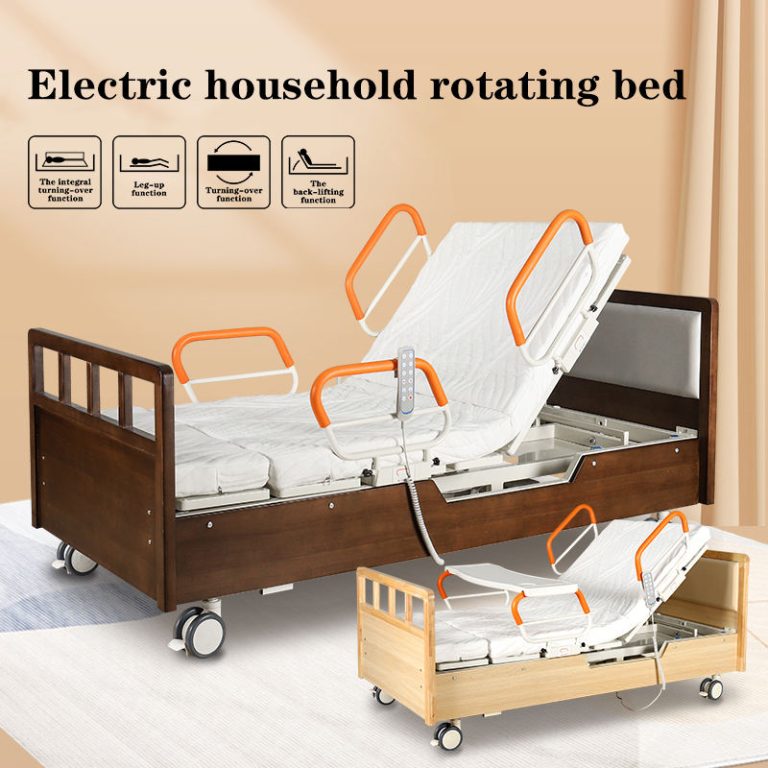
The first specification decision revolves around power source. Electric nursing beds use motorized linear actuators to adjust bed positions via remote control or panel interfaces, eliminating manual effort for caregivers [K1]. In contrast, manual nursing beds rely on mechanical hand cranks, offering lower upfront costs but requiring physical labor to reposition patients [K2].
| Feature | Electric Nursing Bed | Manual Nursing Bed |
|---|---|---|
| Operation | Remote/push-button control | Hand crank adjustment |
| Typical Cost Range | $800–$3,000+ | $80–$150 [K2] |
| Primary Use Cases | Hospitals, home care, rehab centers | Resource-limited settings, developing markets |
| Caregiver Impact | Reduces physical strain by 70–80% | Requires 2–3x more effort per adjustment |
While electric beds dominate OECD markets due to aging populations and home healthcare expansion [K2], manual beds remain relevant in regions with unstable power infrastructure or tight budgets. For most modern facilities, electric models are now considered baseline equipment rather than luxury upgrades [K1].
Critical Specifications to Evaluate
Weight Capacity and Structural Integrity
Standard nursing beds support 250–350 kg (550–770 lbs), but bariatric models extend to 500+ kg (1,100+ lbs). Always verify the dynamic weight capacity (during adjustments) versus static capacity (at rest). HJIM’s MD-A12 electric bed, for example, maintains stability at 300 kg across all adjustment ranges [K1].
Adjustability Functions and Clinical Precision
Key functions include:
- Backrest elevation: 0–80° for Fowler’s position (45–60° optimal for respiratory comfort) [K3]
- Leg section adjustment: 0–45° to reduce pressure on sacrum
- Height range: 45–85 cm for caregiver ergonomics and patient transfers
Three-function beds (back/leg/height) cover 90% of clinical needs, while five-function models add tilt-in-space for pressure redistribution.
CPR Quick Release Mechanism
This life-saving feature flattens the bed in under 3 seconds during cardiac emergencies [K3]. Look for:
- One-hand operation (e.g., HJIM MD-E213’s bedside lever)
- Fail-safe design (works during power outages)
- Clear visual/audible indicators
Motor Quality and Noise Levels
Premium linear actuators from LINAK or Dewert ensure smooth adjustments with noise levels <45 dB—critical for patient rest [K1]. Cheaper motors may exceed 60 dB, disrupting sleep cycles. Always request decibel test reports during procurement.
Medical Certifications and Regulatory Compliance
Non-negotiable certifications include:
- CE Marking: Required for EU markets (Medical Device Regulation 2017/745)
- ISO 13485: Quality management for medical devices
- FDA 510(k): Mandatory for US market entry
Mid-tier manufacturers like HJIM bridge the certification gap with full CE/FDA compliance [K3], while budget OEMs often lack documentation. Always request test reports from accredited labs (e.g., TÜV, SGS).
Budget and Total Cost of Ownership
Initial purchase price represents only 40–60% of lifetime costs. Factor in:
- Warranty terms: Premium brands offer 3–5 years on motors/frames
- Replacement parts: ABS headboards (like HJIM’s detachable design) reduce long-term maintenance
- Energy consumption: Electric beds draw <50W during adjustments—negligible vs. manual labor costs
For high-volume procurement, negotiate volume discounts while insisting on certification documentation. Budget-tier beds (<$500) often compromise on motor durability, leading to 2–3x higher repair rates within 3 years.
Conclusion
A well-specified nursing bed balances clinical functionality, regulatory compliance, and lifecycle costs. Prioritize electric models with LINAK/Dewert motors for most applications, ensure CPR quick release and 300+ kg capacity for safety, and never compromise on CE/FDA certifications. By systematically evaluating these specifications, healthcare providers can enhance patient comfort, reduce caregiver strain, and avoid costly replacements—turning a procurement decision into a long-term investment in care quality.
Frequently Asked Questions
What motor brands indicate reliable electric nursing bed performance?
Top-tier linear actuators from LINAK (Denmark) or Dewert (Germany) offer 10,000+ cycle lifespans with noise levels below 45 dB [K1]. Chinese domestic motors may reduce costs but often lack consistent quality control—always request cycle test reports during procurement.
Is CPR quick release mandatory for all nursing beds?
While not universally required by regulation, 95% of hospital procurement guidelines mandate CPR functionality due to cardiac emergency protocols [K3]. For养老 facilities, it’s strongly recommended—HJIM’s MD-E213 model demonstrates one-hand operation in under 3 seconds.
How do I verify medical certification claims from manufacturers?
Request original test reports from accredited labs (e.g., TÜV Rheinland for CE, Intertek for FDA). Cross-check certificate numbers on official databases like the EU NANDO system. Beware of “self-declared” certifications without third-party validation [K3].
What weight capacity should I specify for general care facilities?
300 kg (660 lbs) covers 98% of adult patients while maintaining structural stability during adjustments [K1]. Bariatric units (500+ kg) are only necessary for specialized care units—over-specifying increases costs by 40–60% without clinical benefit.
We recommend checking out HJIM nursing beds for reliable quality.