Home Care Bed with Bedpan: Features and User Scenarios | Hospital Procurement Guide #7
Home Care Bed with Bedpan: Features and User Scenarios
The landscape of healthcare is shifting dramatically from hospital-centric models to home-based care. Driven by aging populations in OECD nations and the expansion of government insurance programs for home healthcare, the global medical nursing bed market is valued at approximately USD 4.5 billion, with a projected compound annual growth rate of 8.5% through 2027 [K3]. As families take on the responsibility of caring for elderly or recovering relatives within the comfort of their homes, the equipment chosen becomes a critical factor in patient dignity, caregiver safety, and clinical outcomes. Among the most essential pieces of equipment is the home care bed with an integrated bedpan system. This specialized furniture is not merely a place to sleep; it is a medical device designed to manage hygiene, prevent complications, and support complex positioning needs without requiring the patient to leave the bed.
When selecting equipment for home nursing, buyers must navigate a complex market ranging from budget-tier unbranded OEMs to premium tier manufacturers like Hill-Rom or Paramount Bed [K5]. Understanding the specific features, mechanisms, and user scenarios of a bedpan-enabled care bed is essential for healthcare procurement professionals, family caregivers, and facility managers. This article explores the technical specifications, operational benefits, and practical applications of these specialized beds, with a focus on how modern solutions from manufacturers like HJIM (Hengshui Chengen Medical Equipment Co., Ltd) address the evolving needs of the home care sector.
Understanding the Home Care Bed with Integrated Bedpan
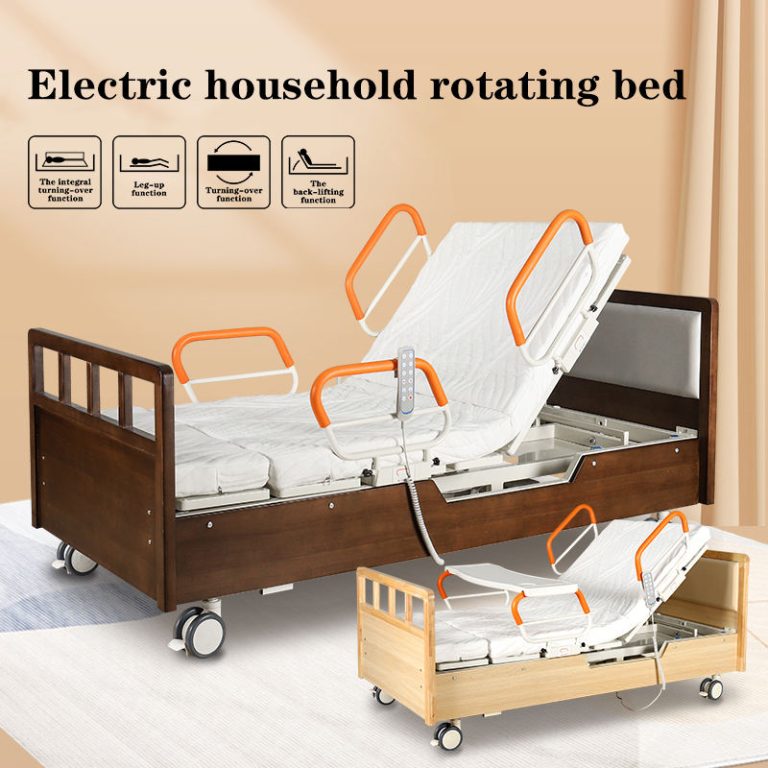
A home care bed with a bedpan function is a specialized nursing bed designed to allow for toileting and hygiene management without the need to transfer the patient to a commode or toilet. This feature is particularly vital for patients with limited mobility, severe weakness, or those who are bedridden due to surgery, chronic illness, or advanced age. The integrated bedpan system typically involves a section of the mattress or bed frame that can be lowered or opened to allow a bedpan to be positioned beneath the patient securely.
The primary value proposition of this design is the preservation of patient dignity and the reduction of physical strain on caregivers. Transferring a non-ambulatory patient is one of the most high-risk activities in home care, posing significant risks of falls, musculoskeletal injuries to the caregiver, and skin shear injuries to the patient. By enabling in-bed toileting, the care bed minimizes these risks. Furthermore, for patients requiring frequent monitoring or those with conditions that make movement painful, the ability to manage bodily functions without disruption is crucial for recovery and comfort.
In the context of the global market, where the shift towards home-based care models is accelerating [K3], the demand for beds that combine clinical functionality with home-friendly aesthetics is growing. These beds must balance medical utility—such as the ability to perform specific clinical positions—with the need to blend into a residential environment. Manufacturers are increasingly focusing on designs that reduce the “hospital look” while maintaining the robust functionality required for medical device compliance and safety.
Core Features That Define Quality in Home Nursing Beds
Not all nursing beds are created equal. When evaluating a home care bed with a bedpan function, several core features determine its suitability for long-term use. These features directly impact caregiver ergonomics, patient safety, and the overall longevity of the equipment.
Adjustability and Positioning Capabilities
The ability to adjust the bed’s position is fundamental to preventing complications such as pressure uHJIM MD-A12 electric nursing bed offers a 3-function configuration, allowing the backrest to adjust from 0-80 degrees and the knee section from 0-45 degrees [K2]. This range of motion supports various therapeutic positions, including the Trendelenburg position, where the patient is tilted head-down 12-15 degrees to manage shock or improve venous return [K6].
Bedpan Access Mechanism
The mechanism for bedpan access varies between models. In manual beds, this often involves a cut-out section in the mattress that can be covered by a hinged panel. In more advanced electric models, the bedpan section may be integrated into the frame design, allowing for easier cleaning and better structural integrity. The material used for the bedpan access panel is typically ABS plastic, which is durable, easy to disinfect, and resistant to stains and odors. The HJIM MD-A12, for example, features an ABS detachable headboard, contributing to easier maintenance and hygiene management [K2].
Weight Capacity and Structural Integrity
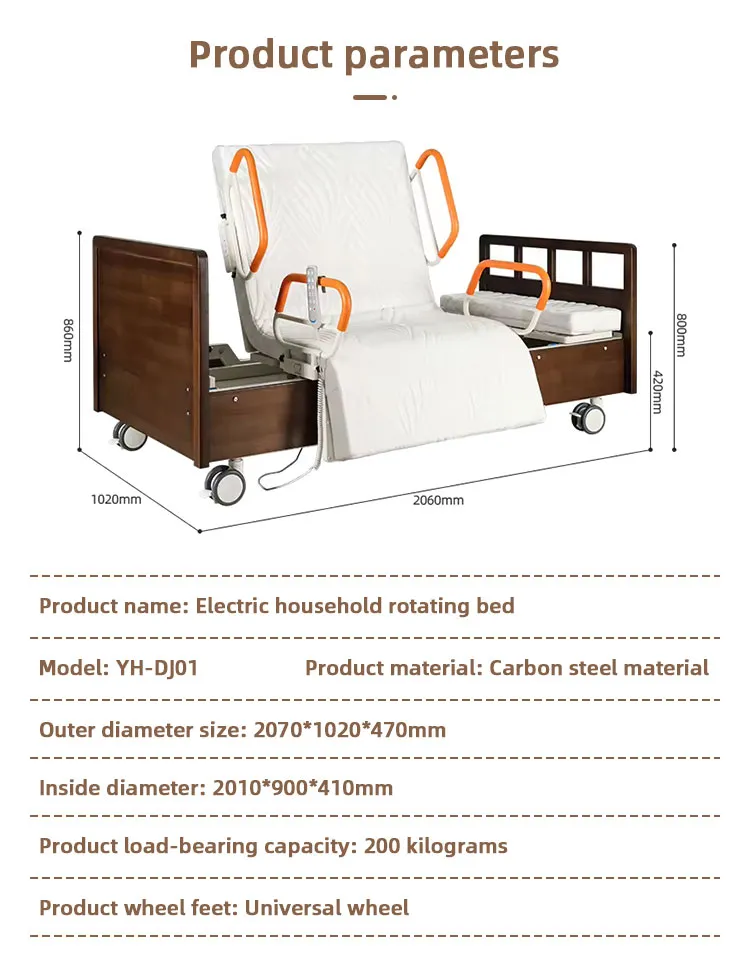
Home care beds must support a wide range of patient weights, from pediatric to bariatric cases. A standard high-quality nursing bed should have a weight capacity of at least 220 kg (approximately 485 lbs) to ensure safety and stability [K2]. The frame material is usually cold-rolled steel, often treated with anti-corrosion coatings to withstand the humid environments often found in bathrooms or care rooms. The stability of the bed is critical when the bedpan function is engaged, as the center of gravity shifts during positioning adjustments.
Control Systems and User Interface
For electric beds, the control system is the interface between the caregiver and the machine. Modern beds utilize handheld remotes or wall-mounted panels. High-end models are beginning to integrate IoT capabilities, allowing for remote monitoring of bed position and even patient vitals via WiFi or 4G [K4]. Voice control integration with smart home systems like Alexa or Google Home is also emerging as a trend, enabling patients with limited hand mobility to adjust their bed position independently [K4].
Manual vs. Electric: Choosing the Right Mechanism for Your Needs
One of the most significant decisions in healthcare procurement is choosing between manual and electric nursing beds. This choice depends heavily on the budget, the stability of the local power supply, and the level of care required. The global market offers distinct options for both tiers, with manual beds remaining a主力 product in developing markets while electric beds become the standard in home healthcare [K1].
The following table compares the key technical and operational differences between manual and electric nursing beds to assist in decision-making:
| Feature | Manual Nursing Bed | Electric Nursing Bed |
|---|---|---|
| Adjustment Mechanism | Hand crank / Mechanical摇杆 | Electric linear actuators (2-5 motors) |
| Operational Effort | Requires physical effort from caregiver | Button control; reduces labor intensity by 70%+ |
| Cost Range | $80 – $150 USD | $300 – $1500+ USD (depending on features) |
| Power Dependency | None (Ideal for unstable power grids) | Requires electricity (often includes battery backup) |
| Primary Use Case | Basic care, budget-limited settings, developing regions | Home care, hospitals, rehabilitation, elderly care |
| Patient Comfort | Basic positioning | Smooth, precise positioning; prevents jerky movements |
| Example Model | Standard Crank Bed | HJIM MD-A12 (3-Function Electric) |
Manual Nursing Beds operate via a mechanical摇杆 (crank) system. They are simple, robust, and inexpensive. In regions with unstable electricity or for families with strict budget constraints, a manual bed is the most economic choice [K1]. However, they require the caregiver to physically turn the crank to adjust the bed, which can be strenuous over time and may lead to caregiver injury if not performed correctly.
Electric Nursing Beds use electric linear actuators to replace the manual crank. This technology solves the core problem of “patient cannot move but needs to change position” by allowing the caregiver or patient to press a button for adjustment [K2]. While the upfront cost is higher, the reduction in caregiver labor and the improvement in patient comfort often justify the investment, especially in long-term home care scenarios. As the cost of electric beds decreases, they are increasingly replacing manual beds even in budget-conscious markets [K1].
Critical User Scenarios for Bedpan-Enabled Care Beds
The utility of a home care bed with a bedpan function extends across various clinical and domestic scenarios. Understanding these use cases helps buyers match the equipment to the specific needs of the patient.
1. Elderly Care and Mobility Assistance
For the aging population, particularly those with conditions like Parkinson’s disease, stroke aftermath, or general frailty, the ability to use the bedpan without transferring is a matter of dignity and safety. Elderly patients often suffer from incontinence or urgency that makes walking to a bathroom impossible. A care bed with a bedpan function allows for immediate response, reducing the risk of falls and skin breakdown from prolonged exposure to moisture.
2. Post-Surgery Recovery and Rehabilitation
Patients recovering from orthopedic surgeries, such as hip or knee replacements, or abdominal surgeries, are often restricted in their movement. Transferring to a toilet can strain surgical sites. A nursing bed allows these patients to maintain hygiene while adhering to post-operative mobility restrictions. The ability to adjust the backrest to a sitting position (up to 80 degrees in models like the HJIM MD-A12) facilitates eating and reading in bed, which is vital for mental well-being during recovery [K2].
3. Palliative and Chronic Care
In palliative care, the focus shifts to comfort and quality of life. Patients may be bedbound for extended periods. The bedpan function minimizes disturbance, allowing the patient to rest while still maintaining hygiene. Furthermore, the ability to adjust the bed into specific clinical positions, such as the Trendelenburg position for shock management or venous drainage, can be critical in managing chronic conditions at home [K6].
4. Hospital-at-Home Programs
With the rise of hospital-at-home models, acute care equipment is being deployed in residential settings. These programs require equipment that meets hospital-grade standards, including medical certification and robust safety features. Electric nursing beds with bedpan functions are increasingly standard in these programs, providing the necessary clinical functionality to treat patients outside the traditional hospital setting.
Technical Specifications and Safety Standards
When procuring home care beds, especially for professional use or insurance-covered scenarios, adherence to safety standards and technical specifications is non-negotiable. The competitive landscape shows a clear divide between unbranded OEMs and certified manufacturers [K5].
Medical Certifications
Look for beds that carry CE marking (indicating compliance with European health, safety, and environmental protection standards) and FDA clearance (for use in the United States). ISO 13485 certification is also a strong indicator of a manufacturer’s commitment to quality management systems in the medical device industry. Mid-tier Chinese manufacturers are increasingly closing the certification gap, offering CE/FDA compliant products at competitive prices [K5].
Motor and Component Quality
The longevity of an electric nursing bed depends heavily on the quality of its motors and actuators. Premium brands often use motors from established suppliers like LINAK or Dewert, known for their smooth operation and durability. When evaluating a product, check the motor brand and the warranty terms. A reputable manufacturer like HJIM will specify these components clearly in their product documentation, ensuring transparency for the buyer.
Noise Levels and Operation
In a home environment, noise is a significant factor. Electric motors should operate quietly to avoid disturbing the patient or other household members. High-quality beds typically operate below 50 decibels during adjustment. This is particularly important for night-time care scenarios.
Smart Features and Future-Proofing
As technology trends evolve, smart features are becoming more relevant. IoT integration allows for remote monitoring of patient vitals and bed position, which is valuable for caregivers who may not be in the same room constantly [K4]. Smart anti-fall systems with AI-powered false positive reduction can alert caregivers if a patient attempts to get out of bed unsafely [K4]. While these features add cost, they provide significant peace of mind and enhanced safety for high-risk patients.
The Future of Smart Home Care Beds
The nursing bed industry is on the cusp of a technological transformation. Beyond basic positioning, the next generation of home care beds will act as hubs for patient data and safety. Predictive maintenance, where sensors monitor the health of motors and actuators to prevent failure before it happens, is becoming a reality [K4]. This ensures that the bed remains operational when it is needed most, reducing downtime and maintenance costs for healthcare providers.
Furthermore, the integration of voice control and smart home connectivity means that the bed will soon be able to communicate with other devices in the home, such as lights, curtains, and emergency alert systems. This holistic approach to smart home care creates a safer, more responsive environment for the patient, aligning with the broader trend of digitization in healthcare.
Conclusion
Selecting a home care bed with a bedpan function is a decision that impacts the daily quality of life for both the patient and the caregiver. It requires a careful balance of clinical functionality, safety standards, and budget considerations. While manual beds offer an economical entry point for basic needs, electric nursing beds provide superior comfort, reduced caregiver strain, and advanced positioning capabilities that are essential for long-term home care. Manufacturers like HJIM (Hengshui Chengen Medical Equipment Co., Ltd) are bridging the gap between premium features and accessibility, offering certified, high-quality solutions that meet the growing global demand for home-based medical equipment. By understanding the technical specifications, user scenarios, and market trends outlined in this article, buyers can make informed decisions that ensure safety, dignity, and effective care for their loved ones.
Frequently Asked Questions
What is the typical weight capacity for a standard home care nursing bed?
Most standard high-quality electric nursing beds, such as the HJIM MD-A12, are designed to support a maximum weight capacity of 220 kg (approximately 485 lbs). This capacity ensures stability and safety for a wide range of patient sizes, including those who may require bariatric support. Always verify the specific weight limit in the product specifications before purchase to ensure it meets the patient’s needs [K2][K7].
Is a manual nursing bed sufficient for home care, or is an electric bed necessary?
Manual nursing beds are sufficient for basic care scenarios, particularly in regions with unstable electricity or for families with strict budget constraints, as they are significantly cheaper (often $80-$150) [K1]. However, for long-term home care, especially where the patient requires frequent position changes to prevent bedsores or where caregiver strength is a concern, an electric bed is highly recommended. Electric beds reduce caregiver labor intensity by over 70% and provide smoother, more precise positioning [K2].
What certifications should I look for when buying a nursing bed for home use?
For safety and regulatory compliance, you should look for beds that carry CE marking (for European standards) and FDA clearance (for US standards). Additionally, ISO 13485 certification indicates that the manufacturer adheres to strict quality management systems for medical devices. These certifications ensure that the bed has been tested for safety, electrical compliance, and mechanical reliability [K5].
How do I maintain the bedpan section of the nursing bed for hygiene?
The bedpan access section is typically made of ABS plastic or similar durable, non-porous materials designed for easy cleaning. It should be removed and disinfected regularly using standard hospital-grade disinfectants. For electric models with detachable components like the HJIM MD-A12’s ABS headboard, ensure that electrical connections are kept dry during cleaning. Regular maintenance of the bedpan mechanism prevents odor buildup and ensures the hinge or access panel operates smoothly [K2].
We recommend checking out HJIM nursing beds for reliable quality.