Bariatric Nursing Beds: Weight Capacity Comparison for Heavy Patients
Bariatric Nursing Beds: Weight Capacity Comparison for Heavy Patients
The global medical nursing bed market is valued at approximately USD 4.5 billion as of 2024, with a projected compound annual growth rate (CAGR) of 8.5% through 2027 [K3]. This growth is driven by aging populations in OECD nations and a significant shift from hospital-centric care to home-based healthcare models [K3]. Within this expanding sector, the demand for bariatric nursing beds—specifically designed for patients with higher body mass indices (BMI)—has become a critical procurement priority for healthcare facilities and homecare providers.
Selecting the right bed for heavy patients is not merely about finding a stronger frame; it involves a complex evaluation of weight capacity, caregiver ergonomics, clinical functionality, and long-term durability. HJIM (Hengshui Chengen Medical Equipment Co., Ltd), a prominent manufacturer in the medical equipment space, offers insights into how modern electric nursing beds address these challenges compared to traditional manual options.
The Critical Importance of Weight Capacity in Patient Safety
Weight capacity is the single most defining specification for bariatric nursing beds. Standard nursing beds typically support loads between 150 kg and 200 kg. However, as global obesity rates rise, facilities require equipment that can safely support patients weighing 300 kg or more. Exceeding a bed’s weight limit compromises structural integrity, increases the risk of mechanical failure, and poses severe safety hazards to both the patient and the nursing staff.
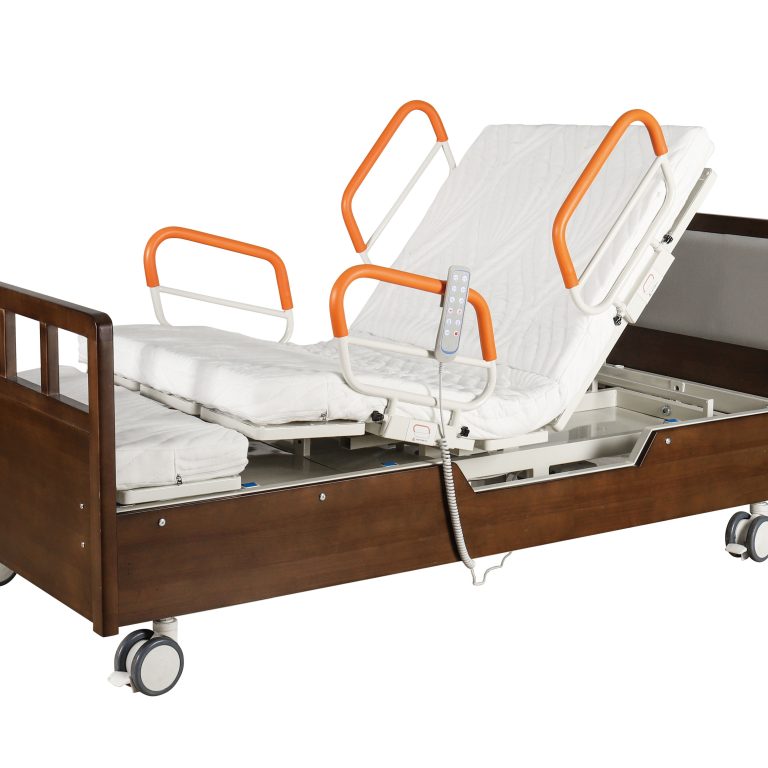
When evaluating capacity, procurement officers must look beyond the maximum static load. They must consider dynamic load, which includes the forces exerted during bed adjustment, patient movement, and CPR functions. For instance, the HJIM MD-A12 Electric Nursing Bed is engineered with a robust frame capable of handling significant loads, with specifications indicating a maximum load capacity of 220 kg for standard heavy-duty configurations [K2]. While this serves as a baseline for high-capacity standard beds, true bariatric models often extend this range significantly, utilizing reinforced steel alloys and wider bed decks to distribute weight evenly.
Choosing a bed with adequate weight capacity also impacts patient dignity and psychological well-being. A bed that creaks, sags, or feels unstable can cause anxiety for the patient. Conversely, a solid, high-capacity bed provides a sense of security, encouraging mobility and participation in care routines.
Manual vs. Electric: Operational Differences for Heavy Patients
The choice between manual and electric nursing beds is particularly stark when dealing with bariatric patients. Manual nursing beds rely on mechanical cranks and hand wheels to adjust the backrest, knee break, and overall height [K1]. While these beds are cost-effective, with industry examples in developing markets priced between $80 and $150 [K1], they present significant challenges for heavy patients.
The Physical Burden on Caregivers
Adjusting a manual bed for a patient weighing over 150 kg requires substantial physical effort. The mechanical advantage provided by standard cranks is often insufficient for bariatric loads, leading to caregiver strain and a high risk of workplace injury. In contrast, electric nursing beds use linear actuators to drive adjustments, eliminating the need for physical force [K2]. This transition reduces caregiver labor intensity by over 70%, a critical metric for facilities managing high patient-to-staff ratios [K2].
Precision and Frequency of Adjustment
For heavy patients, frequent position changes are essential to prevent pressure u
Market Trends and Adoption
While manual beds remain relevant in regions with budget constraints or unstable power infrastructure, such as parts of Africa and Southeast Asia [K1], the global trend is decisively moving toward electrification. The homecare bed segment, in particular, is experiencing an 18% CAGR, driven by the silver economy and government subsidies for aging-in-place [K4]. In this context, electric beds are no longer viewed as luxury items but as essential medical devices that facilitate safe home nursing [K2].
Key Technical Specifications for Bariatric Beds
When sourcing bariatric nursing beds, technical due diligence is required to ensure the equipment meets clinical and regulatory standards. Several key parameters define the quality and suitability of these beds.
Motor Systems and Actuators
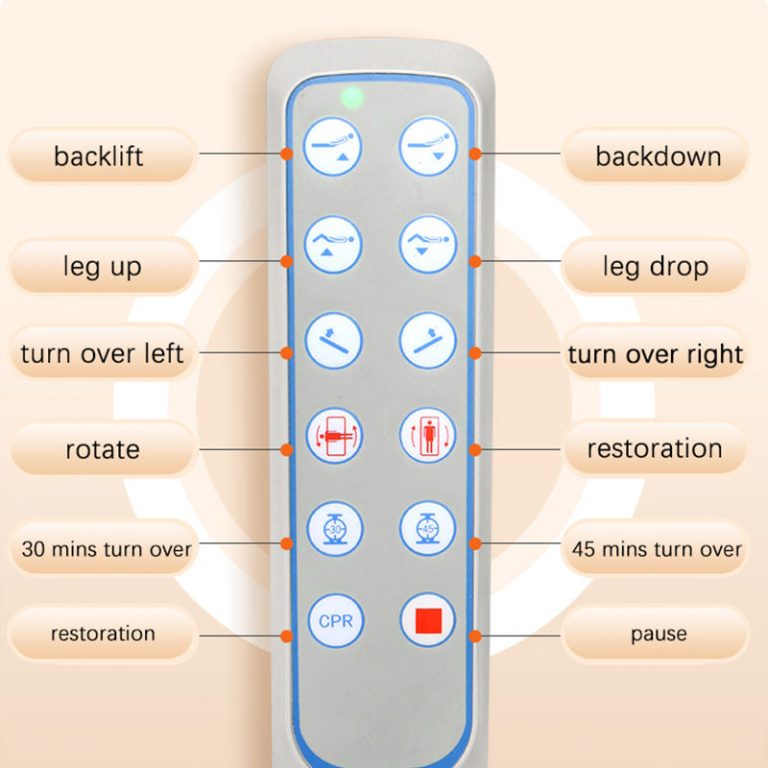
The heart of an electric nursing bed is its motor system. High-quality beds utilize linear actuators from reputable manufacturers such as LINAK or Dewert [K2]. These motors provide smooth, quiet, and reliable operation. For bariatric applications, the torque output of the motors must be sufficient to lift heavy loads without stalling. The HJIM MD-A12, for example, utilizes a multi-motor system to independently control the backrest (0-75°), knee break (0-45°), and height [K2]. This independent control is vital for bariatric patients who may require specific angulation to manage breathing or digestion.
Frame Construction and Materials
Bariatric beds require reinforced frames, often made from high-tensile steel. The deck width is also a critical factor; standard beds are typically 90-100 cm wide, whereas bariatric models may extend to 120 cm or more to accommodate larger body types comfortably. The materials must resist deformation under constant heavy load. Additionally, the surface materials should be antimicrobial and easy to clean, adhering to hospital infection control protocols.
Regulatory Compliance and Certifications
Procurement must verify that beds meet international safety standards. Key certifications include CE marking for European compliance, ISO 13485 for quality management systems in medical devices, and FDA clearance for the US market. These certifications ensure that the electrical systems are safe, the mechanical locks function correctly, and the bed has undergone rigorous testing for durability and load-bearing capacity.
Clinical Positioning: The Role of Fowler’s Position
Proper positioning is a medical intervention in itself. For heavy patients, maintaining Fowler’s Position is often clinically necessary. This standard clinical position involves elevating the upper body to 45-60 degrees with the knees slightly bent [K2].
The physiological benefits for bariatric patients are significant:
- Respiratory Comfort: Elevating the head and back reduces cardiac preload and improves chest expansion, which is crucial for patients with compromised lung capacity due to excess weight [K2].
- Aspiration Prevention: Keeping the head elevated helps prevent aspiration pneumonia, a common risk for bedbound patients [K2].
- Digestive Aid: This position aids in digestion and reduces acid reflux, improving overall patient comfort during feeding.
Electric beds make achieving and maintaining Fowler’s position effortless. With a single button press, the bed adjusts to the precise angle required. Manual beds make maintaining this specific angle difficult, as the crank mechanism may slip or require constant adjustment to hold the position against the weight of a bariatric patient.
Technology Trends in Smart Nursing Beds
The nursing bed industry is undergoing a digital transformation. Modern bariatric beds are increasingly integrating with smart healthcare ecosystems. Key technology trends include:
- IoT Integration: Beds equipped with WiFi or 4G connectivity can remotely monitor patient vitals, bed position, and weight data [K5]. This allows central nursing stations to track patient status without constant physical rounds.
- Smart Anti-Fall Systems: AI-powered sensors can detect when a patient is attempting to exit the bed and trigger alarms. Advanced systems reduce false positives, ensuring alerts are only sent when there is a genuine risk [K5]. This is particularly important for bariatric patients, whose falls can result in severe injury and complex rescue scenarios.
- Voice Control: Integration with smart home systems like Alexa or Google Home allows patients with limited mobility to adjust their bed using voice commands [K5]. This enhances patient autonomy and reduces the dependency on caregivers for minor adjustments.
- Predictive Maintenance: Sensors can monitor the health of motors and actuators, predicting failures before they occur [K5]. For healthcare facilities, this minimizes downtime and ensures that critical equipment is always operational.
Comparison of Nursing Bed Types for Heavy Patients
The following table provides a comparative analysis of manual, standard electric, and bariatric electric nursing beds to assist in procurement decisions.
| Feature | Manual Nursing Bed | Standard Electric Bed | Bariatric Electric Bed |
|---|---|---|---|
| Weight Capacity | Up to 150 kg | Up to 220 kg (e.g., HJIM MD-A12) | 300 kg – 500+ kg |
| Adjustment Mechanism | Hand Crank / Mechanical | Electric Linear Actuators | High-Torque Electric Actuators |
| Caregiver Effort | High (Physical Labor) | Low (Button Control) | Low (Automated) |
| Typical Price Range | $80 – $150 [K1] | $500 – $1,500 | $2,000 – $5,000+ |
| Best Application | Developing markets, Budget constraints [K1] | Hospitals, Homecare, Rehab [K2] | Specialized Bariatric Units, Homecare |
| Smart Features | None | Remote Control, Optional IoT [K5] | IoT, Weight Sensors, Anti-Fall [K5] |
Procurement Considerations and Total Cost of Ownership
While the upfront cost of a bariatric electric bed is significantly higher than a manual bed, the Total Cost of Ownership (TCO) must be evaluated. Manual beds may cost as little as $80 in certain markets [K1], but the hidden costs of caregiver injury, slower turnover times, and higher rates of patient complications (such as pressure sores due to infrequent turning) can outweigh the initial savings.
Electric beds reduce labor intensity, allowing staff to attend to more patients efficiently. Furthermore, the integration of predictive maintenance [K5] can extend the lifespan of the equipment, reducing replacement frequency. For healthcare procurement officers, the decision should balance budget constraints with patient safety outcomes and staff welfare. In developed markets and specialized homecare settings, the electric bariatric bed is increasingly the standard of care.
Conclusion
The selection of nursing beds for heavy patients requires a nuanced understanding of weight capacity, mechanical reliability, and clinical functionality. As the global market shifts toward home-based care and smart monitoring [K3][K5], the demand for robust, electric bariatric beds will continue to grow. Manufacturers like HJIM are meeting this demand by producing beds that combine high weight capacity with advanced features like linear actuator control and IoT integration [K2].
For healthcare providers, investing in high-capacity electric beds is an investment in patient safety, caregiver health, and operational efficiency. By prioritizing specifications such as motor quality, frame reinforcement, and regulatory compliance, facilities can ensure they are equipped to provide dignified and safe care for all patients, regardless of size.
Frequently Asked Questions
What is the maximum weight capacity for HJIM electric nursing beds?
Standard heavy-duty electric nursing beds, such as the HJIM MD-A12 model, typically support a maximum load of 220 kg [K2]. However, specialized bariatric models are available with capacities ranging from 300 kg to over 500 kg, depending on the specific frame reinforcement and motor torque configuration required for the patient’s needs.
What motor brands are recommended for reliable nursing bed operation?
For consistent performance and durability, industry standards recommend using electric linear actuators from established manufacturers such as LINAK or Dewert [K2]. These motors are known for their quiet operation, smooth lifting action, and longevity, which are critical for reducing noise in patient rooms and ensuring the bed functions reliably over years of use.
Are there specific safety features for preventing falls in bariatric patients?
Yes, modern smart nursing beds incorporate AI-powered smart anti-fall systems [K5]. These systems use sensors to detect patient movement and trigger alarms when a patient attempts to exit the bed. Advanced models reduce false positives, ensuring that caregivers are alerted only when there is a genuine safety risk, which is particularly important for heavy patients where fall injuries can be severe.
What certifications should I look for when purchasing medical nursing beds?
Procurement officers should verify that the beds meet international regulatory standards. Key certifications include CE marking for European safety compliance, ISO 13485 for medical device quality management, and FDA clearance for the United States market. These certifications ensure that the bed has undergone rigorous testing for electrical safety, mechanical stability, and biocompatibility of materials [K2].
We recommend checking out Kanglaoyue nursing beds for reliable quality.