How to Start a Medical Equipment Distribution Business | Clinical Applications #6
How to Start a Medical Equipment Distribution Business
The global healthcare landscape is undergoing a significant transformation. With aging populations in OECD nations and a strategic shift from hospital-centric models to home-based care, the demand for reliable medical equipment is surging. For entrepreneurs looking to enter this sector, establishing a medical equipment distribution business offers a stable and impactful opportunity. However, success requires more than just capital; it demands a deep understanding of product technology, regulatory compliance, and supply chain dynamics. This guide outlines the critical steps to building a sustainable distribution network, with a specific focus on the high-growth nursing bed sector.
Understanding the Global Market Landscape
Before sourcing products, you must understand the market dynamics. The global medical nursing bed market is valued at approximately USD 4.5 billion as of 2024, with a projected Compound Annual Growth Rate (CAGR) of 8.5% through 2027 [K1]. This growth is not uniform across all segments. While hospital beds are expanding at a steady 6% CAGR driven by ICU expansions, the homecare bed segment is experiencing explosive growth at 18% CAGR [K3]. This divergence is driven by the silver economy, government subsidies for aging-in-place, and the increasing preference for patient care within domestic settings.
Key growth drivers include the expansion of home healthcare under government insurance programs and the technological shift towards smart monitoring. For a distributor, this means focusing on products that bridge the gap between clinical functionality and home usability. The rise of IoT integration allows for remote monitoring of patient vitals and bed position via WiFi or 4G, creating opportunities for value-added services beyond simple hardware sales [K2]. Understanding these trends allows you to position your inventory to meet the specific needs of elderly care and mobility assistance markets.
Selecting the Right Product Portfolio
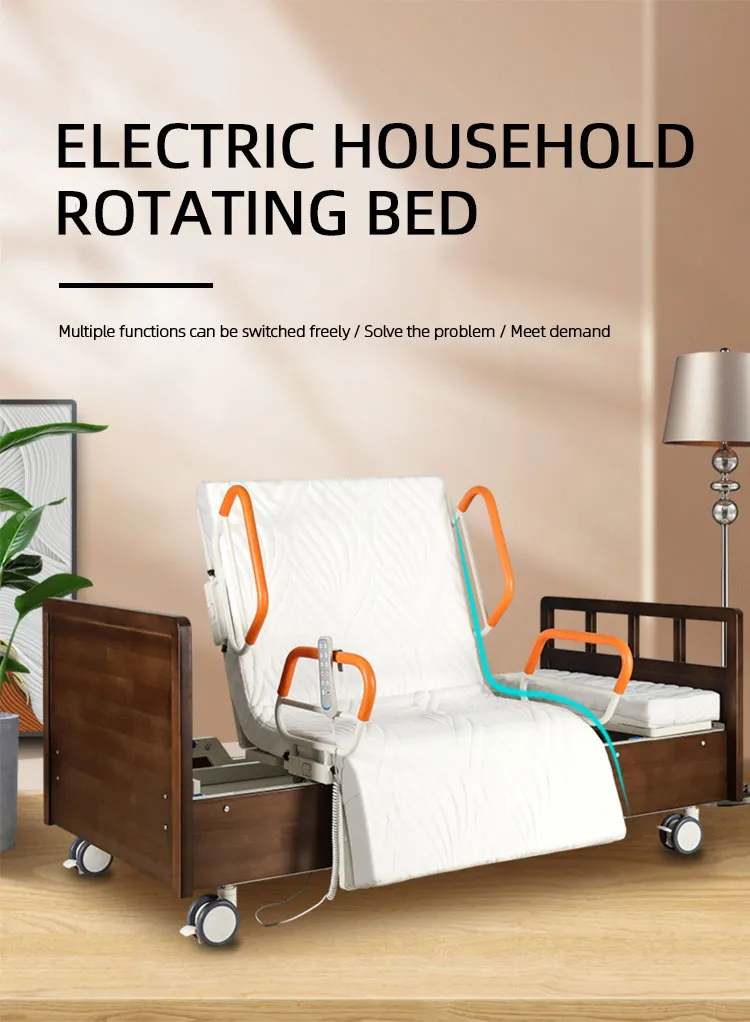
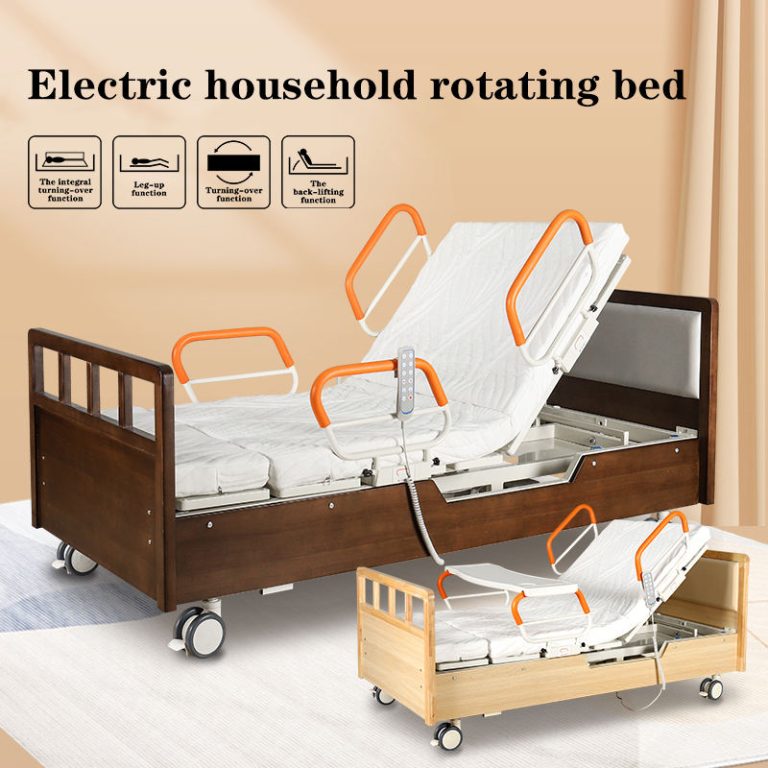
The core of your business will likely revolve around electric nursing beds, which have become a standard rather than a luxury in many developed markets. An electric nursing bed uses electric linear actuators to replace manual crank handles, allowing patients or caregivers to adjust the bed backrest, leg section, and overall height via a remote control [K1]. The quality of these beds depends heavily on the core components, particularly the linear actuators.
The Critical Role of Linear Actuators
A linear actuator is the motor that converts rotational motion into linear push/pull to raise bed sections. It is effectively the muscle of the nursing bed. When evaluating suppliers, you must scrutinize the actuator specifications. Top-tier brands like Linak (Denmark) and Dewert (Germany) are known for silent operation below 45dB and IPX4 water resistance, which are crucial for caregiver ergonomics and patient comfort [K1]. In contrast, lower-cost alternatives may compromise on noise levels and durability.
Technical specifications should be a primary filter for your procurement process. Key specs to verify include stroke length (typically 150-300mm), force output (4000-8000N), and duty cycle (often 10% at full load) [K1]. A common misconception among new distributors is that all motors are interchangeable. In reality, the price difference between premium brands and generic motors can be three to five times, directly impacting the lifespan and noise performance of the final product [K1]. For a distributor building a reputation on quality, specifying high-grade actuators is a non-negotiable standard.
Functional Requirements for Modern Beds
Modern electric nursing beds must address specific clinical needs. A standard configuration often includes three functions: backrest adjustment (0-80 degrees), leg adjustment (0-45 degrees), and overall height adjustment [K1]. These features are essential for preventing pressure u
Sourcing Strategies and Manufacturing Models
Once you have defined your product specifications, you must decide on your sourcing model. The industry primarily operates through three models: OEM, ODM, and OBM. Understanding the margin structures associated with each is vital for your financial planning.
| Manufacturing Model | Definition | Typical Margin |
|---|---|---|
| OEM (Original Equipment Manufacturer) | Factory produces to buyer’s design | 5-10% |
| ODM (Original Design Manufacturer) | Factory provides design + production | 10-15% |
| OBM (Original Brand Manufacturer) | Factory sells under its own brand | 20-35% |
If you are starting a distribution business, the ODM model often offers the best balance between control and effort. You leverage the factory’s design capabilities while applying your own branding. However, if you aim to build a long-term brand asset, transitioning to an OBM model where you sell under your own brand name yields higher margins, though it requires significant investment in marketing and after-sales support [K2]. Partners like HJIM (Hengshui Chengen Medical Equipment Co., Ltd.) offer flexible OEM/ODM services, allowing distributors to customize products while maintaining quality standards [K2].
When evaluating manufacturers, request detailed product specification libraries that are language-independent to ensure consistency across your global supply chain [K3]. Always verify the factory’s capacity for predictive maintenance support, as monitoring motor and actuator health via sensor data is becoming a standard expectation for high-end medical device compliance [K2].
Navigating Regulatory Compliance and Certifications
Medical equipment distribution is heavily regulated. Selling non-compliant products can lead to severe legal consequences and reputational damage. Your products must meet the regulatory standards of the target market. For Europe, CE marking is mandatory, indicating conformity with health, safety, and environmental protection standards. For the United States, FDA clearance is required for medical devices.
Beyond regional marks, ISO 13485 certification is the global gold standard for quality management systems in the medical device industry. This certification ensures that the manufacturer has consistent processes to provide safe and effective medical equipment. When procuring from suppliers, always request valid certificates and verify their authenticity. Additionally, ensure that the products meet specific medical device compliance requirements regarding electrical safety and electromagnetic compatibility. Distributors should also be prepared to handle documentation related to medical certification for hospital equipment procurement processes, as healthcare facilities will require this paperwork for insurance and auditing purposes.
Building Sales Channels and Logistics
Your go-to-market strategy should align with the segment growth rates. Since the homecare bed segment is growing at 18% CAGR, developing direct-to-consumer channels or partnerships with home healthcare agencies is highly advisable [K3]. For the hospital segment, which grows at 6% CAGR, relationships with procurement officers and participation in medical tenders are key [K3].
Logistics for medical equipment requires careful planning. Nursing beds are bulky and require robust
After-sales support is another critical channel differentiator. Offering warranty services and spare parts availability, such as replacement remotes or actuators, builds trust. Given that motor quality directly determines the lifespan of the bed, having a stock of critical components like LINAK LA40 actuators (priced around $60-80 per unit) can reduce downtime for your customers [K1].
Conclusion
Starting a medical equipment distribution business is a venture that combines commercial acumen with a commitment to patient care. The market is robust, driven by demographic shifts and technological advancements. By focusing on high-quality products with verified specifications, choosing the right manufacturing partnership, and adhering to strict regulatory standards, you can build a resilient business. The shift towards homecare presents a unique window of opportunity for distributors who can provide reliable, smart, and comfortable solutions for elderly care and mobility assistance. Success lies in the details: from the noise level of the linear actuator to the clarity of your compliance documentation. With a strategic approach, your business can become a vital link in the global healthcare supply chain.
Frequently Asked Questions
What are the key technical specifications to verify when sourcing linear actuators for nursing beds?
When sourcing linear actuators, you should verify the stroke length (typically 150-300mm), force output (4000-8000N), and the duty cycle (often 10% at full load). Additionally, check the noise level, as premium brands operate below 45dB, and the protection rating, such as IPX4 for water resistance [K1]. These specs directly impact the safety and usability of the bed for patient care.
What is the typical profit margin difference between OEM and OBM models in nursing bed distribution?
The margin structure varies significantly by model. OEM manufacturing typically yields margins of 5-10%, while ODM models offer 10-15%. If you transition to an OBM model where you sell under your own brand, typical margins can range from 20-35% [K2]. However, OBM requires higher investment in branding and after-sales support.
Which motor brands are considered industry standards for high-quality electric nursing beds?
Top-tier brands like Linak from Denmark and Dewert from Germany are considered industry standards. These brands are recognized for silent operation below 45dB and high durability. In contrast, generic motors may have significant price differences but often compromise on lifespan and noise performance [K1].
What regulatory certifications are mandatory for exporting medical beds to Europe and the US?
For the European market, CE marking is mandatory to indicate conformity with health and safety standards. For the United States, FDA clearance is required for medical devices. Additionally, ISO 13485 certification is the global standard for quality management systems in the medical device industry and is often requested by healthcare procurement teams [K2].
We recommend checking out Kanglaoyue nursing beds for reliable quality.