Emergency Nursing Bed Supply: Fast Shipping Options for Hospitals | Importer Selection Guide #2
Emergency Nursing Bed Supply: Fast
When a hospital faces a sudden surge in patient volume or needs to replace critical infrastructure rapidly, the supply chain for medical equipment becomes a matter of operational survival. Nursing beds are not merely furniture; they are the primary interface between caregivers and patients, directly influencing care quality, staff ergonomics, and patient safety. For healthcare procurement officers, the challenge lies in balancing immediate availability with long-term reliability and regulatory compliance. This article explores the landscape of emergency nursing bed supply, focusing on fast HJIM (Hengshui Chengen Medical Equipment Co., Ltd) to ensure hospitals remain equipped during crises.
The Critical Distinction: Electric vs. Manual Nursing Beds
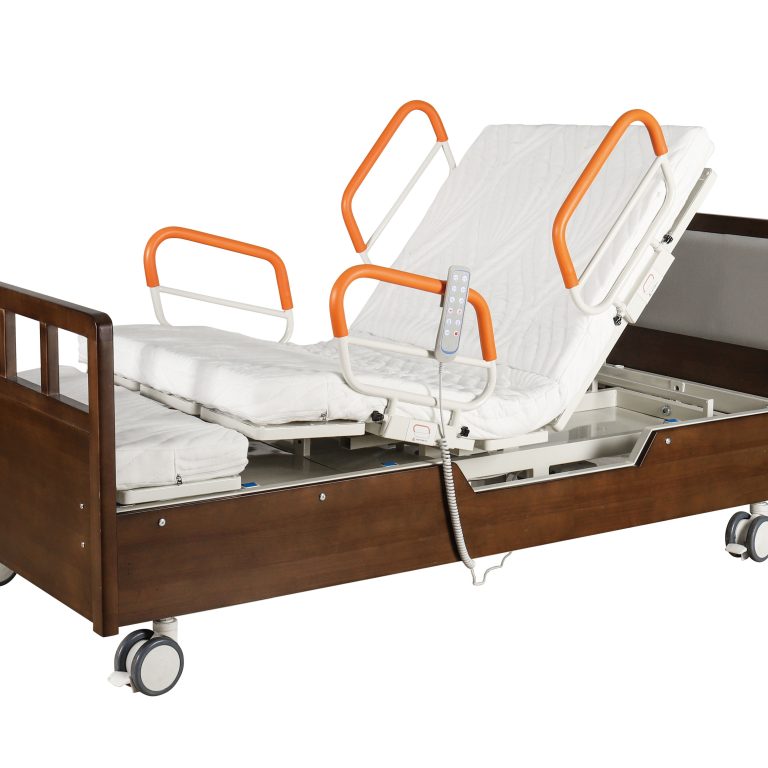
In the context of emergency supply, understanding the functional differences between bed types is paramount. The choice often depends on the clinical setting, budget constraints, and the specific care model being deployed. Electric nursing beds have become the standard for modern hospital wards and ICUs. As defined in industry specifications, an electric nursing bed uses electric linear actuators to replace manual crank handles, allowing bed surfaces to be adjusted via a remote control or panel [K1]. This technology solves the core problem of patient mobility; when a patient cannot move themselves, caregivers can adjust the bed position with the press of a button, significantly reducing physical strain on nursing staff and improving patient comfort [K1].
Conversely, manual nursing beds rely on mechanical crank handles for adjustment. While they lack the convenience of motorized functions, they remain a vital component of global healthcare infrastructure, particularly in regions with unstable power grids or severe budget constraints [K2]. In developing markets across Africa and Southeast Asia, manual beds are often the primary choice due to their lower cost, typically ranging from $80 to $150, and their independence from electrical infrastructure [K2]. However, for emergency response in developed healthcare systems, the shift is decisively toward electric models. The ability to quickly adjust Trendelenburg positions or elevate legs for circulation management is critical in acute care scenarios, making electric beds the preferred option for rapid deployment in well-resourced hospitals.
Essential Safety Features for Emergency Readiness
When sourcing beds for emergency use, specific safety mechanisms must be non-negotiable. The most critical feature in any acute care setting is the CPR Quick Release function. In the event of cardiac arrest, time is the single most valuable resource. A CPR quick release mechanism allows the bed to be flattened from any position in under 3 seconds, providing the hard, flat surface necessary for effective chest compressions [K1]. Without this feature, caregivers might struggle to lower the bed manually during a code blue situation, potentially delaying life-saving interventions. Models like the HJIM MD-E213 exemplify this standard, featuring a bedside CPR release lever that enables one-hand operation, ensuring that emergency protocols are not hindered by equipment limitations [K1].
Another often-overlooked but vital component is the bed panel material. High-quality emergency beds utilize ABS (Acrylonitrile Butadiene Styrene) headboards and footboards [K2]. ABS is a high-density plastic that is impact-resistant, acid-resistant, and easy to clean, making it ideal for sterile environments. Crucially, ABS panels often feature quick-release latches compatible with CPR functions. Compared to steel or wood, ABS is lighter, which facilitates faster transport and setup during emergency deployment, while remaining durable enough to withstand the rigors of daily hospital use [K2]. When evaluating fast
Global Market Dynamics and Supply Chain Resilience
The global medical nursing bed market is valued at approximately USD 4.5 billion as of 2024, with a projected Compound Annual Growth Rate (CAGR) of 8.5% through 2027 [K2]. This growth is driven by aging populations in OECD nations and a significant shift from hospital-centric care to home-based models [K2]. For hospitals, this market expansion means that supply chains are generally robust, but localized disruptions can still cause bottlenecks. The market is segmented into hospital beds (electric), homecare beds, and manual beds for developing regions [K3].
Understanding these segments helps in sourcing the right inventory. The hospital bed segment is growing at a 6% CAGR, driven by ICU expansion and smart monitoring integration [K3]. Meanwhile, the homecare segment is exploding at an 18% CAGR due to the “silver economy” and government subsidies for aging-in-place [K3]. For a hospital facing an emergency, the priority is usually the hospital-grade electric segment. Fast HJIM, for instance, leverages its position in the manufacturing hub to offer OEM capabilities and rapid fulfillment, ensuring that hospitals can access certified equipment without the
Technical Specifications and Procurement Standards
When evaluating emergency supply options, technical parameters must be scrutinized to ensure long-term viability. One of the most observable indicators of bed quality is the motor brand. Premium electric nursing beds often utilize motors from established manufacturers like LINAK or Dewert, known for their reliability and low noise levels [K1]. In a hospital environment, noise reduction is not just about comfort; it is about patient recovery and staff concentration.国产 (domestic) motors are also common and cost-effective, but for emergency critical care, the proven track record of international motor brands often justifies the investment.
Furthermore, medical certification is a hard requirement for any procurement decision. Beds must comply with standards such as CE, ISO 13485, and FDA regulations depending on the target market. These certifications ensure that the electrical systems are safe, the materials are biocompatible, and the structural integrity can support the specified weight capacity. For bariatric patients or general ward use, verifying the maximum load rating is essential to prevent equipment failure. Additionally, the warranty period serves as a proxy for manufacturer confidence; a robust warranty indicates that the supplier stands behind the durability of the linear actuators and control systems.
Comparison: Electric vs. Manual Nursing Beds for Hospital Use
To assist procurement teams in making rapid decisions, the following table outlines the key differences between electric and manual nursing beds based on industry data and product specifications.
| Feature | Electric Nursing Bed | Manual Nursing Bed |
|---|---|---|
| Adjustment Mechanism | Electric linear actuators (Remote/Panel) | Mechanical crank handles |
| Primary Use Case | Hospital wards, ICU, Homecare | 基层 hospitals, Developing regions |
| Cost Range | Higher (Premium features) | $80 – $150 (Budget-friendly) |
| Caregiver Effort | Low (Button operation) | High (Physical cranking) |
| Power Dependency | Requires electricity (Battery backup common) | None required |
| Market Growth (CAGR) | 6% (Hospital segment) | 3% (Developing market segment) |
| Key Safety Feature | CPR Quick Release (Standard) | Manual Release (Variable) |
Strategic Sourcing for Rapid Deployment
For hospitals requiring fast OEM manufacturing capabilities allow suppliers to customize beds for specific hospital needs without sacrificing speed. This includes branding, specific color schemes for ward differentiation, or specialized mattress interfaces. When a supplier like HJIM offers these services, it implies a flexible production line that can pivot to emergency orders. Procurement officers should inquire about and logistics partners. A supplier with established
Additionally, considering the lifecycle cost is vital. While manual beds are cheaper upfront, the labor cost associated with adjusting them manually over years of use can exceed the price difference. In emergency scenarios where staff are already stretched thin, the ergonomics provided by electric beds become a force multiplier for the nursing team. Therefore, “fast
Conclusion
Securing emergency nursing bed supply requires a nuanced understanding of both the clinical needs and the global manufacturing landscape. Hospitals must prioritize equipment that offers immediate safety features like CPR quick release and durable materials like ABS headboards, while also considering the long-term ergonomic benefits of electric actuation. With the global market growing and shifting towards homecare and smart monitoring, suppliers who can offer certified, high-specification beds with rapid logistics are invaluable partners. By focusing on technical specifications such as motor quality, weight capacity, and regulatory compliance, healthcare administrators can ensure that their facilities remain resilient and ready to provide the highest standard of patient care, regardless of the circumstances.
Frequently Asked Questions
What is the standard response time for a CPR Quick Release mechanism?
According to industry safety standards, a functional CPR Quick Release mechanism must allow the bed to be flattened from any position in under 3 seconds. This ensures that caregivers can immediately access the patient for chest compressions during a cardiac arrest event without fumbling with complex controls or manual cranks.
Why is ABS material preferred for hospital bed headboards over steel or wood?
ABS (Acrylonitrile Butadiene Styrene) is preferred because it is lightweight, impact-resistant, and chemically resistant to hospital disinfectants. Unlike wood, it does not absorb moisture or harbor bacteria, and unlike steel, it does not conduct cold or heat, providing a more comfortable patient environment while maintaining structural durability.
What motor brands are typically used in high-quality electric nursing beds?
Premium electric nursing beds often utilize linear actuators from established manufacturers such as LINAK or Dewert. These brands are recognized for their reliability, smooth operation, and low noise levels, which are critical factors in maintaining a restful environment for patient recovery in hospital wards.
How does the market growth for homecare beds compare to hospital beds?
The homecare bed segment is experiencing significantly faster growth, with a projected CAGR of 18%, compared to the 6% CAGR for the hospital bed segment. This trend is driven by the aging population, government subsidies for aging-in-place, and the expansion of home healthcare services under insurance programs.
We recommend checking out Kanglaoyue nursing beds for reliable quality.