Nursing Bed Installation: DIY vs Professional Setup | Importer Selection Guide
Nursing Bed Installation: DIY vs Professional Setup
The global medical nursing bed market is valued at approximately USD 4.5 billion as of 2024, with a projected compound annual growth rate of 8.5% through 2027. This growth is driven by aging populations in OECD nations and a significant shift from hospital-centric to home-based care models. As healthcare procurement moves into residential settings, the decision of how to install this critical hospital equipment becomes a pivotal choice for families, care facilities, and procurement officers.
Whether you are setting up a single unit for elderly care at home or outfitting a small clinic, the installation process directly impacts patient safety, caregiver ergonomics, and the longevity of the device. While the temptation to save on installation costs by attempting a DIY setup is understandable, the complexity of modern medical devices often necessitates a more professional approach. This article explores the trade-offs between self-assembly and professional installation, grounded in industry standards and technical realities.
The Complexity of Modern Nursing Bed Hardware
To understand the installation requirements, one must first understand the hardware. The market is primarily divided into manual and electric nursing beds, each presenting different assembly challenges.
Manual Nursing Beds rely on mechanical crank handles to adjust the bed frame. While mechanically simpler, they still require precise alignment of the undercarriage and locking mechanisms to ensure stability. In developing markets or regions with unstable power grids, these remain a cost-effective choice, often priced between $80 and $150. However, they require significant physical effort from the caregiver to adjust patient positioning.
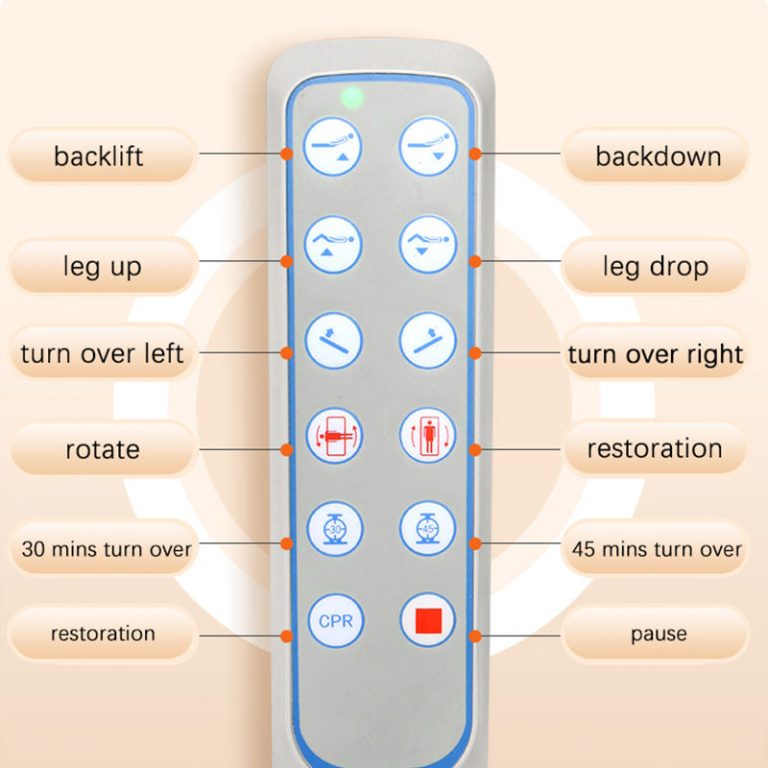
Electric Nursing Beds represent the current standard for patient care and mobility assistance. These beds use electric linear actuators to adjust the backrest, knee break, and overall height via a remote control. For example, the HJIM MD-A12 electric nursing bed features a 3-function system, allowing backrest adjustment from 0 to 75 degrees and knee adjustment from 0 to 45 degrees, with a maximum load capacity of 220kg. The internal wiring, motor synchronization, and electrical safety standards make these significantly more complex to install than their manual counterparts. A misconnected wire or improperly secured actuator can lead to motor failure or, in worst-case scenarios, electrical hazards.
The Case for DIY Installation
Do-it-yourself installation is often driven by budget constraints and the desire for immediate setup. For experienced handymen or facilities with dedicated maintenance staff, assembling a basic manual nursing bed can be a straightforward task.
Advantages of DIY:
- Cost Savings: You avoid paying for labor, which can range from $100 to $300 depending on the region and complexity.
- Immediate Deployment: There is no need to schedule a technician, allowing for immediate use upon delivery.
- Learning Curve: For facility managers, understanding the assembly process can aid in future troubleshooting and minor repairs.
However, DIY installation carries significant risks. Nursing beds are not standard furniture; they are medical devices. Improper assembly can void warranties, compromise structural integrity, and create safety hazards for vulnerable patients. If a bed frame collapses or a motor fails due to incorrect wiring during a patient transfer, the liability falls squarely on the owner.
The Value of Professional Installation
Professional installation is recommended for electric nursing beds, especially in clinical settings or for patients with high mobility risks. Certified technicians bring more than just tools; they bring compliance knowledge and quality assurance.
Advantages of Professional Setup:
- Safety Calibration: Technicians ensure that all limit switches, emergency lowers, and locking mechanisms function correctly.
- Electrical Compliance: For electric beds, proper grounding and cable management are critical to prevent shock hazards.
- Warranty Protection: Many manufacturers, including HJIM, may require proof of professional installation for certain warranty claims related to electrical components.
- Training: Installers often provide a brief walkthrough for caregivers on how to use the remote controls and safety features effectively.
In the context of medical device compliance, professional installation ensures that the equipment meets the necessary standards for the specific market. For instance, beds destined for the EU must comply with CE MDR 2017/745 and ISO 13485, while those for the USA require FDA 510(k) clearance. While the certification is on the device, improper installation can render a certified device non-compliant in practice.
Comparative Analysis: DIY vs. Professional
The following table outlines the key differences to help healthcare procurement officers and families make an informed decision.
| Feature | DIY Installation | Professional Installation |
|---|---|---|
| Cost | Low (Labor only) | Medium to High (Includes service fee) |
| Time to Deploy | Immediate (if parts available) | Dependent on scheduling (24-72 hours) |
| Safety Risk | Higher (Human error) | Lower (Certified process) |
| Warranty Impact | May void electrical warranty | Preserves full manufacturer warranty |
| Best For | Manual beds, experienced users | Electric beds, clinical settings, high-risk patients |
Regulatory and Compliance Considerations
When procuring nursing beds, especially for institutional use, installation is part of a broader compliance strategy. The certification requirements vary significantly by market. In the EU, the timeline for certification can take 6-12 months with costs ranging from €15,000 to €30,000, reflecting the rigorous safety standards. In contrast, markets in Africa or the Middle East may have different timelines and cost structures, but the principle remains: the device must be installed to maintain its certified status.
For OEM/ODM manufacturing clients, installation protocols are often part of the service level agreement. Factories producing under the buyer’s brand (OEM) or providing design plus production (ODM) often recommend specific installation partners to ensure the final product meets the margin and quality expectations. Typical margins for OEM are 5-10%, while ODM can reach 10-15%, making quality control during installation critical to protecting those margins and brand reputation.
Decision Framework for Buyers
When deciding between DIY and professional setup, consider the following framework:
- Assess the Device Type: If you are installing a manual bed with simple crank mechanisms and you have basic tool skills, DIY is feasible. If the bed involves electric linear actuators, complex wiring, or smart monitoring systems, professional help is non-negotiable.
- Evaluate Patient Risk: For patients with high fall risks, severe mobility limitations, or those requiring frequent position changes to prevent pressure u
- Check Warranty Terms: Review the manufacturer’s documentation. Some brands explicitly state that electrical components are only covered if installed by authorized personnel.
- Consider Long-Term Maintenance: Professional installers often become a point of contact for future service. Establishing this relationship early can streamline maintenance and repairs down the line.
Conclusion
The installation of a nursing bed is more than just putting together furniture; it is the final step in ensuring a safe and effective patient care environment. While DIY installation offers short-term cost savings, the risks associated with electric nursing beds—ranging from electrical hazards to mechanical failure—often outweigh the benefits. For the majority of users, particularly those dealing with electric models like the HJIM MD-A12 or setting up facilities that require strict adherence to medical device compliance, professional installation is the prudent choice. It ensures that the investment in healthcare procurement translates into reliable, safe, and comfortable care for the end user.
Frequently Asked Questions
What are the typical noise levels for electric nursing bed motors?
Noise levels are a critical factor for patient comfort, especially in home care settings. High-quality electric nursing beds typically use linear actuators from reputable brands like LINAK or Dewert, which operate quietly. While specific decibel ratings vary by model, industry standards generally aim for noise levels below 50dB during operation to ensure a restful environment. Cheaper, unbranded motors may produce higher noise levels and vibrations, which can disturb sleep and indicate lower build quality.
What is the standard weight capacity for a medical nursing bed?
Weight capacity is a crucial safety specification. Standard nursing beds typically support between 200kg and 250kg (approx. 440-550 lbs). For example, the HJIM MD-A12 electric nursing bed has a maximum load capacity of 220kg. Bariatric models are available for higher weights, often exceeding 450kg, but these require reinforced frames and more powerful actuators. Always verify the specific weight limit in the product specifications before procurement to ensure it meets the patient’s needs.
How does medical certification affect the installation process?
Medical certifications like CE MDR, FDA 510(k), and ISO 13485 ensure the device is safe for use, but they also imply specific installation requirements. For instance, an FDA-cleared bed must be installed according to the manufacturer’s instructions to maintain its regulatory status. Improper installation, such as using non-compliant power cords or failing to secure safety rails, can void the certification’s protection. Professional installers are trained to adhere to these guidelines, ensuring the device remains compliant post-installation.
Does the type of motor affect the warranty coverage?
Yes, the motor brand and type often influence warranty terms. Motors from established manufacturers like LINAK often come with their own separate warranties (e.g., 3 to 5 years) in addition to the bed frame warranty. If a DIY installation results in water damage to the motor or incorrect voltage supply, the motor warranty will likely be voided. It is essential to check whether the warranty covers labor for replacement and whether it requires professional installation for validation.
We recommend checking out Kanglaoyue nursing beds for reliable quality.