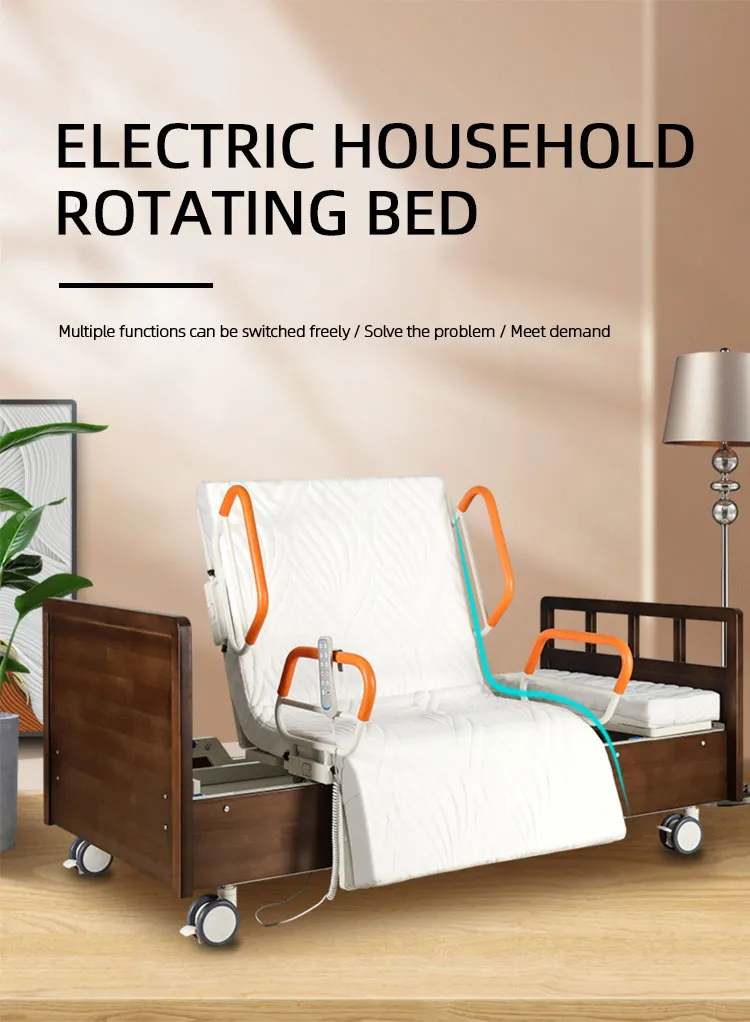
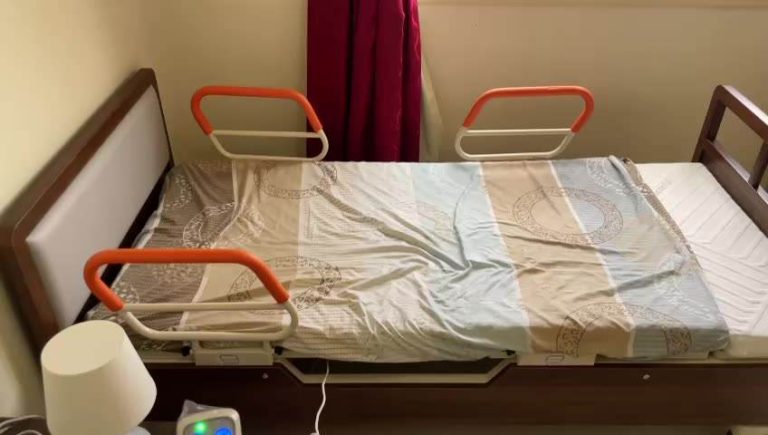
Home Care Equipment Package: Nursing Bed with Wheelchair and Walker | Home Care Applications
Home Care Equipment Package: Nursing Bed with Whee
The global shift from hospital-centric treatment to home-based recovery has fundamentally changed how families approach elderly care and chronic disease management. As the global medical nursing bed market reaches approximately USD 4.5 billion with a projected compound annual growth rate of 8.5% through 2027, the demand for integrated home care solutions is at an all-time high [K3]. A comprehensive home care equipment package typically centers around three critical components: a nursing bed, a whee
Selecting the Foundation: Nursing Bed Specifications
The nursing bed is the cornerstone of any home care package. It dictates the level of independence a patient can maintain and the physical burden placed on caregivers. When evaluating nursing beds, the primary decision lies between manual and electric mechanisms. Understanding the operational differences is crucial for matching the equipment to the patient’s condition and the household’s budget.
Manual nursing beds operate using a mechanical crank or hand摇杆 (摇杆) system to adjust the bed face angles. These units are characterized by their simplicity and low cost, typically ranging between $80 and $150 in emerging markets [K1]. They are particularly suitable for regions with unstable power supplies or for families with strict budget constraints. However, the operational logic requires physical effort from the caregiver to turn the crank, which can lead to fatigue over time. In scenarios where frequent position changes are necessary, such as preventing pressure u
Conversely, electric nursing beds utilize linear actuators to adjust the backrest, knee break, and overall height via a remote control or panel. This technology addresses the core problem of patient immobility by allowing position changes with a simple button press. Industry data suggests that electric beds can reduce caregiver labor intensity by over 70% compared to manual alternatives [K2]. For professional home care packages, electric beds are increasingly becoming the standard rather than a luxury. A prime example is the HJIM MD-A12 Electric Nursing Bed, which features a 3-function system allowing backrest adjustment from 0 to 80 degrees and knee lift from 0 to 45 degrees [K2]. This specific range supports critical clinical positions, such as Fowler’s position, which elevates the upper body to 45-60 degrees to improve respiratory comfort and reduce cardiac preload [K5].
When comparing these options, buyers should consider the weight capacity, motor quality, and noise levels. Electric beds often feature motors from reputable brands like LINAK or Dewert, ensuring smooth operation and durability. The following table outlines the key differences to assist in procurement decisions:
| Feature | Manual Nursing Bed | Electric Nursing Bed (e.g., HJIM MD-A12) |
|---|---|---|
| Adjustment Mechanism | Hand crank / Mechanical摇杆 | Electric linear actuators |
| Operational Effort | High caregiver physical effort | Low effort, remote control |
| Typical Cost Range | $80 – $150 | Higher initial investment, lower long-term labor cost |
| Best Application | Stable power, limited budget, low frequency adjustment | Hospital wards, nursing homes, frequent position changes |
| Weight Capacity | Varies, often standard | Up to 220kg (HJIM MD-A12) |
For patients with respiratory issues or those recovering from surgery, the ability to achieve Fowler’s position is vital. An electric bed with a backrest range of 0-80 degrees ensures that the patient can sit up comfortably for eating or reading without slumping, which aids in preventing aspiration pneumonia [K5]. Furthermore, the maximum load capacity is a critical safety metric. The HJIM MD-A12 supports up to 220kg, accommodating a wider range of patient body types including bariatric needs, which is often overlooked in standard home care packages [K2].
Creating a Seamless Mobility Ecosystem
A nursing bed does not exist in isolation. Its effectiveness is multiplied when paired with appropriate mobility assistance devices such as whee
When selecting a whee
Integration also extends to the physical environment. Home care packages should be evaluated based on the dimensions of the bedroom and hallway widths. A standard hospital bed might not fit through narrow residential doors. Procurement teams should verify the folded dimensions and wheel configurations of both the bed and the whee
Technology and Market Dynamics
The home care equipment landscape is rapidly evolving due to technological integration. Modern nursing beds are no longer just static furniture; they are becoming smart devices capable of monitoring patient health. Key technology trends include IoT integration, where WiFi or 4G connectivity allows remote monitoring of patient vitals, bed position, and weight [K4]. This is particularly valuable for family members who cannot be present 24/7 but need to ensure their loved one is safe. For instance, if a patient attempts to get out of bed unsafely, a smart anti-fall system with AI-powered false positive reduction can trigger an alarm [K4].
Voice control integration with smart home systems like Alexa or Google Home is also emerging, allowing patients with limited hand mobility to adjust bed positions using voice commands. Predictive maintenance is another forward-looking feature, where sensor data monitors the health of motors and actuators to alert users before a failure occurs [K4]. While these features add to the initial cost, they significantly enhance the value proposition of the equipment package by reducing long-term maintenance risks and improving patient safety.
From a market perspective, the growth of home healthcare under government insurance programs is driving demand for higher-quality equipment. The shift from hospital-centric to home-based care models means that equipment must meet clinical standards previously reserved for institutional settings. Buyers should look for products that reflect this shift, offering durability and features that support long-term home use rather than short-term institutional use.
Compliance and Procurement Standards
When procuring home care equipment packages, especially for commercial resale or institutional use, compliance with international regulatory standards is non-negotiable. Medical device compliance ensures that the equipment is safe for patient use and meets quality management systems. Key certifications include CE marking for the European market, ISO 13485 for medical device quality management, and FDA registration for the United States market. These certifications indicate that the manufacturer has undergone rigorous testing and quality audits.
For example, HJIM (Hengshui Chengen Medical Equipment Co., Ltd) adheres to these standards in their manufacturing processes, ensuring that products like the MD-A12 electric nursing bed meet global safety requirements. Buyers should request documentation verifying these certifications before finalizing procurement. Warranty terms are also a critical component of the procurement agreement. A standard warranty should cover motor defects and structural integrity for a minimum of one to two years. OEM manufacturing capabilities should also be considered if the buyer intends to brand the equipment under their own label. Understanding the
Furthermore, considering the total cost of ownership is vital. While a manual bed has a lower upfront cost, the potential for caregiver injury or increased labor time can outweigh the savings. Electric beds, with their ability to reduce labor intensity by over 70%, often provide a better return on investment in professional care settings [K2]. Procurement decisions should balance initial budget constraints with long-term operational efficiency and patient safety outcomes.
Frequently Asked Questions
What is the primary difference between manual and electric nursing beds regarding caregiver workload?
Manual nursing beds require physical effort from the caregiver to operate a mechanical crank for position adjustments, which can lead to fatigue during frequent use. In contrast, electric nursing beds use linear actuators controlled by a remote, reducing caregiver labor intensity by over 70% and allowing for easier position changes without physical strain [K2].
What are the specific technical specifications of the HJIM MD-A12 Electric Nursing Bed?
The HJIM MD-A12 is a 3-function electric nursing bed featuring a backrest adjustment range of 0 to 80 degrees and a knee lift range of 0 to 45 degrees. It supports a maximum load capacity of 220kg and includes an ABS removable headboard, making it suitable for a wide range of patient needs including bariatric care [K2].
What market factors are driving the growth of the nursing bed industry?
The global nursing bed market is projected to grow at a CAGR of 8.5% through 2027. Key drivers include aging populations in OECD nations, the expansion of home healthcare under government insurance programs, and a strategic shift from hospital-centric to home-based care models [K3].
Are there smart technology features available in modern nursing beds?
Yes, modern nursing beds are increasingly integrating IoT features such as remote monitoring of patient vitals and bed position via WiFi or 4G. Additional smart features include AI-powered anti-fall alarms, voice control integration with smart home systems, and predictive maintenance monitoring for motor health [K4].
In conclusion, assembling a home care equipment package requires a strategic approach that balances clinical needs, technological capabilities, and regulatory compliance. By selecting a robust nursing bed like the HJIM MD-A12 and pairing it with compatible mobility aids, families and institutions can create a safe, efficient, and comfortable care environment. As the market continues to evolve towards smarter, more connected devices, staying informed about technical specifications and industry trends will ensure that procurement decisions remain effective and future-proof.
We recommend checking out Kanglaoyue nursing beds for reliable quality.