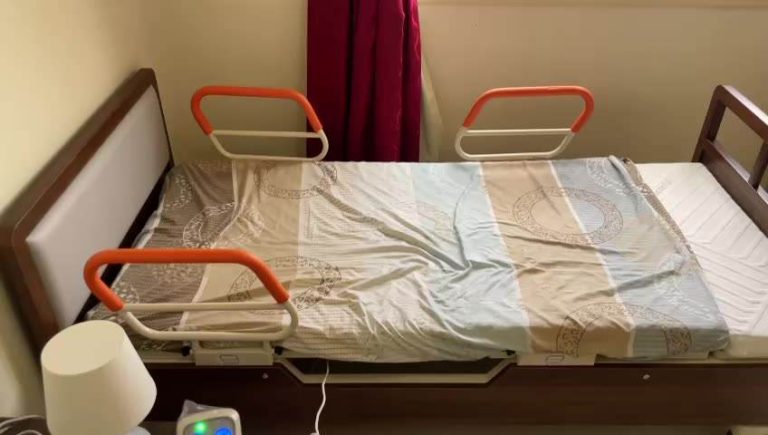
Electric Nursing Bed Maintenance Guide: Extending Product Lifespan | Hospital Procurement Guide
Electric Nursing Bed Maintenance Guide: Extending Product Lifespan
In the evolving landscape of healthcare infrastructure, the electric nursing bed has transitioned from a luxury item to a fundamental component of patient care. Whether deployed in a critical care unit, a rehabilitation center, or a home care setting, these devices play a pivotal role in improving patient outcomes and reducing the physical burden on caregivers. However, the longevity and reliability of this equipment depend heavily on a structured maintenance strategy. This guide provides a comprehensive overview of maintaining electric nursing beds, drawing on industry standards and technical specifications from leading manufacturers like HJIM (Hengshui Chengen Medical Equipment Co., Ltd).
Understanding the difference between traditional manual systems and modern electric solutions is the first step in effective asset management. While manual beds rely on mechanical crank handles and are prevalent in budget-constrained markets like parts of Africa and Southeast Asia [K2], electric beds utilize linear actuators to adjust backrest, knee, and height positions via remote control [K1]. This shift in technology necessitates a shift in maintenance focus—from purely mechanical lubrication to a blend of electrical and mechanical care.
Understanding the Core Mechanics of Electric Beds
To maintain an electric nursing bed effectively, one must understand its underlying architecture. Unlike manual beds that use a gear-and-rack system operated by hand [K2], electric beds are driven by electric linear actuators. These actuators convert the rotational motion of an electric motor into linear motion, allowing for smooth and precise adjustment of the bed frame.
The core logic of an electric bed is to solve the problem of “patients who cannot move but need to change position” without requiring excessive physical effort from nursing staff [K1]. A typical unit, such as the HJIM MD-A12, features a 3-function configuration: backrest adjustment (0-80°), leg rest adjustment (0-45°), and overall height lifting [K1]. The reliability of these functions hinges on the quality of the motors (often brands like LINAK or Dewert in premium models) and the integrity of the control system.
Maintenance, therefore, is not just about cleaning; it is about preserving the electromechanical integrity of the system. A failure in the actuator or the control box can render the bed immobile, directly impacting patient comfort and increasing the risk of complications such as pressure u
Establishing a Routine Maintenance Protocol
A robust maintenance protocol should be tiered, ranging from daily visual checks to annual professional inspections. This approach ensures that minor issues are caught before they escalate into costly repairs or safety hazards.
Daily Visual and Operational Checks
For facility managers and nursing staff, the daily routine should focus on usability and safety. This includes verifying that the remote control or control panel is responsive. Since the bed is often the primary interface for patient mobility assistance, any lag in response time should be noted. Additionally, staff should visually inspect the bed frame for any obvious signs of damage, such as bent guardrails or loose casters. In a hospital setting, ensuring that the locking mechanisms on the wheels are functional is critical for preventing unintended movement during procedures.
Weekly Cleaning and Cable Inspection
Hygiene is paramount in medical device maintenance. Electric nursing beds should be cleaned with mild disinfectants that do not corrode the ABS materials used in headboards or footboards [K1]. Special attention must be paid to the cabling. The power cord and the connection cables between the control box and the actuators should be inspected for fraying or exposed wires. Given that these beds are frequently adjusted, cables can become pinched or stressed over time. Ensuring that cables are routed correctly and not trapped under the mattress or frame is a simple but vital weekly task.
Monthly Mechanical Tightening and Lubrication
While electric beds reduce the need for manual cranking, they still possess mechanical joints that require attention. Once a month, maintenance personnel should check the tightness of bolts and screws on the bed frame, particularly around the articulation points where the backrest and leg rest move. Over time, vibration from motor operation can loosen these fasteners. If the bed model includes manual override cranks (a common safety feature in case of power failure), these should be operated occasionally to ensure they are not seized. Lubrication of moving metal parts should be performed using manufacturer-approved lubricants to prevent rust and ensure smooth operation.
Annual Professional Servicing
Once a year, a certified technician should perform a deep inspection. This involves testing the load-bearing capacity and verifying the emergency lowering function. For beds equipped with advanced features like IoT integration or smart anti-fall alarms [K3], the annual service should include a software check and sensor calibration. Predictive maintenance, which monitors motor and actuator health via sensor data, is becoming an industry trend [K3]. If your facility utilizes smart beds, ensure that the data logs are reviewed to identify any motors that are drawing excessive current, which could indicate impending failure.
Comparison: Manual vs. Electric Bed Maintenance
Understanding the maintenance differences between manual and electric beds is essential for healthcare procurement teams managing mixed fleets of equipment. While manual beds are often chosen for developing markets due to budget constraints [K2], electric beds dominate in homecare and ICU settings due to their functionality [K1].
| Maintenance Aspect | Manual Nursing Bed | Electric Nursing Bed |
|---|---|---|
| Primary Mechanism | Mechanical crank and gear system | Electric linear actuators and motors |
| Key Wear Points | Crank handle joints, gear teeth | Motor brushes, control electronics, cables |
| Labor Intensity | High (requires physical turning) | Low (button operation) |
| Failure Mode | Stuck mechanism, rusted handle | Motor burnout, remote signal loss |
| Cost of Ownership | Low initial, moderate maintenance | Higher initial, specialized electrical maintenance |
| Typical Market | Developing regions, budget facilities [K2] | Hospitals, Homecare, Aging-in-place [K1] |
This comparison highlights that while electric beds offer superior caregiver ergonomics and patient comfort, they introduce a dependency on electrical components that require specific technical knowledge to maintain. In contrast, manual beds, while robust, place a higher physical demand on the user and may suffer from mechanical wear that affects positioning precision.
Integrating Smart Technologies and Future Trends
The maintenance landscape is shifting with the advent of Industry 4.0 technologies in healthcare equipment. Modern electric nursing beds are increasingly incorporating IoT integration, allowing for remote monitoring of patient vitals, bed position, and weight via WiFi or 4G [K3]. This connectivity enables a proactive approach to maintenance.
Instead of waiting for a motor to fail, facility managers can receive alerts when an actuator’s performance degrades. This concept, known as predictive maintenance, relies on sensor data to monitor the health of the motor and actuator [K3]. For procurement teams, specifying beds with these capabilities can significantly reduce downtime and extend the overall product lifespan. Furthermore, the integration of voice control with smart home systems like Alexa or Google Home [K3] adds another layer of complexity, requiring maintenance protocols to include software updates and connectivity checks alongside physical inspections.
Procurement Considerations and OEM Standards
When sourcing electric nursing beds, understanding the manufacturing landscape is crucial for long-term maintenance planning. The market offers various models, from basic 3-function beds to advanced ICU units. For businesses looking to brand these products, OEM/ODM manufacturing is a common pathway [K3].
In the OEM model, the factory produces the bed to the buyer’s design, typically yielding margins of 5-10% [K3]. In the ODM model, the factory provides both design and production, with margins ranging from 10-15% [K3]. When selecting a supplier, such as HJIM, it is vital to verify their compliance with international standards. Medical device compliance is non-negotiable; look for certifications like CE, ISO 13485, and FDA registration. These certifications ensure that the materials used (such as the ABS removable headboard in the HJIM MD-A12 [K1]) are durable and safe for medical environments.
Additionally, consider the supply chain for spare parts. A bed is only as good as its support ecosystem. Ensure that the manufacturer can supply replacement actuators, control boxes, and remotes for the lifespan of the product, which typically ranges from 5 to 10 years depending on usage intensity.
Ensuring Regulatory Compliance and Safety
Maintenance is not merely about extending the life of the asset; it is a regulatory requirement. In many jurisdictions, medical equipment must be inspected regularly to maintain medical certification. Failure to maintain logs of inspections and repairs can lead to compliance issues during audits.
Safety features such as smart anti-fall systems, which use AI to reduce false positives in bed exit alarms [K3], must be tested regularly. These systems are critical for patient safety, particularly in elderly care facilities where the risk of falls is high. Maintenance staff should simulate bed exit scenarios to ensure the alarm triggers correctly and that the bed’s locking mechanisms engage as designed.
Furthermore, electrical safety is paramount. Regular testing of the ground connection and insulation resistance prevents the risk of electric shock to patients or staff. Given that these beds are often used in environments with high humidity or where fluids may be present, the integrity of the electrical seals on the control box and actuators must be verified during annual servicing.
Conclusion
Extending the lifespan of an electric nursing bed requires a proactive, multi-layered approach to maintenance. By understanding the core mechanics—specifically the role of linear actuators and control systems—facilities can move beyond reactive repairs to a state of predictive care. Whether managing a fleet of beds in a large hospital or maintaining a single unit for home care, adherence to a structured schedule of daily checks, weekly cleaning, and annual professional servicing is essential.
As the industry moves towards smarter, connected devices, maintenance strategies must evolve to include software and sensor diagnostics. By partnering with reputable manufacturers like HJIM and adhering to international safety standards, healthcare providers can ensure that their equipment remains a reliable foundation for patient care, ultimately supporting the goals of elderly care and effective rehabilitation.
Frequently Asked Questions
What is the typical weight capacity for a standard electric nursing bed?
The weight capacity varies by model, but a standard heavy-duty electric nursing bed, such as the HJIM MD-A12, typically supports a maximum load of 220kg [K1]. This capacity is designed to accommodate a wide range of patient sizes while ensuring the structural integrity of the bed frame and the stability of the linear actuators during adjustment.
What type of motors are used in high-quality electric nursing beds?
High-quality electric nursing beds utilize electric linear actuators. Industry-standard motors often come from reputable brands such as LINAK or Dewert, though domestic alternatives are also available depending on the region and budget [K1]. These motors are selected for their durability, noise levels, and ability to provide smooth, controlled movement for the backrest and leg rest sections.
How does the maintenance of an electric bed differ from a manual bed in developing markets?
In developing markets where manual beds are common due to budget constraints, maintenance focuses on mechanical components like crank handles and gears [K2]. In contrast, electric beds require monitoring of electrical systems, including motors and control boxes. While manual beds may suffer from rust or mechanical seizing, electric beds require checks for cable integrity and motor performance, reflecting the higher complexity and cost of the electric system [K1][K2].
What certifications should I look for when procuring electric nursing beds for a hospital?
When procuring hospital equipment, it is critical to verify that the beds meet international regulatory standards. Look for certifications such as CE (for European compliance), ISO 13485 (for medical device quality management), and FDA registration (for US market compliance). These certifications ensure that the bed has undergone rigorous testing for safety, electrical reliability, and biocompatibility of materials [K3].