How to Inspect a Nursing Bed Factory: Checklist for Buyer Visits
How to Inspect a Nursing Bed Factory: Checklist for Buyer Visits
The global medical nursing bed market is valued at approximately USD 4.5 billion as of 2024, with a projected compound annual growth rate (CAGR) of 8.5% through 2027 [K3]. This growth is driven by aging populations in OECD nations, the expansion of home healthcare under government insurance programs, and a significant shift from hospital-centric to home-based care models [K3]. For healthcare procurement professionals and distributors, selecting the right manufacturing partner is not merely a purchasing decision; it is a strategic commitment to patient safety, caregiver ergonomics, and long-term supply chain stability.
When visiting a nursing bed factory, whether in China, Europe, or elsewhere, the goal is to verify capability, compliance, and consistency. This guide provides a comprehensive checklist for buyer visits, focusing on the technical nuances of electric nursing beds and manual nursing beds, OEM/ODM capabilities, and regulatory standards. We will reference industry benchmarks and specific product examples, such as those from HJIM (Hengshui Chengen Medical Equipment Co., Ltd), to illustrate what a high-quality inspection looks like.
Understanding the Product Landscape Before You Visit
Before stepping onto the factory floor, a buyer must understand the fundamental differences between the product categories they intend to source. The market is broadly segmented into electric and manual solutions, each serving distinct economic and clinical needs.
Electric Nursing Beds: The Standard for Modern Care
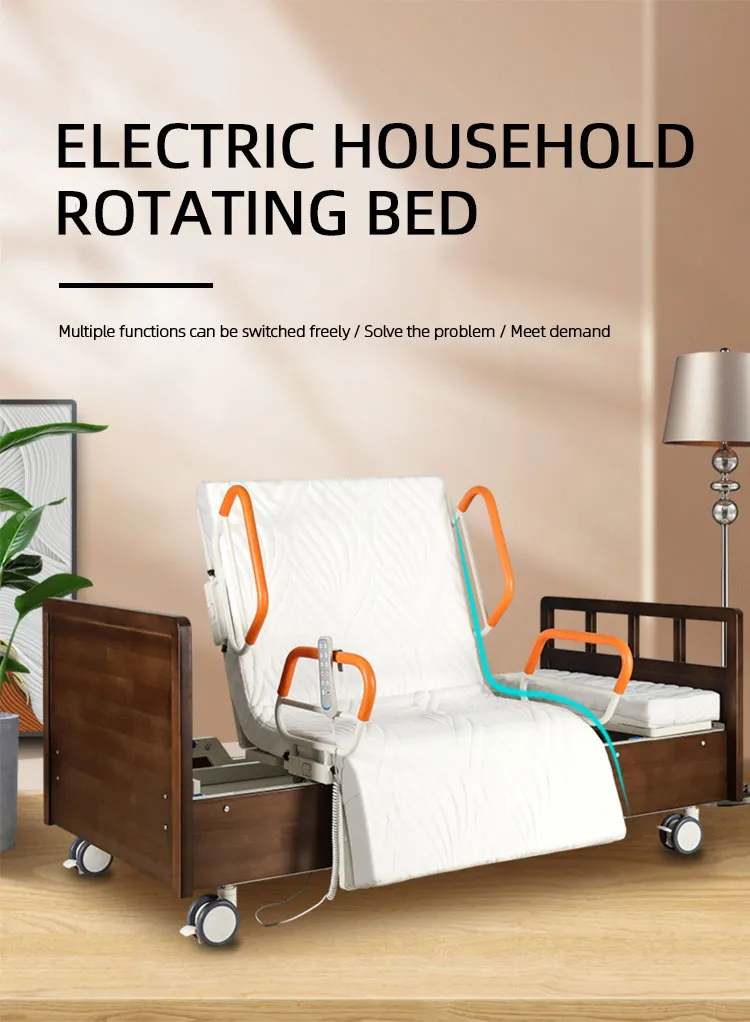
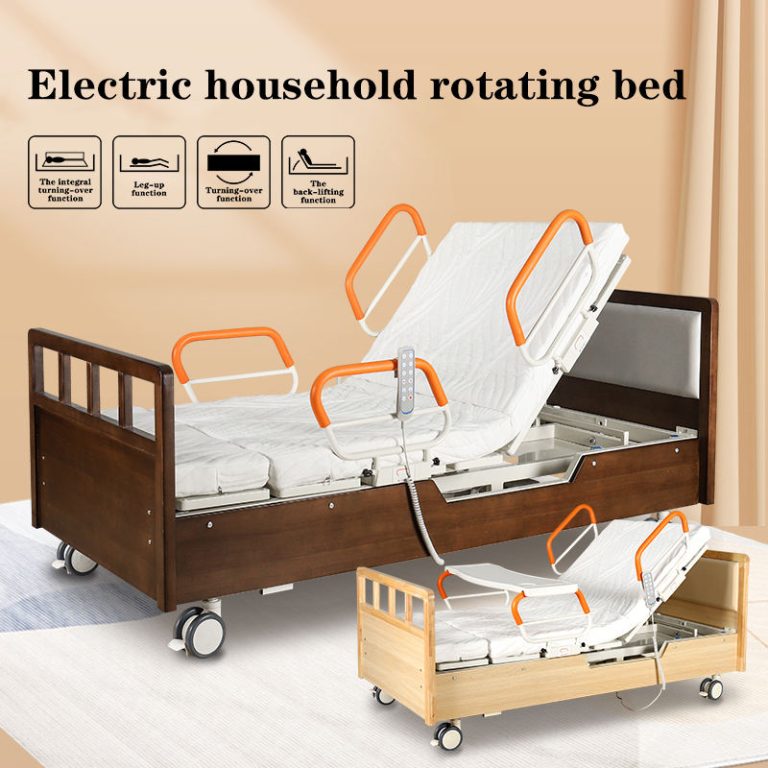
An electric nursing bed uses linear actuators (typically 2-5 motors) to provide adjustable positioning for patients with limited mobility [K5]. The core value proposition is the reduction of caregiver labor intensity by over 70% compared to manual alternatives [K5]. These beds allow patients to adjust their backrest, knee angle, and overall height via a remote control or wall panel, which is critical for preventing pressure u
During an inspection, pay attention to the specific functions offered. A standard 3-function electric bed, like the HJIM MD-A12, typically features backrest adjustment (0-80°), leg rest adjustment (0-45°), and overall height升降 (lifting) [K1]. The maximum load capacity is a critical specification; for instance, the HJIM MD-A12 supports up to 220kg [K5]. Buyers should verify that the factory tests these load limits rigorously. Furthermore, the brand of the linear motors matters significantly. Reputable factories often use motors from brands like LINAK or Dewert, or high-quality domestic equivalents, which directly impacts noise levels and durability [K1].
Manual Nursing Beds: Economic Solutions for Specific Markets
While electric beds dominate developed markets, manual nursing beds remain essential for budget-constrained environments. These beds use mechanical crank handles to adjust the backrest and height, requiring no electricity [K2]. They are the primary choice for developing regions in Africa and Southeast Asia, where power stability can be an issue and budgets are tight [K2].
The price point for manual beds is significantly lower, often ranging from $80 to $150 in export markets [K2]. However, buyers must not mistake “manual” for “low quality.” A robust manual bed should feature smooth gear mechanisms, sturdy steel frames, and reliable locking casters. In an inspection, check the welding quality of the frame and the ease of operation for the crank handles. If the handle is difficult to turn, the internal gear ratio or lubrication is likely substandard.
Factory Production Line and Component Verification
Once inside the facility, the production line offers the most tangible evidence of quality control. Do not rely solely on the showroom; the assembly floor tells the real story.
Motor and Actuator Sourcing
For electric beds, the motor is the heart of the system. Ask the factory to disclose their supply chain for linear actuators. As noted in industry specifications, the motor brand is a key observable indicator of quality [K1]. A factory using generic, unbranded motors may offer a lower price, but the risk of failure within 12 months increases significantly. Verify if they have partnerships with established suppliers. If they use domestic motors, request stress-test reports that simulate 10,000+ cycles of lifting and lowering.
Welding and Frame Integrity
The bed frame must support dynamic loads, not just static weight. Patients move, caregivers lean on rails, and equipment is placed on the bed. Inspect the welding points on the steel frames. They should be clean, consistent, and free of spatter. For hospitals, the frame often needs to support up to 220kg safely [K5]. Ask to see the load-testing station. A professional factory will have a dedicated area where beds are subjected to weights exceeding their rated capacity to ensure structural integrity before
Surface Treatment and Durability
Hospital environments are harsh. Beds are constantly cleaned with disinfectants, and humidity can vary. Check the powder coating or painting process. The finish should be smooth, uniform, and resistant to corrosion. Ask about the salt spray test duration for their metal components; a standard for medical furniture often requires 48 to 72 hours of salt spray resistance to ensure longevity in clinical settings.
Compliance, Certifications, and Regulatory Standards
Medical device compliance is non-negotiable. A factory may produce excellent beds, but if they lack the proper certifications, you cannot legally import or sell them in many regions.
Essential Certifications
Ensure the factory holds valid ISO 13485 certification, which is the international standard for quality management systems in the medical device industry. Additionally, for European markets, CE marking is mandatory, indicating compliance with health, safety, and environmental protection standards. For the United States, FDA registration is required for medical devices. During your visit, ask to see the original certificates and verify their expiration dates. Be wary of factories that show copies that look altered or expired.
Electrical Safety and EMC
Electric nursing beds involve electrical components, making Electromagnetic Compatibility (EMC) and electrical safety critical. The factory should have an EMC testing lab or a partnership with a third-party testing house (like TUV, SGS, or Intertek). Ask how they test for electrical leakage and motor interference. In a hospital ICU, a bed’s motor noise or electrical interference should not affect nearby monitoring equipment.
OEM and ODM Manufacturing Capabilities
Most buyers are not just purchasing white-label products; they are looking for a partner to build their brand. Understanding the factory’s OEM/ODM structure is vital for your business model.
Defining the Relationship
OEM (Original Equipment Manufacturer) means the factory produces beds to your specific design and specifications. ODM (Original Design Manufacturer) means the factory provides the design and production, and you brand it as your own. OBM (Original Brand Manufacturer) refers to the factory selling under its own brand [K4].
From a margin perspective, OEM typically yields 5-10%, ODM yields 10-15%, and OBM yields 20-35% [K4]. If you are a distributor looking to build a brand, an ODM partnership is often the most efficient route, as it leverages the factory’s R&D while allowing you to focus on marketing and sales.
Customization Limits
During the visit, discuss customization limits. Can you change the color of the ABS head and footboards? Can you customize the remote control layout? For example, the HJIM MD-A12 features an ABS detachable headboard, which is a common area for branding [K1]. Ask about Minimum Order Quantities (MOQ) for custom colors or logos. High MOQs can tie up capital, so negotiate terms that align with your inventory turnover rates.
Comparison: Electric vs. Manual Nursing Beds for Procurement
To assist in your decision-making during the factory visit, refer to the following comparison of the two primary product categories based on current industry data.
| Feature | Electric Nursing Bed | Manual Nursing Bed |
|---|---|---|
| Primary Mechanism | Electric linear actuators (2-5 motors) | Mechanical crank handles |
| Typical Price Range | $300 – $1,500+ | $80 – $150 [K2] |
| Key Market | Hospitals, Home Care, Developed Nations | Developing Regions, Budget Clinics [K2] |
| Caregiver Impact | Reduces labor intensity by 70%+ [K5] | Requires physical effort to adjust |
| Complexity | Higher (Requires electrical testing) | Lower (Mechanical only) |
| Growth Segment | 6% CAGR (Hospital/ICU) [K3] | 3% CAGR (Developing Markets) [K3] |
Post-Visit Verification and Logistics
After the factory tour, the focus shifts to logistics and after-sales support. A factory might have excellent production lines but fail in delivery or warranty handling.
Warranty and Spare Parts
Clarify the warranty terms. Standard industry practice is often 1 year for the entire bed and 3-5 years for the motors. Ask about their spare parts policy. If a motor fails in a remote clinic, how quickly can they ship a replacement? A reliable factory like HJIM will maintain a stock of critical components (motors, controllers, casters) to ensure quick dispatch [K1].
Nursing beds are bulky and heavy. Inspect the
Conclusion
Inspecting a nursing bed factory is a multifaceted process that requires attention to mechanical details, regulatory compliance, and strategic alignment. Whether you are sourcing high-end electric beds for home healthcare or rugged manual beds for emerging markets, the quality of the partner determines the success of your procurement.
By focusing on motor quality, frame integrity, and certification validity, you mitigate the risks associated with medical device sourcing. Remember that the market is evolving; with homecare beds growing at an 18% CAGR [K3], the demand for reliable, comfortable, and safe patient beds is only increasing. Choose a partner that invests in R&D, adheres to strict quality standards like ISO 13485, and offers transparent OEM/ODM terms. This due diligence ensures that the beds you supply will serve patients and caregivers effectively for years to come.
Frequently Asked Questions
What are the standard motor specifications for a reliable electric nursing bed?
Reliable electric nursing beds typically utilize 2 to 5 linear actuators depending on the function count. Industry standards suggest using motors from established brands like LINAK or Dewert, or high-quality domestic equivalents [K1]. These motors should be capable of supporting a maximum load capacity of at least 220kg to ensure safety for diverse patient weights [K5]. The noise level during operation should be minimal to maintain a calm patient environment.
What certifications are mandatory for exporting nursing beds to Europe and the US?
For export to Europe, CE marking is mandatory, demonstrating compliance with the Medical Device Regulation (MDR). Additionally, ISO 13485 certification is required to prove the manufacturer has a robust quality management system. For the United States market, the factory must be FDA registered, and the products must meet relevant electrical safety and electromagnetic compatibility standards [K4].
What is the typical price difference between manual and electric nursing beds?
There is a significant cost disparity driven by complexity. Manual nursing beds, which rely on mechanical cranks, typically range from $80 to $150 in export markets [K2]. In contrast, electric nursing beds, which include motors, controllers, and complex frames, start at a much higher price point, often exceeding $300 and going up to $1,500 or more for advanced ICU models. This difference reflects the 70% reduction in caregiver labor intensity provided by electric models [K5].
How does OEM manufacturing differ from ODM in the nursing bed industry?
In OEM manufacturing, the buyer provides the design and specifications, and the factory produces the bed accordingly, typically yielding margins of 5-10% [K4]. In ODM manufacturing, the factory provides both the design and production capabilities, allowing the buyer to brand the product as their own, which usually commands higher margins of 10-15% [K4]. ODM is often preferred for buyers who want to launch a product line quickly without investing in R&D.