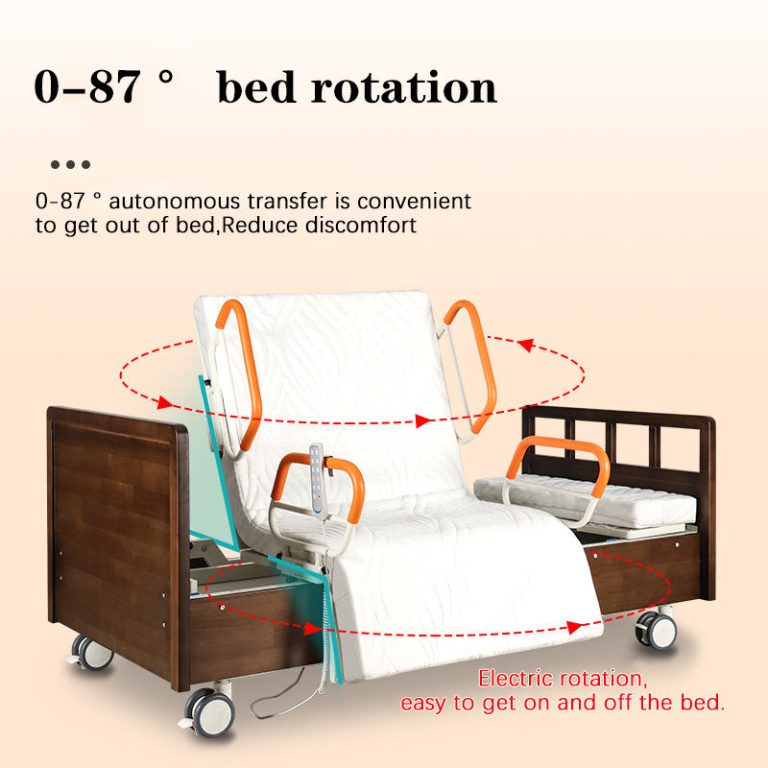
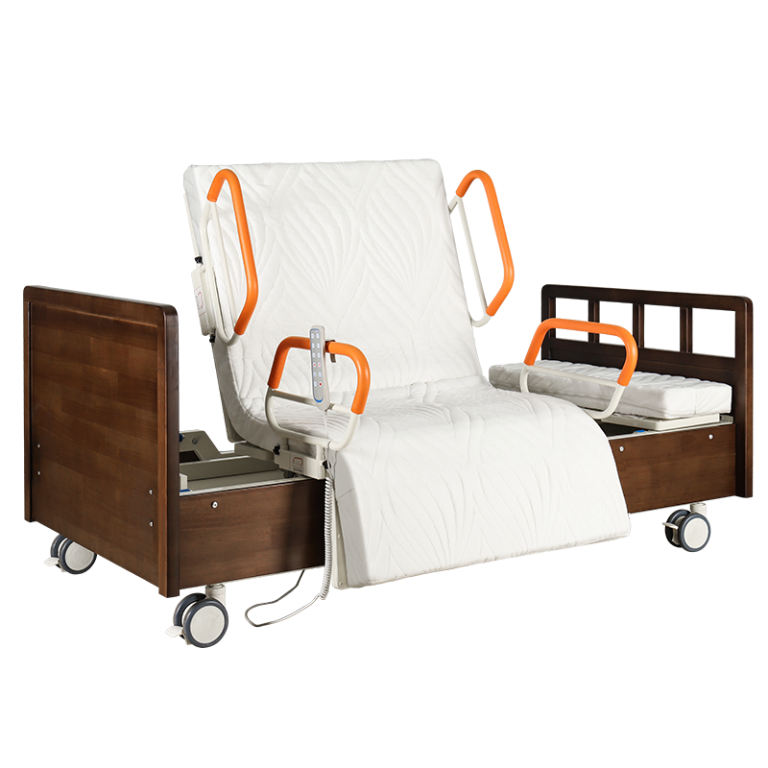
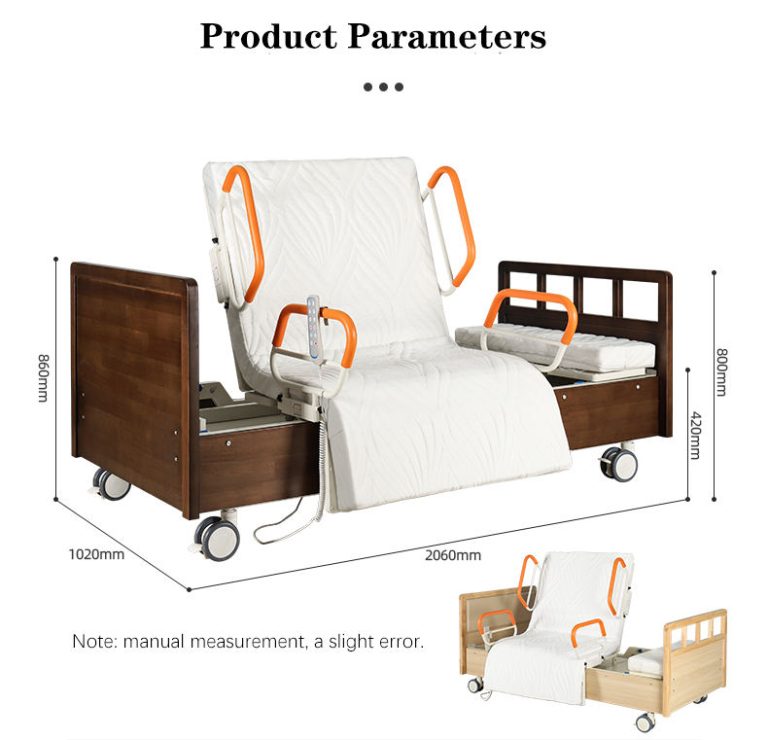
Home Care Equipment Package: Nursing Bed with Wheelchair and Walker
Home Care Equipment Package: Nursing Bed with Whee
The transition from institutional hospital care to home-based recovery represents one of the most significant shifts in modern healthcare delivery. As populations age and medical technology advances, the demand for comprehensive home care solutions has surged. A complete home care equipment package is not merely a collection of devices; it is an integrated ecosystem designed to support patient dignity, caregiver efficiency, and clinical outcomes. At the heart of this ecosystem lies the nursing bed, supported by essential mobility aids such as whee
This article examines the components of a robust home care package, focusing on the technical specifications of nursing beds, the synergy with mobility devices, and the emerging technological trends that define the next generation of patient care equipment. We will reference industry standards and specific product configurations, such as those offered by HJIM (Hengshui Chengen Medical Equipment Co., Ltd), to illustrate best practices in equipment selection.
The Strategic Importance of the Home Care Ecosystem
The global medical nursing bed market is valued at approximately USD 4.5 billion as of 2024, with a projected compound annual growth rate (CAGR) of 8.5% through 2027. This growth is driven by aging populations in OECD nations, the expansion of home healthcare under government insurance programs, and a decisive shift from hospital-centric to home-based care models. When procuring a package deal, the objective is to create a seamless environment where the patient can transition safely between resting, sitting, and moving.
A well-configured package reduces the physical burden on caregivers. For instance, pairing an adjustable nursing bed with a lightweight, foldable whee
Understanding Nursing Bed Mechanics: Manual vs. Electric
The nursing bed is the anchor of any home care package. Selecting the right type depends heavily on the budget, the availability of reliable electricity, and the level of caregiver support available. The market generally divides into two primary categories: manual nursing beds and electric nursing beds.
Manual Nursing Beds: Economic Efficiency
A manual nursing bed utilizes a mechanical crank or hand-crank system to adjust the bed’s height and angle. These beds are defined by their simplicity and lack of dependency on electrical power. In regions where power stability is a concern or where budget constraints are tight, manual beds remain a viable solution. They are particularly prevalent in developing markets, such as parts of Africa and Southeast Asia, where they serve as the主力 product for basic care facilities.
From a technical standpoint, manual beds rely on a gearbox and crank handle mechanism. While they offer basic height adjustment and backrest elevation, they require physical effort from the caregiver to operate. This can lead to caregiver fatigue over time, especially when frequent adjustments are needed for patient comfort or hygiene. However, their low maintenance requirements and lower initial cost make them a practical choice for long-term care in resource-limited settings.
Electric Nursing Beds: Enhanced Care and Comfort
Electric nursing beds represent the standard for modern home care, utilizing electric linear actuators to adjust the bed’s position. These beds replace the manual crank with a motorized system controlled via a hand-held remote or a wall-mounted panel. The core value proposition of an electric bed is the reduction of caregiver labor intensity by over 70%, allowing for precise positioning without physical strain.
Consider the HJIM MD-A12 Electric Nursing Bed as a benchmark example. This model typically features a 3-function configuration, allowing for independent adjustment of the backrest (0-75°), knee gatch (0-45°), and overall bed height. The use of high-quality motors, such as those from LINAK or Dewert, ensures smooth, quiet operation, which is critical for patient sleep quality. Furthermore, electric beds often include features like ABS headboards that are easy to clean and disinfect, adhering to strict hygiene standards required in medical environments.
The clinical benefits of electric beds extend beyond convenience. They facilitate critical care positions, such as Fowler’s Position, which is essential for patients with respiratory distress or those recovering from surgery. By elevating the head and back to 45-60 degrees, Fowler’s Position reduces cardiac preload, improves chest expansion, and prevents aspiration pneumonia. Achieving and maintaining this position manually is difficult; an electric bed makes it a simple button press, ensuring consistent therapeutic positioning.
Comparison of Nursing Bed Technologies
| Feature | Manual Nursing Bed | Electric Nursing Bed |
|---|---|---|
| Adjustment Mechanism | Mechanical crank/handle | Electric linear actuators (2-5 motors) |
| Power Dependency | None (fully mechanical) | Requires AC power (often with battery backup) |
| Caregiver Effort | High (physical cranking required) | Low (remote control operation) |
| Typical Cost Range | $80 – $150 USD | $300 – $800+ USD |
| Primary Market | Developing regions, budget facilities | Hospitals, home care, rehab centers |
| Key Benefit | Reliability in low-power environments | Patient comfort and caregiver ergonomics |
Integrating Mobility Aids: Whee
A nursing bed is ineffective if the patient cannot leave it safely. Therefore, a comprehensive care package must include mobility aids that complement the bed’s capabilities. Whee
Whee are essential for patients with limited lower-body strength. When paired with a nursing bed, the whee
Walkers are designed for patients who retain some walking ability but require stability. They are often used in conjunction with physical therapy to prevent muscle deconditioning. Modern walkers may include wheels, seats, and even braking systems that lock when the user sits. In a home care package, the walker serves as a bridge between total dependence (bed) and independent mobility. Procurement should focus on adjustability to fit the patient’s height, ensuring proper posture and reducing strain on the back and shoulders.
Technological Trends in Patient Care Equipment
The home care equipment market is undergoing a digital transformation. Modern nursing beds are no longer just furniture; they are becoming connected medical devices. Several key technology trends are reshaping how we approach home care procurement.
IoT Integration is becoming standard in high-end care packages. Through WiFi or 4G connectivity, these beds can transmit data regarding patient vitals, bed position, and even weight to a central monitoring system. This allows remote caregivers or family members to monitor the patient’s status without being physically present. For example, if a patient attempts to get out of bed unassisted, the system can alert a caregiver immediately.
Smart Anti-fall Systems utilize AI-powered sensors to reduce false positives while detecting bed exits. This is a critical safety feature for patients with dementia or mobility issues. Unlike traditional pressure mats, which can be triggered by pets or shifting sheets, AI-driven systems analyze movement patterns to distinguish between a patient standing up and accidental displacement of bedding.
Voice Control integration with smart home systems like Alexa or Google Home allows patients with limited hand mobility to adjust their bed position using voice commands. This enhances patient autonomy and reduces the need to call for assistance for minor adjustments. Additionally, Predictive Maintenance features monitor the health of motors and actuators, alerting maintenance teams before a failure occurs, ensuring continuous care availability.
Regulatory Compliance and Procurement Standards
When sourcing home care equipment packages, adherence to international regulatory standards is non-negotiable. Equipment must comply with safety and quality management systems to ensure patient safety. Key certifications include CE marking for the European market, ISO 13485 for medical device quality management, and FDA clearance for the US market.
Procurement officers should verify that the manufacturer has a robust quality control process. For instance, the HJIM MD-A12 bed is designed to meet these rigorous standards, featuring a maximum load capacity of 220kg to accommodate a wide range of patient sizes. Documentation should clearly state the materials used (e.g., steel frame, ABS plastic), warranty terms, and after-sales support capabilities. In the context of OEM manufacturing, it is also vital to ensure that any custom branding or modifications do not compromise the structural integrity or safety certifications of the base product.
Conclusion
Selecting a home care equipment package is a strategic decision that impacts the quality of life for patients and the workload of caregivers. The combination of a nursing bed, whee
Frequently Asked Questions
What is the standard weight capacity for a modern electric nursing bed?
Most modern electric nursing beds, such as the HJIM MD-A12, are designed with a maximum load capacity of approximately 220kg (485 lbs). This high weight limit ensures safety for a diverse patient population, including bariatric patients, while maintaining structural stability during height and angle adjustments.
How does Fowler’s Position benefit a patient in a home care setting?
Fowler’s Position involves elevating the head and back to an angle between 45° and 60°. This position is clinically significant for home care as it improves respiratory function by allowing full chest expansion, reduces the risk of aspiration during feeding, and alleviates pressure on the lower back. Electric beds make maintaining this therapeutic position effortless for the patient.
What are the primary differences in motor systems between manual and electric beds?
Manual nursing beds utilize a mechanical gearbox and crank handle system that requires physical rotation to adjust the bed frame. In contrast, electric nursing beds use linear actuators, typically ranging from 2 to 5 motors per unit. These actuators convert electrical energy into linear motion, allowing for smooth, quiet, and remote-controlled adjustments of the backrest, knee gatch, and bed height.
Are there specific certifications required for exporting nursing beds to the US and EU?
Yes. For export to the European Union, nursing beds must carry the CE mark, indicating compliance with the Medical Device Regulation (MDR). For the United States market, FDA 510(k) clearance is typically required for beds classified as medical devices. Additionally, manufacturers should adhere to ISO 13485 standards for quality management systems to ensure consistent product safety and reliability.