Nursing Bed Remote Control: Features That Improve Caregiver Experience
Nursing Bed Remote Control: Features That Improve Caregiver Experience
The landscape of patient care has shifted dramatically over the past decade, moving from labor-intensive manual interventions to streamlined, technology-driven solutions. At the heart of this transformation is the nursing bed, specifically the interface that allows caregivers to manage patient positioning: the remote control system. For healthcare facilities, nursing homes, and home care providers, understanding the nuances of these control systems is not merely a matter of convenience but a critical component of caregiver ergonomics and patient safety. As the industry evolves, the remote control has become the central hub for managing mobility assistance, bed positioning, and safety protocols, directly impacting the efficiency of healthcare procurement and the quality of daily care.
When evaluating hospital equipment, the distinction between manual and electric systems remains the primary decision point for buyers. However, within the electric category, the sophistication of the remote control and its associated features determines the true value of the investment. This article explores the technical specifications, safety mechanisms, and emerging trends that define modern nursing bed remote controls, providing a comprehensive guide for professionals involved in elderly care and medical device compliance.
The Evolution from Manual to Electric Control Systems
To understand the value of modern remote controls, one must first appreciate the limitations of the systems they replaced. Historically, the manual nursing bed was the standard for budget-conscious facilities. These beds rely on mechanical hand-crank mechanisms to adjust the bed surface [K1]. While they offer a low-cost entry point, typically ranging from $80 to $150 in developing markets, they require significant physical effort from caregivers to change a patient’s position [K1]. This physical demand contributes to caregiver fatigue and increases the risk of musculoskeletal injuries among nursing staff, a significant concern in high-turnover healthcare environments.
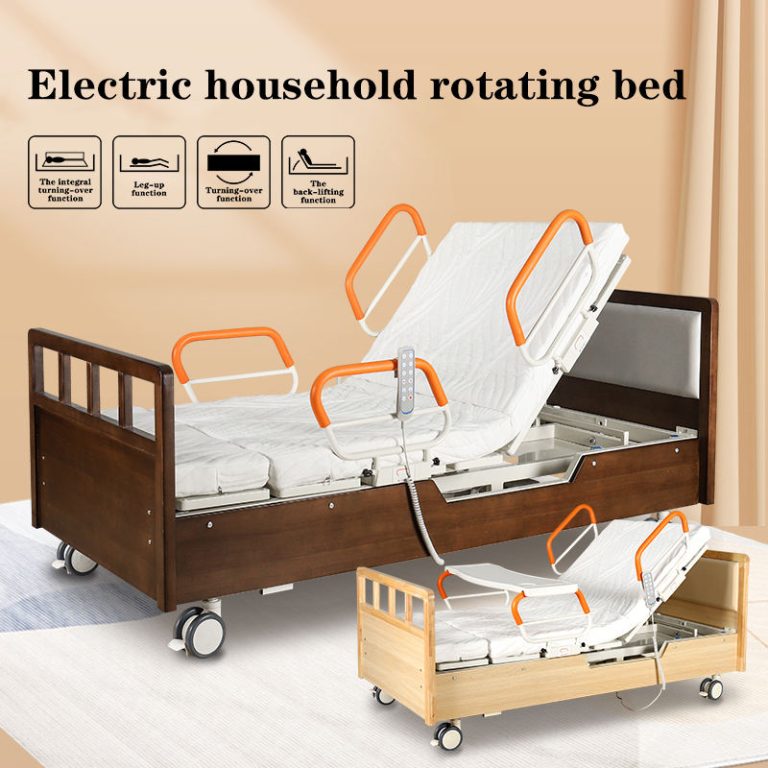
In contrast, the electric nursing bed utilizes electric linear actuators to replace the manual crank. This shift solves the core problem of moving patients who have limited mobility without requiring physical force from the caregiver [K2]. The transition from manual to electric is not just about luxury; in many developed markets, electric beds have become the basic configuration for patient care rather than a premium add-on [K2]. The remote control serves as the interface for these actuators, allowing for precise adjustments of the backrest, leg section, and overall height. According to industry data, the introduction of electric beds reduces caregiver labor intensity by over 70%, fundamentally changing the workflow in patient care [K5].
For healthcare procurement officers, this evolution represents a shift from viewing beds as static furniture to viewing them as active medical devices. The remote control is the command center for this activity. While manual beds remain relevant in regions with unstable power grids, such as parts of Africa and Southeast Asia, the global trend favors electric systems due to their ability to prevent complications like bedsores and肺部 infections through frequent, easy position changes [K2].
Core Remote Control Features That Enhance Caregiver Efficiency
The effectiveness of a nursing bed is directly tied to the functionality offered by its remote control. When analyzing product specifications, buyers should look beyond the basic ability to move the bed and examine the granularity of control provided. A high-quality remote control system typically manages between 2 to 5 motors, depending on the model complexity [K5].
Functionality and Motor Configuration
Standard electric nursing beds often feature a 3-function configuration. This includes independent control over the backrest, the knee break (leg section), and the overall height of the bed frame. For example, the HJIM MD-A12 electric nursing bed offers a 3-function setup where the backrest can be adjusted from 0 to 80 degrees and the leg section from 0 to 45 degrees [K2]. This range of motion is critical for various medical scenarios, from elevating the head to aid breathing to lowering the legs to reduce pressure on the lower back.
The remote control allows these adjustments to be made seamlessly. In a clinical setting, the ability to quickly switch between positions—such as Trendelenburg for shock management or reverse Trendelenburg for gastric issues—without leaving the bedside is invaluable. The motors driving these movements are often sourced from reputable manufacturers like LINAK or Dewert, though cost-effective domestic options are also available [K2]. The choice of motor brand impacts the noise level and longevity of the bed, which are key observable indicators during procurement [K2].
Ergonomics and Usability
The physical design of the remote control itself matters. For elderly care and home nursing, the controls must be intuitive. Large buttons, clear labeling, and tactile feedback are essential for users with limited dexterity. Furthermore, the remote should be easily accessible, often tethered to the bed frame to prevent loss. In advanced configurations, the control panel may be integrated into the side rail, allowing the patient to make minor adjustments themselves, promoting a sense of autonomy while ensuring safety limits are maintained.
Efficiency is also measured by the speed of adjustment. High-quality linear actuators provide smooth, quiet movement. Noise levels are a critical metric in hospital wards, as excessive motor noise can disrupt patient rest. When evaluating OEM manufacturing options, requesting decibel ratings for the motor operation is a standard best practice [K2].
Safety and Stability Mechanisms Integrated with Control Systems
While remote controls manage positioning, safety systems ensure that the bed remains stable during use. The integration of these safety features with the overall control logic is a hallmark of premium tier hospital equipment. One of the most critical safety features is the central brake system.
The Central Brake System
A central brake system allows a single foot pedal to lock all four casters simultaneously [K6]. This is a significant improvement over individual wheel brakes, which require the caregiver to bend down and lock each wheel separately. The central system reduces the time required to secure the bed, which is crucial during emergency transfers or when the bed is used for procedures [K6].
The mechanism typically offers dual modes: directional lock and full lock. In directional lock mode, the wheels can roll forward and backward but cannot swivel, providing stability while allowing the bed to be moved in a straight line. In full lock mode, all movement is restricted. This feature significantly reduces the risk of falls during transfers, as the bed is less likely to shift unexpectedly when a patient is standing up or being moved [K6]. For healthcare procurement teams, specifying beds with central braking systems is a key step in enhancing patient safety protocols.
Smart Anti-Fall Technologies
Looking beyond mechanical brakes, technology trends are introducing smart anti-fall systems. These systems utilize sensors to detect when a patient is attempting to exit the bed. When integrated with the bed’s control system, these sensors can trigger alarms or even automatically adjust the bed height to a lower position to minimize fall risk [K3].
Advanced implementations use AI-powered false positive reduction to ensure that alarms are only triggered when necessary, preventing alarm fatigue among nursing staff [K3]. This level of integration transforms the nursing bed from a passive object into an active participant in patient monitoring, aligning with broader goals of medical device compliance and risk management in healthcare facilities.
Smart Technology Trends in Modern Nursing Beds
The future of nursing bed remote controls lies in connectivity and intelligence. As the Internet of Things (IoT) penetrates the medical equipment sector, remote controls are becoming gateways for data exchange. This shift supports better healthcare procurement decisions by providing actionable data on bed usage and patient care patterns.
IoT Integration and Remote Monitoring
Modern nursing beds are increasingly equipped with WiFi or 4G connectivity. This allows for the remote monitoring of patient vitals, bed position, and even weight data [K3]. For facility managers, this means they can oversee the status of multiple beds from a central dashboard. If a bed is left in a high position overnight, a manager can be alerted to adjust it for safety. This connectivity also supports predictive maintenance, where sensor data monitors the health of motors and actuators, alerting maintenance teams before a failure occurs [K3].
Voice Control and Smart Home Integration
For home care settings, integration with smart home systems like Alexa or Google Home is becoming a viable feature [K3]. This allows patients or caregivers to adjust bed positions using voice commands, which is particularly useful for individuals with limited hand mobility. While still emerging in the medical sector, this technology bridges the gap between consumer smart home devices and clinical-grade equipment, enhancing the comfort of elderly care at home.
Selecting the Right Bed for Your Facility
When navigating the competitive landscape of nursing bed manufacturers, buyers must balance cost, certification, and feature sets. The market is generally divided into three tiers, each catering to different procurement budgets and regulatory requirements [K4].
| Tier | Characteristics | Typical Use Case | Key Considerations |
|---|---|---|---|
| Premium | Hill-Rom, Paramount Bed, Invacare | Acute Care Hospitals | Brand reputation, extensive service network, highest compliance standards |
| Mid-Tier | Chinese manufacturers with CE/FDA | Nursing Homes, Private Clinics | Cost advantage, closing certification gap, reliable OEM manufacturing |
| Budget | Unbranded Chinese OEMs | Developing Markets, Home Care | Price war, margin compression, lower warranty support |
For most healthcare facilities outside of top-tier acute care, the mid-tier segment offers the best balance of value and compliance. Manufacturers in this segment often hold CE and FDA certifications, which are critical for medical device compliance in international markets [K4]. When selecting a supplier, verifying these certifications is non-negotiable. Brands like HJIM (Hengshui Chengen Medical Equipment Co., Ltd) operate in this space, offering products that meet international standards while maintaining cost competitiveness [K2].
Procurement teams should also consider the total cost of ownership. While budget beds may have a lower upfront cost, the lack of warranty support and potential for higher maintenance needs can increase long-term expenses. Additionally, ensuring that the bed meets local regulatory standards for healthcare procurement is essential to avoid legal liabilities. Specifications such as weight capacity, dimensions, and warranty terms should be clearly documented in purchase agreements.
Frequently Asked Questions
How many motors are typically included in a standard electric nursing bed?
Most standard electric nursing beds utilize between 2 to 5 linear actuators (motors) to manage positioning [K5]. A common configuration is the 3-function bed, which uses three motors to independently control the backrest, leg section, and overall height. Higher-end models may include additional motors for features like wall-hugging capabilities or independent head tilt, providing greater flexibility for specific patient care needs [K2].
What is the maximum weight capacity for models like the HJIM MD-A12?
The HJIM MD-A12 electric nursing bed is designed with a maximum load capacity of 220kg [K5]. This robust weight capacity ensures stability and safety for a wide range of patients, accommodating bariatric needs without compromising the structural integrity of the bed frame. When procuring hospital equipment, verifying the weight limit against the patient demographic is a critical safety step [K5].
How does the central brake system improve patient safety during transfers?
The central brake system allows a single foot pedal to lock all four wheels simultaneously, rather than requiring individual wheel locks [K6]. This ensures the bed is fully stabilized before a patient attempts to stand or is moved by caregivers. By reducing the time needed to secure the bed and preventing unintended movement, the system significantly lowers the risk of falls during transfers [K6].
Are modern nursing beds capable of IoT connectivity for remote monitoring?
Yes, technology trends indicate that newer nursing beds are integrating IoT capabilities via WiFi or 4G [K3]. This allows for remote monitoring of patient vitals, bed position, and weight. Additionally, these systems can support predictive maintenance by monitoring motor health, ensuring that equipment issues are addressed before they impact patient care [K3].
Conclusion
The remote control of a nursing bed is far more than a simple switch; it is the interface between technology and human care. From the basic reduction of physical labor offered by electric actuators to the advanced safety features of central braking and IoT monitoring, these systems define the quality of patient care in modern facilities. For healthcare procurement professionals, understanding the technical specifications—such as motor count, weight capacity, and certification status—is essential for selecting equipment that balances cost with safety and efficiency.
As the industry continues to evolve, the gap between premium and mid-tier manufacturers is closing, with brands like HJIM offering certified, feature-rich solutions that meet global standards. By prioritizing features that enhance caregiver ergonomics and patient safety, facilities can ensure that their investment in hospital equipment translates directly into better health outcomes and a more sustainable care environment.