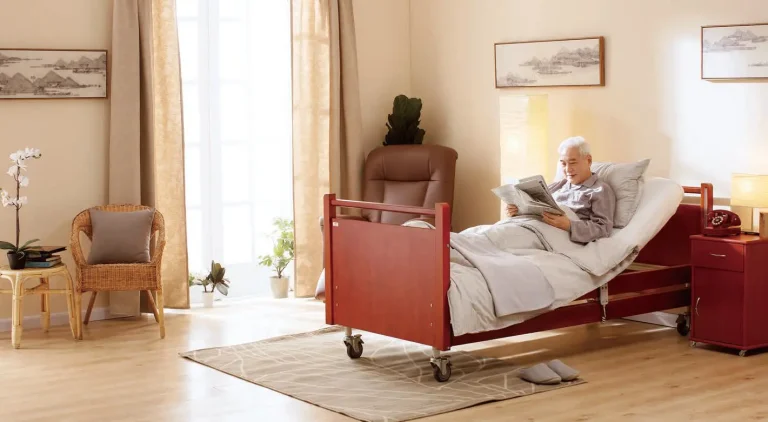
How Much Does a Hospital Bed Cost? Price Guide for Bulk Buyers | Clinical Applications #6
How Much Does a Hospital Bed Cost? Price Guide for Bulk Buyers
Procuring medical furniture for healthcare facilities requires a nuanced understanding of pricing structures, regulatory compliance, and total cost of ownership. For bulk buyers, hospital bed costs are not merely a unit price but a reflection of functionality, certification, and long-term durability. Whether you are equipping a new clinic in a developing region or upgrading a private hospital ward, understanding the market landscape is essential for making informed healthcare procurement decisions. This guide provides a detailed breakdown of hospital bed pricing, driven by industry data and technical specifications from leading manufacturers like HJIM (Hengshui Chengen Medical Equipment Co., Ltd).
Understanding the Market Pricing Tiers
The global nursing bed market is segmented into distinct price tiers, each catering to specific infrastructure capabilities and budget constraints. Understanding these tiers helps buyers align their procurement strategy with the actual needs of their patient care environment.
Budget Tier: Manual Nursing Beds
At the entry level, manual nursing beds represent the most economical solution. These beds utilize mechanical crank mechanisms to adjust the bed surface angles, eliminating the need for electrical components. According to industry data, manual beds are the主力 products in markets such as Africa and Southeast Asia, where power instability or limited budgets are primary concerns [K1]. The typical price range for these units falls between $80 and $150 per unit [K1]. While cost-effective, they require physical effort from caregivers to adjust patient positioning, which can impact caregiver ergonomics over time. However, in scenarios where basic体位调节 (position adjustment) is sufficient and electricity is unreliable, manual beds remain a viable choice [K1].
Mid-Tier: Electric Nursing Beds
Electric nursing beds have become the standard for most modern healthcare facilities. These units replace manual cranks with electric linear actuators, allowing for precise adjustments via a remote control or panel. The underlying logic here is solving the core problem of patients who cannot move independently but require frequent position changes to prevent complications like pressure u
Premium Tier: Advanced Integrated Systems
The premium segment is dominated by established global brands such as Hill-Rom, Paramount Bed, and Invacare [K3]. These units command higher prices due to extensive service networks, integrated smart monitoring systems, and advanced ICU capabilities. The growth rate for hospital electric beds in this segment is steady at approximately 6% CAGR, driven by ICU expansion and smart monitoring integration [K4]. While the unit cost is significantly higher, the total cost of ownership may be justified for top-tier hospitals requiring seamless integration with hospital information systems and high-end patient monitoring.
Key Cost Drivers in Hospital Bed Manufacturing
Bulk buyers must look beyond the sticker price to understand what drives the cost. Several technical and regulatory factors contribute to the final quotation.
Certification and Compliance Costs
Medical device compliance is a major cost factor. Different markets require specific certifications, which involve significant investment in testing and documentation. For the European Union, CE MDR 2017/745 and ISO 13485 are required, with a typical timeline of 6-12 months and costs ranging from €15,000 to €30,000 [K5]. In the USA, FDA 510(k) clearance plus ISO 13485 is mandatory, often costing between $20,000 and $50,000 with a timeline of 3-12 months [K5]. Middle Eastern markets may accept CE or GSO certifications at a lower cost range of $5,000 to $15,000 [K5]. Buyers targeting specific regions must factor these compliance costs into their procurement budget, as uncertified beds may face customs delays or legal liabilities.
Component Quality and Features
The quality of components directly influences durability and safety. A critical safety feature is the Central Brake System, where a single pedal locks all four wheels simultaneously [K6]. This reduces fall risks during patient transfers and offers dual-mode functionality for directional lock and full lock [K6]. Another cost driver is the bed panel material. High-density ABS (Acrylonitrile Butadiene Styrene) headboards are preferred over steel or wood because they are impact-resistant, acid-resistant, and easy to clean [K7]. ABS panels often include quick-release latches for CPR compatibility, adding to the manufacturing cost but significantly enhancing patient safety during emergencies [K7].
Motor and Actuator Technology
For electric beds, the motor brand is a key indicator of quality. Premium actuators from brands like LINAK or Dewert offer smoother operation, lower noise levels, and longer lifespans compared to generic domestic motors. The number of functions also dictates price; a 3-function bed (back, leg, height) is standard, but 5-function beds with additional tilt options cost more. The HJIM MD-A12 model exemplifies a standard electric configuration with ABS headboards and remote operation, suitable for most general ward applications [K2].
Comparison of Hospital Bed Options
The following table provides a comparative overview to assist bulk buyers in selecting the appropriate tier for their specific market segment.
| Feature | Manual Nursing Bed | Electric Nursing Bed (Mid-Tier) | Premium Electric System |
|---|---|---|---|
| Price Range | $80 – $150 [K1] | $300 – $800 (Estimated) | $1,500+ |
| Adjustment Mechanism | Hand crank [K1] | Electric linear actuators [K2] | Smart integrated actuators |
| Primary Market | Africa, SE Asia [K1] | Hospital wards, Homecare [K2] | ICU, Premium Private Hospitals |
| Certification | Varies by country [K5] | CE, FDA, ISO 13485 [K5] | Full Global Compliance |
| Caregiver Impact | High physical effort [K1] | Reduced labor intensity [K2] | Automated assistance |
| Growth Rate | 3% CAGR [K4] | 6% CAGR [K4] | Stable High-End Demand |
Strategic Considerations for Bulk Procurement
When ordering in volume, buyers should negotiate based on total value rather than unit price alone. The competitive landscape shows that Chinese manufacturers with CE/FDA certifications offer a cost advantage while closing the certification gap with premium brands [K3]. However, buyers must be wary of unbranded OEMs engaging in price wars that compress margins below 8%, as this may indicate compromised quality control [K3].
For homecare segments, the growth rate is significantly higher at 18% CAGR, driven by the silver economy and aging-in-place trends [K4]. If your procurement strategy includes homecare beds, consider models with simpler operation interfaces and robust safety features like central locking casters [K6]. Additionally, logistics and after-sales support are critical. Ensure the supplier can provide warranty terms that cover motor failures and structural defects, as repair costs in remote locations can exceed the initial savings on cheaper units.
Conclusion
Selecting the right hospital bed involves balancing budget constraints with patient safety and regulatory requirements. Manual beds remain relevant for budget-limited markets with infrastructure gaps, while electric beds are becoming basic configurations rather than luxuries in many countries [K2]. For bulk buyers, prioritizing certified products with reliable components like ABS headboards and central brake systems ensures long-term usability and safety. By understanding the cost drivers related to certification, motors, and features, procurement officers can make strategic decisions that support high-quality patient care while maintaining financial efficiency. Partners like HJIM offer a range of compliant solutions tailored to these diverse market needs, ensuring that every bed purchased contributes effectively to the healthcare ecosystem.
What is the typical price range for manual versus electric nursing beds?
Manual nursing beds are the most economical option, typically priced between $80 and $150, making them suitable for budget-constrained markets [K1]. Electric nursing beds cost significantly more due to motorized linear actuators and control systems, generally falling into a mid-tier range that reflects their enhanced functionality and reduced caregiver labor [K2]. The price difference is justified by the ability of electric beds to allow patients to adjust their position independently via remote control [K2].
What certification costs should I budget for when importing hospital beds?
Certification costs vary by destination market. For the EU, CE MDR 2017/745 and ISO 13485 require a budget of €15,000 to €30,000 and a timeline of 6-12 months [K5]. For the USA, FDA 510(k) clearance plus ISO 13485 can cost between $20,000 and $50,000 over 3-12 months [K5]. Middle Eastern markets are less expensive, requiring CE or GSO certifications costing $5,000 to $15,000 [K5]. Buyers must include these compliance costs in their total procurement budget to ensure legal market entry.
Which safety features should I prioritize in a bulk order?
Two critical safety features are the Central Brake System and ABS headboards. The Central Brake System allows a single pedal to lock all four wheels simultaneously, reducing fall risks during patient transfers [K6]. ABS headboards are impact-resistant, acid-resistant, and often feature quick-release latches for CPR compatibility, making them superior to steel or wood panels for emergency access [K7]. Prioritizing these features ensures better patient safety and easier maintenance for healthcare facilities.
How does market growth affect procurement strategy for different bed types?
Market data indicates that hospital electric beds are growing at a 6% CAGR, driven by ICU expansion and smart monitoring [K4]. Homecare beds are experiencing even higher growth at 18% CAGR due to aging populations [K4]. Conversely, manual beds in developing regions grow at a slower 3% CAGR [K4]. Procurement strategies should align with these trends; investing in electric beds for hospital wards and homecare models for residential settings aligns with long-term market demand, while manual beds should be reserved for specific budget-limited infrastructure gaps [K4].