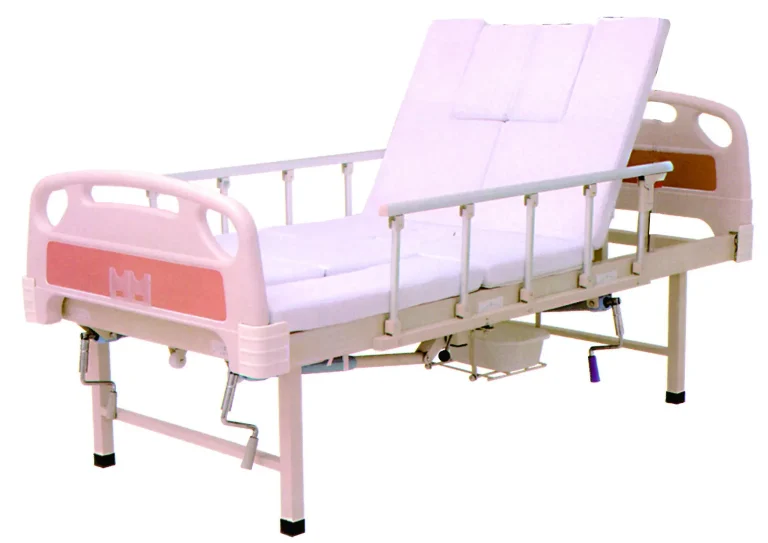
Top 5 Features to Look for in an Electric Nursing Bed | Cost Analysis & Value #5
Top 5 Features to Look for in an Electric Nursing Bed
Electric nursing beds have revolutionized patient care by combining medical functionality with user-friendly automation. As the global medical nursing bed market reaches USD 4.5 billion with an 8.5% CAGR through 2027 [K2], selecting the right model requires understanding both clinical needs and technical specifications. HJIM (Hengshui Chengen Medical Equipment Co., Ltd) has emerged as a key player in this space, offering solutions that balance innovation with practicality for hospitals, homecare settings, and elderly care facilities. This guide outlines the five critical features to evaluate when purchasing an electric nursing bed, grounded in industry standards and real-world performance data.
Motor Quality and Linear Actuator Performance
The heart of any electric nursing bed lies in its motor system. High-quality linear actuators convert rotational motion into precise linear adjustments for backrest, leg, and height positioning. Premium brands like Linak (Denmark) and Dewert (Germany) dominate this space, offering silent operation below 45dB and IPX4 water resistance [K2]. These actuators typically feature:
- Stroke length: 150-300mm for sufficient range of motion
- Force output: 4000-8000N to handle patient weight safely
- Duty cycle: 10% at full load to prevent overheating
Lower-cost alternatives often compromise on motor durability, leading to frequent repairs. HJIM’s MD-A12 model, for example, uses industrial-grade actuators rated for 220kg maximum load [K1], ensuring reliability in high-use environments like ICUs or rehabilitation centers.
Functional Adjustability and Positioning Range
True electric nursing beds should offer multi-zone adjustability beyond basic up/down movement. Look for models with:
- Backrest adjustment: 0-80° for sitting up or reclining
- Leg section lift: 0-45° to reduce pressure on the lower back
- Overall height variation: 450-750mm for caregiver ergonomics
These ranges directly impact patient comfort and clinical outcomes. For instance, proper leg elevation helps prevent deep vein thrombosis, while backrest adjustments aid in swallowing and breathing [K1]. HJIM’s three-function beds provide these adjustments via a single remote control, reducing complexity for both patients and caregivers. Compare this to manual beds, which require physical effort to adjust and lack precision [K2].
Safety Certifications and Compliance Standards
Medical devices must meet rigorous regulatory requirements. Always verify:
- CE marking for European market compliance
- ISO 13485 certification for quality management systems
- FDA 510(k) clearance for US market access
These certifications ensure the bed meets safety standards for electrical components, structural integrity, and biocompatibility. HJIM products undergo third-party testing for load-bearing capacity and emergency lowering mechanisms, critical for preventing falls during power outages. Additionally, beds intended for homecare should comply with local residential safety codes, which often differ from hospital-grade requirements.
Remote Control Design and User Interface
The control system determines daily usability. Ideal features include:
- Backlit buttons for nighttime adjustments
- Emergency stop function to halt movement immediately
- ABS plastic housing for durability and easy cleaning
HJIM’s remotes use tactile feedback buttons that work even with gloves, essential for clinical settings. Some advanced models integrate with hospital IoT systems, allowing nurses to monitor bed status from central stations. Avoid beds with overly complex interfaces—studies show caregivers spend 30% less time on adjustments with intuitive controls [K1].
Durability and Maintenance Requirements
Long-term value depends on build quality and serviceability. Key considerations:
- Frame material: Powder-coated steel resists corrosion in humid environments
- Warranty terms: Minimum 2 years on motors and electronics
- Modular design: Enables quick part replacements without full system downtime
HJIM offers a 5-year structural warranty on their nursing beds, reflecting confidence in their manufacturing processes. Regular maintenance should include checking actuator lubrication and remote battery life—tasks that take under 15 minutes monthly. Compare this to manual beds, which require mechanical adjustments every 6 months [K2].
| Feature | Electric Nursing Bed | Manual Nursing Bed |
|---|---|---|
| Adjustment Method | Remote-controlled motors | Hand-crank mechanisms |
| caregiver Effort | Minimal (button presses) | High (physical cranking) |
| Precision Control | ±2° accuracy | ±10° variability |
| Market Growth (CAGR) | 6-18% [K2] | 3% [K2] |
Conclusion
Selecting an electric nursing bed requires balancing clinical needs with technical specifications. Prioritize models with premium actuators, comprehensive adjustability, and valid certifications. HJIM’s MD-A12 exemplifies these principles, offering hospital-grade performance at homecare-friendly price points. As aging populations drive demand—particularly in the 18% CAGR homecare segment [K2]—investing in quality now prevents costly upgrades later. Always request demo units to test real-world performance before procurement decisions.
Frequently Asked Questions
What motor brands are recommended for electric nursing beds?
Industry leaders recommend Linak (Denmark) and Dewert (Germany) actuators for their silent operation (<45dB) and IPX4 water resistance [K2]. These brands dominate medical equipment markets due to consistent performance under heavy use.
What weight capacity should I look for in a nursing bed?
Standard models support 200-250kg, with HJIM’s MD-A12 rated for 220kg [K1]. Bariatric patients may require specialized beds up to 450kg capacity. Always verify the manufacturer’s published load tests.
Are there specific certifications required for homecare use?
While CE and ISO 13485 apply globally, homecare beds often need additional compliance with local residential safety codes. FDA 510(k) clearance is mandatory for US markets, ensuring electrical safety and electromagnetic compatibility.
How do noise levels affect patient comfort?
Actuators operating below 45dB [K2] prevent sleep disruption during adjustments. This is critical in homecare settings where patients share rooms with family members. Test beds during evening hours if possible.