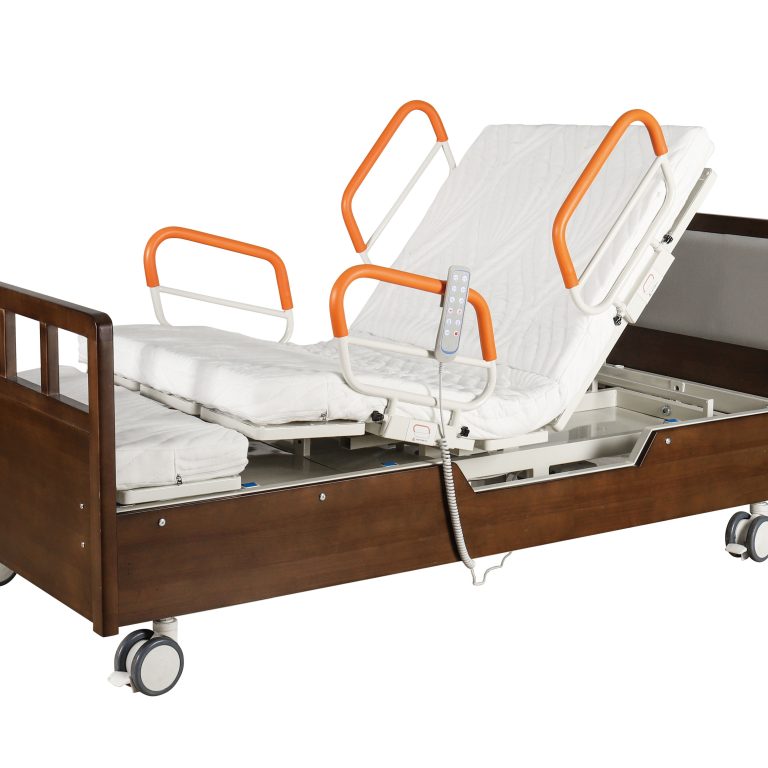
The Ultimate Nursing Bed Specification Checklist | Feature Comparison #4
The Ultimate Nursing Bed Specification Checklist
As healthcare procurement professionals navigate the evolving nursing bed market—valued at approximately USD 4.5 billion globally with an 8.5% CAGR through 2027 [K2]—selecting the right equipment requires balancing clinical functionality, regulatory compliance, and total cost of ownership. This checklist distills critical specifications into actionable criteria for hospitals, aged care facilities, and home healthcare providers.
Understanding Nursing Bed Categories
Nursing beds fall into two primary categories with distinct operational profiles. Electric nursing beds utilize linear actuators controlled via remote or panel interfaces to adjust backrest, leg section, and overall height [K1]. These systems reduce caregiver physical strain while enabling precise positioning for clinical needs like Fowler’s position (45-60° upper body elevation) [K2]. In contrast, manual nursing beds rely on mechanical crank handles for adjustments, offering lower upfront costs but requiring physical effort for repositioning [K2]. While electric models dominate developed markets, manual beds remain relevant in regions with unstable power infrastructure or stringent budget constraints [K2].
Critical Functional Specifications
Three core functional parameters determine clinical utility:
- Movement Range: Electric beds typically offer backrest adjustment from 0-80°, leg section 0-45°, and height variation between 45-75cm [K1]. Verify minimum Fowler’s position capability (45°+) for respiratory support scenarios [K2].
- CPR Functionality: Emergency flat-position release must activate within 3 seconds via single-hand operation [K2]. Look for bedside levers rather than remote-dependent systems for reliability during code situations.
- Load Capacity: Standard models support 135-200kg, but bariatric variants reach 450kg. Always specify 20% above maximum patient weight for safety margins.
Safety and Compliance Requirements
Medical device compliance varies by market but generally requires:
- CE Marking (EU) with ISO 13485 certification for quality management systems
- FDA 510(k) clearance for US markets, particularly for beds with therapeutic claims
- Electrical Safety testing per IEC 60601-1 for electric models
Premium manufacturers like HJIM (Hengshui Chengen Medical Equipment Co., Ltd) maintain CE/FDA certifications across their product lines, while budget OEMs may lack complete documentation [K3]. Always request test reports from accredited laboratories.
Procurement Decision Matrix
| Specification | Electric Bed | Manual Bed |
|---|---|---|
| Initial Cost | $800-$2,500 | $150-$400 |
| Motor Brands | LINAK, Dewert, JIM | N/A |
| Adjustment Speed | 15-25mm/sec | Manual effort |
| Noise Level | <50dB | N/A |
| Typical Warranty | 2-5 years | 1-2 years |
Hidden Costs and Lifecycle Considerations
Beyond purchase price, evaluate:
- Power Consumption: Electric beds draw 0.5-1.5kWh daily during active use
- Replacement Parts: Actuator lifespan averages 10,000 cycles; confirm availability of spare motors
- Training Requirements: Electric systems need caregiver familiarization with control interfaces
- Disposal Costs: Electric beds contain recyclable metals but require special handling for electronic components
FAQ Section
What weight capacity should I specify for general ward use?
Standard nursing beds typically support 135-200kg. For general adult wards, specify 180kg minimum to accommodate 95th percentile patients with safety margin. Bariatric units (250-450kg capacity) require reinforced frames and wider mattresses (100cm+ width).
How do I verify CPR quick-release functionality?
Request demonstration of single-hand operation from any position to full flat within 3 seconds. Check for mechanical override systems independent of electrical power. HJIM’s MD-E213 model features bedside levers meeting this requirement [K2].
Which motor brands indicate reliable electric bed performance?
Premium linear actuators from LINAK (Denmark) or Dewert (Germany) offer 10+ year lifespans with <5% failure rates. Chinese manufacturers like JIM provide cost-effective alternatives with 7-8 year warranties. Avoid unbranded motors lacking certification documentation.
What certifications are mandatory for hospital procurement?
CE marking with ISO 13485 is essential for EU markets. US facilities require FDA 510(k) clearance. All beds should meet IEC 60601-1 electrical safety standards. Request test reports from accredited labs like TÜV or SGS.
Conclusion
Effective nursing bed procurement requires systematic evaluation of functional specifications against clinical workflows and regulatory environments. Prioritize models with documented compliance, proven motor systems, and lifecycle support. As home healthcare expands globally, electric beds with remote monitoring capabilities will increasingly dominate, but manual options retain value in specific resource-constrained scenarios. Always validate supplier claims with independent test data and reference installations before finalizing purchases.