Medical Bed Central Control Brake System: Why It is Essential | Importer Selection Guide #4
Medical Bed Central Control Brake System: Why It is Essential
The global medical nursing bed market is valued at approximately USD 4.5 billion, with a projected compound annual growth rate of 8.5% through 2027 [K4]. As healthcare facilities and home care providers expand their fleets of hospital equipment, the focus is shifting from mere functionality to comprehensive patient safety and caregiver ergonomics. While much attention is paid to motorized adjustments and smart monitoring, one critical component often overlooked during procurement is the braking system. Specifically, the Medical Bed Central Control Brake System has emerged as a non-negotiable standard for modern nursing care.
For healthcare procurement officers and facility managers, understanding the mechanics and safety implications of this system is vital. It is not simply a accessory; it is a fundamental layer of defense against patient falls and a key enabler of efficient workflow. This article explores why the central locking mechanism is essential for both institutional and home-based elderly care environments.
Understanding the Central Control Brake Mechanism
At its core, a central control brake system is designed to simplify the locking process for medical beds. Traditionally, nursing beds were equipped with individual wheel brakes, requiring a caregiver to step on four separate pedals to secure the bed in place. This method is inefficient and prone to human error. In contrast, the central control brake system utilizes a single foot lever to lock all four casters simultaneously [K1].
This mechanism typically offers a dual-mode functionality: directional lock and full lock. In directional lock mode, the wheels are prevented from rolling but can still swivel, which is useful when repositioning the bed manually without lifting it. In full lock mode, both rolling and swiveling are disabled, ensuring the bed remains completely stationary. This single-pedal operation significantly reduces the physical effort required by nursing staff, aligning with the principles of caregiver ergonomics and reducing the risk of workplace injury.
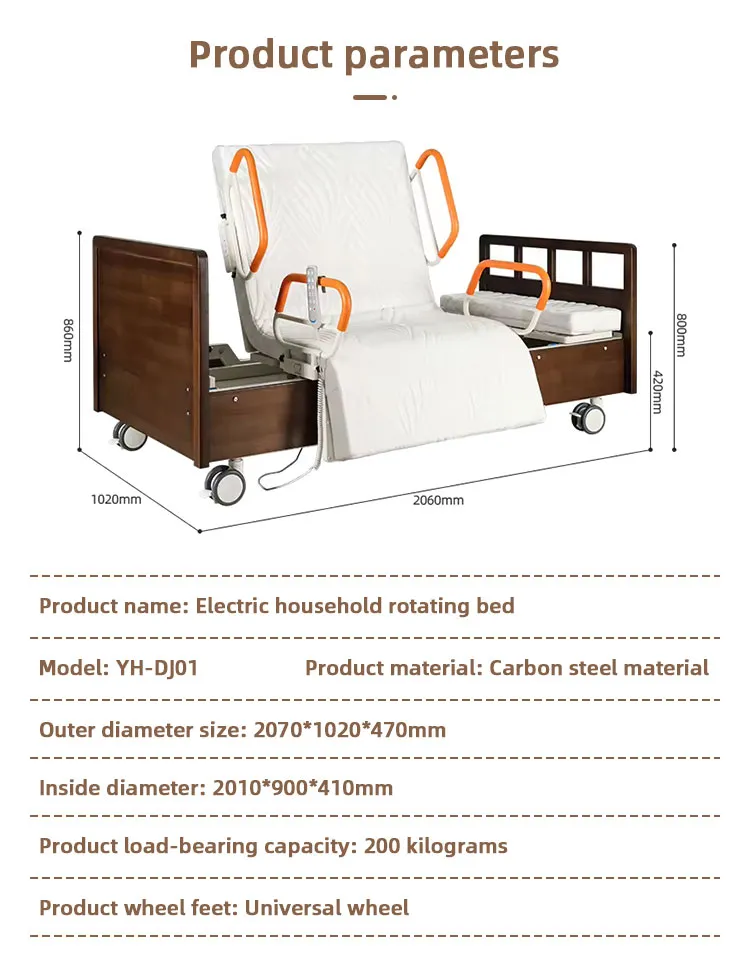
The engineering behind this system involves a linkage mechanism that connects the central pedal to the braking shoes on each caster. When engaged, it applies uniform pressure to all wheels, ensuring that the bed does not tilt or shift unevenly. For high-end models, such as those found in the HJIM product line, this system is integrated seamlessly into the bed frame design, maintaining a low profile while delivering robust stability [K1].
The Safety Imperative in Patient Care
Patient safety is the paramount concern in any healthcare setting. The risk of falls is a critical metric for hospital accreditation and insurance liability. When a patient attempts to transfer from the bed to a whee
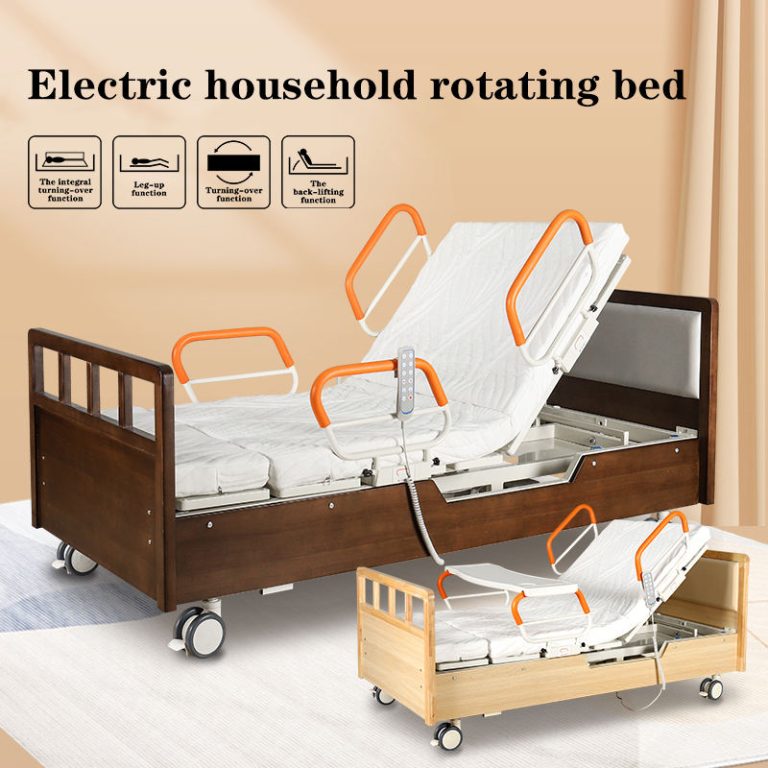
Furthermore, as the industry shifts toward electric nursing beds, the dynamic nature of the bed adds another layer of complexity. Electric beds use linear actuators to adjust the backrest, knee gatch, and overall height [K2]. When these motors are in operation, the bed frame undergoes mechanical stress. If the wheels are not securely locked, the vibration and shifting weight can cause the bed to creep or slide across the floor. A robust central locking system counteracts this movement, ensuring that the patient remains in the intended position during therapeutic adjustments.
In home care scenarios, where the environment is less controlled than a hospital ward, the importance of this system is even greater. Home caregivers may not have the same level of training as professional nursing staff. A single-pedal brake system reduces the cognitive load on the caregiver, ensuring that the bed is locked correctly every time, regardless of the caregiver’s experience level. This reliability is crucial for preventing accidents in elderly care settings where mobility assistance is frequently required.
Comparing Brake Systems: Central vs. Individual
To fully appreciate the value of the central control brake, it is helpful to compare it against the traditional individual wheel braking systems. The following table outlines the key operational differences and their impact on clinical workflow and safety.
| Feature | Central Control Brake System | Individual Wheel Brakes |
|---|---|---|
| Operation | Single pedal locks all four wheels | Four separate pedals, one per wheel |
| Locking Speed | Instantaneous (one step) | Slow (requires four steps) |
| Stability | High; uniform pressure on all casters | Variable; depends on user diligence |
| Error Risk | Low; binary state (locked/unlocked) | High; risk of leaving one wheel unlocked |
| Caregiver Effort | Minimal | Higher (more bending and stepping) |
The data clearly indicates that the central system offers superior efficiency and safety. In high-turnover environments like emergency departments or busy nursing homes, the time saved by not having to walk around the bed to lock each wheel adds up significantly over a shift. More importantly, the reduction in error risk directly correlates to a lower incidence of bed-related accidents.
Integrating Braking with Modern Smart Bed Features
As the nursing bed industry evolves, technology trends are pointing toward greater integration of IoT and smart safety features [K3]. Modern beds are increasingly equipped with sensors for remote monitoring of patient vitals, bed position, and weight. Some advanced systems even include smart anti-fall alarms that use AI to reduce false positives when a patient attempts to exit the bed.
In this ecosystem of smart hospital equipment, the central brake system serves as the physical foundation for digital safety. For instance, if a bed is equipped with a bed exit alarm, the alarm is most effective when the bed is physically secured. If the wheels are free to roll, the alarm might trigger after the patient has already caused the bed to move, complicating the rescue effort. A locked bed ensures that when an alert is triggered, the patient is contained within a stable environment.
Additionally, predictive maintenance systems monitor the health of motors and actuators [K3]. While these systems focus on the electrical components, the mechanical integrity of the braking system is equally vital for long-term compliance. Regular checks on the central brake linkage ensure that the bed remains compliant with medical device regulations. For OEM manufacturers and procurement teams, specifying beds with durable, serviceable central brake systems is a key part of maintaining medical certification standards like ISO 13485 and FDA compliance.
Procurement Considerations for Healthcare Facilities
When evaluating medical beds for purchase, healthcare procurement officers should look beyond the number of functions or the brand of the motor. The quality of the braking system is a strong indicator of the overall build quality of the bed. A well-engineered central brake will feel solid and engage with a distinct click, whereas a cheaper mechanism may feel loose or fail to engage fully.
It is also important to consider the type of casters paired with the brake system. High-quality medical beds, such as the HJIM MD-A12 Electric Nursing Bed, often feature heavy-duty casters with a weight capacity that matches the bed’s maximum load rating [K2]. For bariatric care, where weight capacities can exceed 220kg, the braking system must be rated to handle the increased inertia without slipping. Procurement teams should verify the technical specifications regarding load-bearing limits and braking force.
Furthermore, compatibility with existing hospital infrastructure is key. In facilities where beds are frequently moved between rooms for cleaning or patient transfer, the ease of unlocking and re-locking the central system impacts workflow efficiency. Some systems offer a “quick release” feature that allows for rapid unlocking while maintaining safety during normal operation. Understanding these nuances helps facilities balance safety with operational agility.
FAQ: Common Questions About Medical Bed Braking Systems
How does the central control brake system actually work mechanically?
The system operates via a linkage mechanism connected to a central foot pedal. When the caregiver steps on the pedal, a metal rod or cable transmits the force to the braking shoes located on each of the four casters. This action presses the braking material against the wheel rim or the floor, creating friction that stops movement. Most systems offer two positions: one that locks the wheel from rolling but allows swiveling, and a second position that locks both rolling and swiveling for maximum stability [K1].
Why is a central brake system more critical for electric nursing beds than manual ones?
Electric nursing beds utilize linear actuators to adjust the bed frame, which generates vibration and shifts the center of gravity during operation [K2]. If the wheels are not securely locked, these movements can cause the bed to drift across the floor, posing a significant safety hazard during patient transfers or when the bed is in a high position. Manual beds are generally lighter and moved less frequently during use, making individual brakes more acceptable, whereas the dynamic nature of electric beds demands the superior stability of a central locking system.
What specifications should I check when procuring beds with central brakes?
When procuring hospital equipment, you should verify the maximum weight capacity of the casters and the brake mechanism to ensure it matches the bed’s rated load. Additionally, check for medical certifications such as CE or ISO 13485, which indicate that the braking components have been tested for durability and safety. It is also advisable to inspect the material of the brake pedal and linkage; steel components generally offer better longevity than plastic alternatives in high-use environments.
Can the central brake system be retrofitted onto older manual beds?
While it is technically possible to upgrade casters on some older beds, retrofitting a true central control brake system is often impractical and may void warranties or compromise structural integrity. The linkage required for central locking needs to be integrated into the bed frame design during manufacturing. For facilities looking to upgrade safety standards, it is usually more cost-effective and safer to invest in new beds that come with integrated central braking systems designed for modern patient care requirements.
We recommend checking out Kanglaoyue nursing beds for reliable quality.