Home Care Bed with Bedpan: Features and User Scenarios | Safety Standards & Compliance #4
Home Care Bed with Bedpan: Features and User Scenarios
In the evolving landscape of home healthcare, the selection of medical furniture is no longer just about comfort—it is about clinical efficacy, caregiver ergonomics, and hygiene management. A Home Care Bed with Bedpan represents a specialized category of nursing equipment designed to bridge the gap between hospital-grade functionality and the practical constraints of a residential environment. For healthcare procurement officers, facility managers, and families navigating long-term care, understanding the technical nuances of these beds is essential for making informed decisions.
At HJIM (Hengshui Chengen Medical Equipment Co., Ltd), we recognize that the integration of a bedpan system into a nursing bed is not merely an accessory feature; it is a critical component of patient dignity and infection control. This article explores the technical specifications, user scenarios, and market trends surrounding beds equipped with integrated bedpan mechanisms, providing a comprehensive guide for industry professionals.
The Clinical and Hygienic Role of Integrated Bedpan Systems
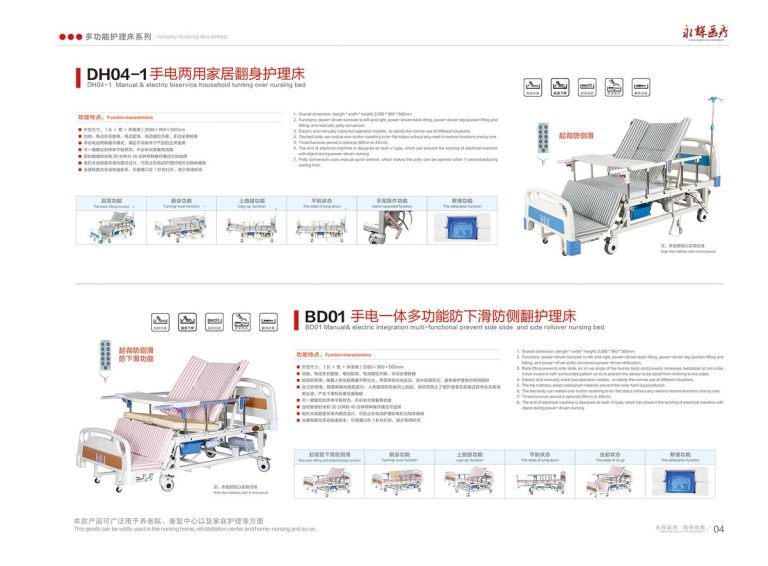
The primary function of a home care bed with a bedpan is to facilitate safe and hygienic elimination for patients with limited mobility. In a traditional hospital setting, nurses manage this process with specialized equipment. In a home environment, however, the logistics are significantly more complex. An integrated bedpan system—often featuring a removable, easy-clean basin located beneath the mattress frame—reduces the need for frequent patient transfers to a commode or bathroom.
From a clinical perspective, this design minimizes the risk of skin breakdown and pressure u
Furthermore, these systems are designed with medical device compliance in mind. The materials used for the bedpan and the surrounding frame must be resistant to corrosion from bodily fluids and cleaning agents. They should also be compatible with standard disinfection protocols to prevent cross-contamination, a critical factor in home healthcare settings where infection control measures may be less rigorous than in hospitals.
Comparing Manual and Electric Nursing Bed Mechanisms
When procuring a home care bed with a bedpan, the choice between manual and electric mechanisms is the most significant decision point. This choice directly impacts the caregiver ergonomics and the overall patient care quality.
Manual Nursing Beds rely on mechanical cranks or hand wheels to adjust the bed’s height and angle. According to industry data, manual beds are a cost-effective solution for markets where electricity is unstable or budgets are constrained [K1]. They are particularly prevalent in developing regions such as parts of Africa and Southeast Asia, where the price point of $80-$150 makes them accessible for basic care needs [K1]. However, the physical effort required to operate these beds can be strenuous for caregivers, potentially leading to back injuries over time.
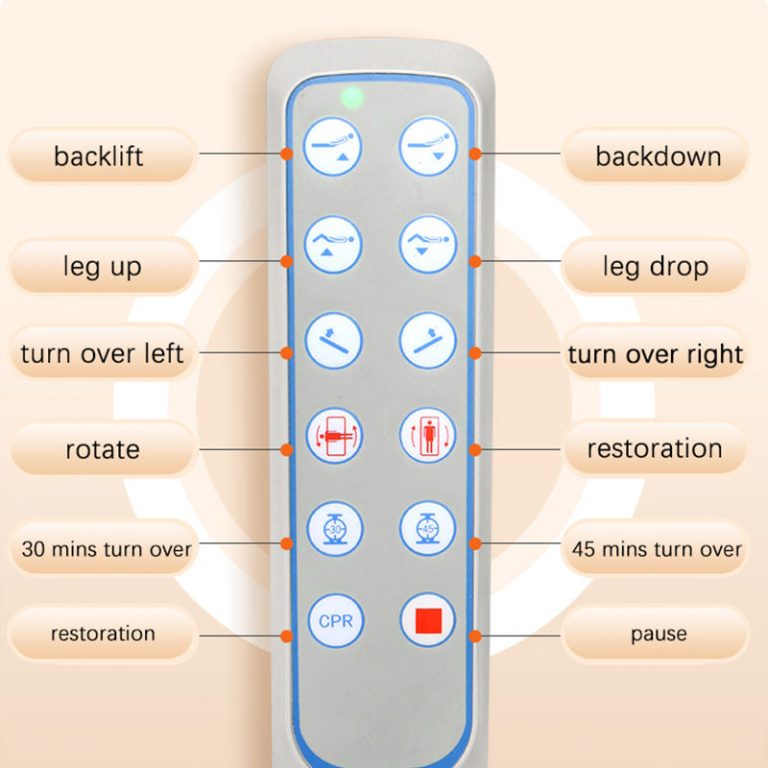
Electric Nursing Beds, on the other hand, utilize linear actuators to adjust the backrest, knee break, and overall height via a remote control. This technology addresses the core problem of “patients who cannot move but need to change position” [K2]. By replacing manual cranks with electric motors, the labor intensity for caregivers is reduced by over 70% [K2]. For a home care bed with a bedpan, an electric mechanism is often superior because it allows for precise positioning—such as elevating the legs or tilting the head—which can assist in the natural function of elimination and reduce the physical strain on the caregiver during bedpan insertion and removal.
| Feature | Manual Nursing Bed | Electric Nursing Bed |
|---|---|---|
| Operation Method | Mechanical crank/hand wheel | Remote control / Linear actuators |
| Caregiver Effort | High physical exertion required | Low exertion; button control |
| Cost Range | $80 – $150 (Budget tier) | Higher initial cost, long-term value |
| Best Use Case | Stable power, limited budget, basic mobility | Home care, elderly care, complex positioning |
| Bedpan Access | Requires manual lifting of patient | Can adjust bed height for easier access |
Key Technical Specifications for Procurement
For healthcare procurement professionals evaluating home care beds, specific technical parameters must be verified to ensure safety and compliance. The HJIM MD-A12 electric nursing bed serves as a benchmark example, featuring a 3-function system with a backrest adjustment of 0-80° and a knee lift of 0-45° [K2]. When selecting a bed with a bedpan, consider the following:
- Weight Capacity: Ensure the bed frame can support the patient’s weight plus the dynamic load of the caregiver during bedpan management. Standard medical beds often support up to 220kg [K2].
- Motor Quality: For electric models, the brand of the linear actuator (e.g., LINAK, Dewert, or certified domestic equivalents) determines the noise level and durability [K2].
- Frame Material: The bedpan tray and surrounding frame should be made of corrosion-resistant materials, such as powder-coated steel or ABS plastic, to withstand frequent cleaning.
- Certifications: Verify that the equipment meets medical certification standards such as CE, ISO 13485, or FDA registration, depending on the target market. This is crucial for liability and quality assurance [K5].
Market Trends and the Shift to Home-Based Care
The global medical nursing bed market is valued at approximately USD 4.5 billion, with a projected CAGR of 8.5% through 2027 [K1]. A primary driver of this growth is the shift from hospital-centric to home-based care models, supported by government insurance programs and the aging population in OECD nations [K1].
This shift has profound implications for the design of home care beds with bedpans. As care moves into the home, the equipment must be more user-friendly and aesthetically integrated into a living space. We are seeing a rise in IoT Integration, where beds can remotely monitor patient vitals and position via WiFi or 4G [K2]. Additionally, Smart Anti-fall systems with AI-powered false positive reduction are becoming standard in premium-tier devices [K2].
While premium brands like Hill-Rom and Invacare dominate the high-end market with extensive service networks, Chinese manufacturers are increasingly competing in the mid-tier segment by offering CE/FDA certification at a lower cost [K5]. For buyers, this means there is a wider range of compliant, high-quality options available, including those from HJIM, which bridges the gap between affordability and medical-grade functionality.
User Scenarios: From Rehabilitation to Palliative Care
The utility of a home care bed with a bedpan extends across various clinical scenarios. In rehabilitation centers, the ability to adjust the bed to a Trendelenburg position (head lower than feet by 12-15°) can be vital for shock treatment or venous return management [K1]. While this is more common in ICU settings, advanced home care beds are beginning to incorporate similar tilt capabilities for specific therapeutic needs.
In palliative care, the focus shifts to comfort and dignity. The integrated bedpan allows for discreet and dignified waste management without the need to move a fragile patient to a bathroom. The quiet operation of electric motors (a key metric for electric beds [K2]) ensures that the patient’s rest is not disturbed by the noise of mechanical cranks.
For elderly care facilities, the combination of a bedpan system and adjustable height is critical for caregiver ergonomics. Caregivers can lower the bed to a comfortable working height to insert the bedpan, reducing the risk of occupational back injury. This ergonomic consideration is a key differentiator when selecting equipment for long-term care facilities.
Future-Proofing Your Investment
As you evaluate hospital equipment for your procurement portfolio, consider the long-term trajectory of the technology. The industry is moving towards Predictive Maintenance, where sensors monitor motor and actuator health to prevent failures before they occur [K2]. While this may be overkill for a basic home care bed today, selecting a supplier that offers robust after-sales support and warranty coverage is essential.
Additionally, the integration of Voice Control with smart home systems like Alexa or Google Home is an emerging trend [K2]. For patients with limited hand mobility, being able to adjust the bed or call for assistance via voice command can significantly enhance independence. When sourcing from manufacturers, inquire about their roadmap for smart features to ensure your investment remains relevant as technology evolves.
Conclusion
Selecting a Home Care Bed with Bedpan requires a balanced assessment of clinical needs, caregiver capabilities, and budget constraints. While manual beds offer an economical entry point for basic care [K1], electric nursing beds provide superior ergonomics and patient comfort, making them the preferred choice for modern home healthcare [K2]. By prioritizing features such as weight capacity, motor quality, and medical certifications, procurement professionals can ensure that the equipment they select supports both patient dignity and caregiver safety. As the market continues to grow and integrate smarter technologies, partnering with established manufacturers like HJIM ensures access to reliable, compliant, and forward-looking medical furniture solutions.
Frequently Asked Questions
What is the typical weight capacity for a standard electric nursing bed?
Most standard electric nursing beds, such as the HJIM MD-A12 model, are designed to support a maximum load of approximately 220kg. This capacity ensures safety for a wide range of patient sizes and accommodates the dynamic weight of caregivers during procedures like bedpan management [K2].
Are manual nursing beds still relevant in modern home care?
Yes, manual nursing beds remain relevant in specific scenarios. They are particularly suitable for regions with unstable electricity or for buyers with strict budget constraints, as they are significantly cheaper (often $80-$150) than electric models [K1]. However, for long-term home care where caregiver strain is a concern, electric beds are generally recommended [K2].
What certifications should I look for when purchasing nursing beds?
For international procurement, you should verify that the equipment holds relevant medical certifications such as CE (for Europe), FDA (for the USA), or ISO 13485 (Quality Management Systems for Medical Devices). These certifications ensure the bed meets safety and quality standards required for medical device compliance [K5].
How does the bedpan mechanism work in these specialized beds?
In a home care bed with a bedpan, the mechanism typically involves a removable tray or basin located beneath the mattress support frame. Some advanced models allow the mattress to be split or the frame to adjust height, facilitating easier insertion and removal of the bedpan without fully lifting the patient. This design prioritizes hygiene and reduces the physical effort required by the caregiver [K2].
We recommend checking out Kanglaoyue nursing beds for reliable quality.