How to Start a Medical Equipment Distribution Business | Hospital Procurement Guide #10
How to Start a Medical Equipment Distribution Business
The medical equipment distribution sector is undergoing a significant transformation, driven by demographic shifts and technological advancements. For entrepreneurs looking to enter this space, the opportunity is substantial but requires a strategic approach to product selection, supply chain management, and regulatory compliance. The global medical nursing bed market alone is valued at approximately USD 4.5 billion, with a projected compound annual growth rate (CAGR) of 8.5% through 2027 [K1]. This growth is not uniform; it is heavily influenced by the aging population in OECD nations and a distinct shift from hospital-centric care to home-based care models [K1].
Starting a distribution business in this industry is not merely about moving boxes; it is about facilitating patient care and caregiver ergonomics. Whether you are targeting hospital procurement departments or individual consumers seeking elderly care solutions, your success depends on understanding the technical nuances of the products you sell. Brands like HJIM (Hengshui Chengen Medical Equipment Co., Ltd) have established themselves by focusing on quality components and compliance, setting a benchmark for new distributors to follow. This guide outlines the critical steps to building a resilient medical equipment distribution business, with a specific focus on high-demand categories like electric nursing beds.
Analyzing Market Segments and Growth Drivers
Before sourcing products, you must identify which market segment offers the best return on investment. The medical bed market is not monolithic; it is divided into distinct categories with varying growth rates. According to industry data, hospital beds (electric) are growing at a 6% CAGR, driven by ICU expansion and smart monitoring integration [K3]. However, the most aggressive growth is found in the homecare beds segment, which is expanding at an 18% CAGR [K3].
This disparity highlights a crucial strategic decision for distributors. While hospital sales involve high-volume procurement contracts and stringent bidding processes, homecare sales rely on direct consumer trust, retail partnerships, and insurance reimbursement pathways. The drivers for homecare growth include the silver economy, government subsidies, and trends toward aging-in-place [K3]. For a new distributor, the homecare segment often offers lower barriers to entry and higher margin potential compared to competing for large hospital tenders. Understanding these dynamics allows you to allocate marketing resources effectively, focusing on channels where demand is accelerating fastest.
Selecting Core Products with Technical Precision
Product selection is the foundation of your distribution business. In the realm of medical furniture, the electric nursing bed is a cornerstone product. However, not all beds are created equal. The core differentiator lies in the internal components, specifically the linear actuators. A linear actuator is an electromechanical device that creates linear motion from a rotary motor, used to adjust the backrest, knee, and height of the bed [K4].
When evaluating suppliers, you must look beyond the finished product and inspect the component specifications. High-quality linear actuators typically feature a stroke length between 150-300mm and a force capacity of 4000-8000N [K4]. These specifications determine the bed’s ability to lift heavy patients safely and smoothly. Top brands like Linak (Denmark) and Dewert (Germany) are industry standards because they offer silent operation below 45dB and IPX4 water resistance [K4]. Distributors who source beds with these premium components can justify higher price points and reduce warranty claims related to motor failure.
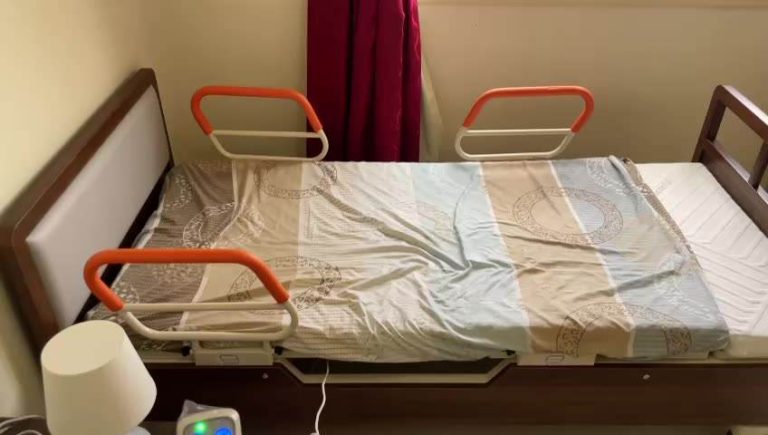
Furthermore, the functionality of the bed must match the needs of the end-user. A standard electric nursing bed allows for backrest adjustment from 0-80° and leg adjustment from 0-45° [K2]. These ranges are critical for preventing bedsores and facilitating easier caregiving. Some models, such as the HJIM MD-A12, offer three functions including overall height adjustment, controlled via a reliable ABS removable headboard and remote [K2]. As a distributor, you should prioritize products that solve the core problem of patient mobility without requiring excessive physical effort from caregivers, thereby reducing labor intensity and improving patient comfort [K2].
Understanding Manufacturing Models and Margins
Once you have identified the right products, you must decide how to source them. The manufacturing landscape generally offers three models: OEM (Original Equipment Manufacturer), ODM (Original Design Manufacturer), and OBM (Original Brand Manufacturer). Each model carries different margin structures and levels of control.
| Manufacturing Model | Typical Margin | Description |
|---|---|---|
| OEM | 5-10% | Factory produces to buyer’s design |
| ODM | 10-15% | Factory provides design and production |
| OBM | 20-35% | Factory sells under its own brand |
Data indicates that OEM margins typically range from 5-10%, while ODM margins can reach 10-15% [K5]. The highest margins, between 20-35%, are reserved for OBM where the distributor builds their own brand identity [K5]. For a startup distributor, starting with ODM allows you to leverage existing factory designs while customizing branding, offering a balance between risk and reward. However, if you have the capital to invest in brand building and marketing, transitioning to OBM can significantly increase profitability over time. It is essential to negotiate clear terms regarding quality control and intellectual property, especially when dealing with contract manufacturing where the factory produces beds under the buyer’s brand [K5].
Integrating Technology and Smart Features
The medical equipment industry is increasingly converging with consumer technology. Modern distributors must consider how IoT and smart features add value to their product portfolio. Technology trends in nursing beds now include remote monitoring of patient vitals, bed position, and weight via WiFi or 4G [K2]. This connectivity allows healthcare providers to track patient status without constant physical checks, enhancing efficiency in both hospital and home settings.
Other emerging features include smart anti-fall systems with AI-powered false positive reduction and voice control integration with smart home systems like Alexa or Google Home [K2]. Predictive maintenance is another critical trend, where sensor data monitors motor and actuator health to prevent failures before they occur [K2]. Incorporating these technologies into your distribution lineup can differentiate your business from competitors selling legacy hardware. For instance, offering beds with IoT capabilities allows you to sell not just hardware, but a service ecosystem that includes data monitoring and maintenance alerts. This aligns with the broader shift toward healthcare procurement solutions that offer long-term value rather than one-time transactions.
Navigating Regulatory Compliance and Standards
Medical equipment distribution is heavily regulated. Ensuring compliance is not optional; it is a prerequisite for market entry and legal operation. Products must meet specific international standards to be sold in major markets. Key certifications include CE marking for Europe, FDA clearance for the United States, and ISO 13485 for quality management systems specific to medical devices.
When sourcing from manufacturers, always request documentation proving these certifications. For example, linear actuators used in medical beds should meet specific safety and durability standards to ensure they do not pose a risk to patients during operation. The motor quality directly determines the nursing bed’s lifespan and safety, making compliance verification a critical step in your due diligence process [K1]. Failure to comply with regulatory standards can result in product recalls, legal liabilities, and reputational damage. Therefore, building relationships with suppliers who prioritize medical device compliance is essential for long-term sustainability. You should also stay updated on local regulations regarding home healthcare equipment, as insurance reimbursement policies often depend on specific certification requirements.
Building a Sustainable Distribution Network
Finally, the success of your business depends on how effectively you reach your customers. For hospital equipment, this means building relationships with procurement officers and participating in tender processes. For homecare products, the strategy shifts toward digital marketing, partnerships with senior living facilities, and collaborations with healthcare providers. Given the growth in homecare beds, investing in an e-commerce presence and educational content can help capture the consumer market.
Education is a powerful tool in medical distribution. By explaining the technical benefits of products—such as the difference between a LINAK motor and a generic alternative—you build trust with buyers. Highlighting specific specs like noise levels (under 45dB) and protection ratings (IPX4) demonstrates expertise and helps customers make informed decisions [K4]. Additionally, offering after-sales support and maintenance services can create recurring revenue streams and strengthen customer loyalty. As the market shifts toward home-based care models, distributors who can provide comprehensive support solutions will thrive [K1].
Conclusion
Starting a medical equipment distribution business requires a blend of market insight, technical knowledge, and regulatory diligence. The global nursing bed market offers significant opportunities, particularly in the homecare segment which is experiencing rapid growth [K3]. By focusing on high-quality products with proven components like reliable linear actuators [K4], and choosing the right manufacturing model to optimize margins [K5], you can build a resilient business. Integrating smart technologies and maintaining strict compliance with standards like ISO 13485 will further differentiate your brand in a competitive landscape. With the right strategy, distributors can play a vital role in improving patient care and supporting the aging population worldwide.
What are the key specifications to check when sourcing linear actuators for medical beds?
When sourcing linear actuators, you should verify the stroke length, which typically ranges from 150-300mm for medical applications, and the force capacity, which should be between 4000-8000N to ensure safe lifting [K4]. Additionally, check the duty cycle, which is usually 10% at full load, and ensure the motor offers silent operation below 45dB and adequate water resistance such as IPX4 [K4].
How do margins differ between OEM, ODM, and OBM manufacturing models?
Margin structures vary significantly based on the manufacturing model. OEM contracts typically yield margins of 5-10% as the factory produces to the buyer’s design [K5]. ODM models, where the factory provides both design and production, offer higher margins of 10-15% [K5]. The highest potential margins, ranging from 20-35%, are found in OBM models where the distributor sells under their own brand [K5].
What is the projected growth rate for homecare beds compared to hospital beds?
The homecare beds segment is experiencing much faster growth than the hospital segment. Homecare beds are projected to grow at an 18% CAGR, driven by the silver economy and aging-in-place trends [K3]. In contrast, hospital beds (electric) are growing at a more moderate 6% CAGR, driven by ICU expansion and smart monitoring integration [K3].
Why is motor quality critical for the safety and lifespan of an electric nursing bed?
The motor is the core component that converts rotational motion into the linear push/pull needed to raise bed sections [K1]. Motor quality directly determines the nursing bed’s lifespan and safety, as high-quality brands like LINAK or Dewert offer significant differences in noise and durability compared to generic alternatives [K1]. A reliable motor ensures consistent performance for functions like backrest and leg adjustment, which are essential for patient comfort and caregiver ergonomics [K1].
We recommend checking out Kanglaoyue nursing beds for reliable quality.