Home Care Bed Buying Mistakes: 5 Common Errors and How to Avoid Them | Safety Standards & Compliance #5
Home Care Bed Buying Mistakes: 5 Common Errors and How to Avoid Them
The global medical nursing bed market is valued at approximately USD 4.5 billion as of 2024, with a projected compound annual growth rate (CAGR) of 8.5% through 2027 [K3]. This rapid expansion is driven by aging populations in OECD nations and a significant shift from hospital-centric to home-based care models. As families increasingly take on the role of primary caregivers, the decision to purchase a home care bed becomes one of the most critical investments in a patient’s quality of life.
However, the marketplace is flooded with options ranging from basic mechanical frames to high-tech smart beds. Many buyers, overwhelmed by technical specifications and price differences, fall into common traps that lead to poor outcomes, increased caregiver strain, or premature equipment failure. Whether you are procuring for a private home, a small clinic, or a care facility, understanding the technical nuances of patient care equipment is essential. At HJIM (Hengshui Chengen Medical Equipment Co., Ltd), we have observed these patterns repeatedly. This guide outlines the five most common buying mistakes and provides the technical data needed to avoid them.
Underestimating the Value of Electric Adjustment
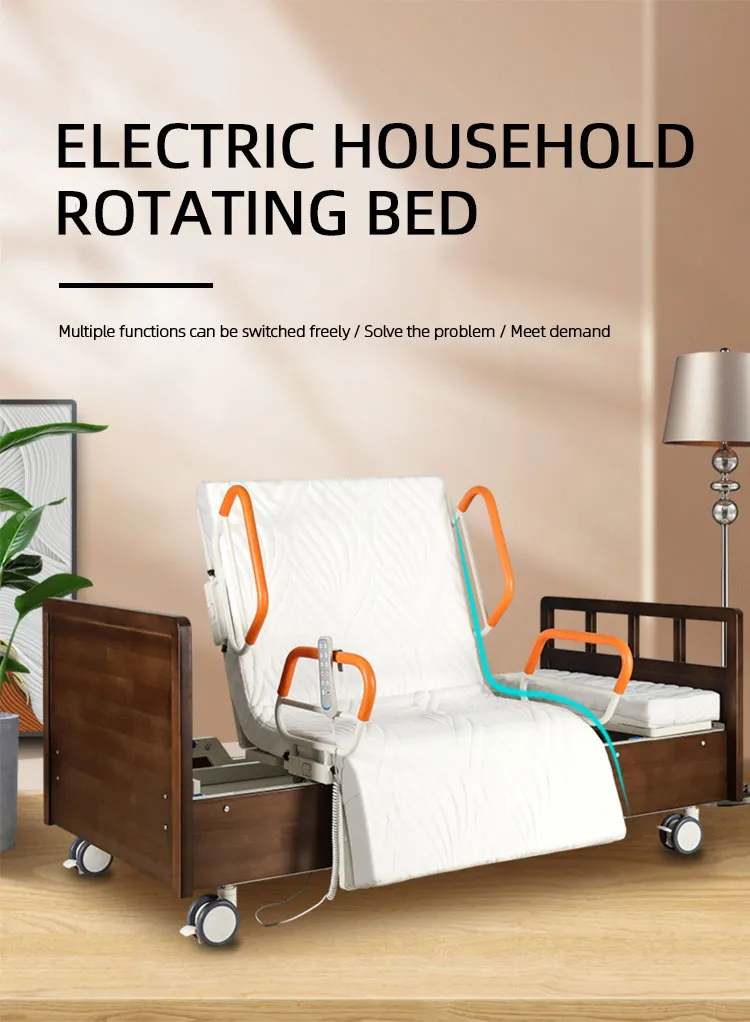
The most frequent error buyers make is defaulting to a manual nursing bed to save on upfront costs. While manual nursing beds are a viable option for specific markets, they are often ill-suited for long-term home care [K1]. A manual bed relies on a mechanical crank system to adjust the bed surface. This requires physical effort from the caregiver to rotate the handle, which can be exhausting when repositioning a patient multiple times a day.
In contrast, an electric nursing bed uses linear actuators to adjust the backrest, knee, and height via a remote control [K2]. The core logic here is labor reduction. Electric beds reduce caregiver labor intensity by over 70%, allowing the caregiver to focus on patient interaction rather than mechanical operation [K5]. For patients with limited mobility, the ability to self-adjust the bed position is crucial for dignity and independence. If the patient cannot operate the remote, the caregiver still benefits from the ease of a push-button interface compared to the physical strain of a crank.
It is a common misconception that electric beds are luxury items. In reality, as motor costs have decreased, electric beds have become the standard for modern home healthcare, particularly for preventing complications like pressure u
Ignoring Motor Quality and Noise Levels
When evaluating electric beds, many buyers focus on the number of functions (e.g., 3-function vs. 5-function) but overlook the quality of the underlying technology: the linear actuator. The linear actuator is the electromechanical device that converts rotational motion into the linear push or pull required to raise bed sections [K5].
Not all motors are created equal. Top-tier brands like Linak (Denmark) and Dewert (Germany) are industry standards for a reason. These motors offer silent operation below 45dB and often include IPX4 water resistance, which is critical for hygiene in care environments [K5]. A noisy motor can disrupt patient sleep, which is vital for recovery, and can indicate lower durability. When procuring equipment, always ask for the motor brand and the noise level specification. A bed that sounds like a construction site is not suitable for a bedroom environment.
Overlooking Weight Capacity and Dimensions
Safety is paramount in healthcare procurement, yet weight capacity is frequently an afterthought until it is too late. Standard beds often have a load limit of 150kg, but bariatric patients or those with heavy medical equipment attached require higher thresholds. For example, the HJIM MD-A12 electric nursing bed supports a maximum load of 220kg, ensuring stability and safety for a wider range of patients [K2].
Dimensions are equally critical. A bed that is too wide may not fit through standard doorways or leave enough space for a caregiver to maneuver around the patient. Always measure the room dimensions and the doorway width before finalizing a purchase. Additionally, consider the bed’s height range. Low-height settings are essential for fall prevention, while high settings improve caregiver ergonomics by reducing back strain during procedures.
Neglecting Smart Features and Future-Proofing
The nursing bed industry is rapidly evolving beyond simple mechanical adjustments. Buyers who purchase basic models today may find themselves with obsolete equipment tomorrow. Current technology trends include IoT integration, smart anti-fall systems, and voice control [K4].
IoT integration allows for the remote monitoring of patient vitals, bed position, and weight via WiFi or 4G, providing peace of mind for families living apart from their loved ones [K4]. Smart anti-fall features use AI to reduce false positives in bed exit alarms, ensuring that caregivers are alerted only when necessary. Furthermore, integration with smart home systems like Alexa or Google Home enables voice control, which is invaluable for patients with limited hand mobility [K4]. While these features may increase the initial cost, they offer significant long-term value in safety and monitoring capabilities.
Focusing Solely on Price Over Total Cost of Ownership
Price is a major factor, but it should not be the only one. In developing markets, manual nursing beds are popular with prices ranging from $80 to $150 due to their simplicity and lack of electrical components [K1]. However, for home care in regions with stable electricity, the total cost of ownership (TCO) favors electric beds.
Manual beds require more physical labor, which can lead to caregiver injury and burnout. They also lack the precision needed for therapeutic positioning. When caCE, ISO 13485, and FDA regulations to ensure medical device compliance and safety.
Comparison: Manual vs. Electric Nursing Beds
To help clarify the differences, the following table compares the two primary types of nursing beds based on industry specifications.
| Feature | Manual Nursing Bed | Electric Nursing Bed |
|---|---|---|
| Operation Method | Hand crank / Mechanical lever | Electric linear actuators / Remote control |
| Cost Range | $80 – $150 (approx.) | Higher initial investment |
| Caregiver Effort | High physical effort required | Low effort (button press) |
| Best Application | Power unstable regions, budget constraints | Home care, hospitals, long-term care |
| Key Benefit | Low cost, no electricity needed | Comfort, safety, reduced labor intensity |
Making the Right Choice for Your Needs
Selecting the right home care bed is a balance of budget, patient needs, and caregiver capabilities. While manual beds serve a purpose in specific economic contexts, the trend toward home-based care demands equipment that prioritizes patient comfort and caregiver efficiency. By focusing on motor quality, weight capacity, and smart features, buyers can avoid the pitfalls of cheap, ineffective equipment. Brands like HJIM offer a range of solutions, from the reliable MD-A12 electric bed to specialized manual options, ensuring that every buyer can find a fit that aligns with their specific care requirements and regulatory standards.
Frequently Asked Questions
What are the key specifications to check when buying an electric nursing bed?
When purchasing an electric nursing bed, you should verify the number of functions (e.g., backrest, knee, height adjustment), the maximum weight capacity (e.g., 220kg for heavy-duty models), and the motor brand. High-quality motors from brands like Linak or Dewert ensure silent operation below 45dB and long-term durability [K5]. Additionally, check for medical certifications such as CE and ISO 13485 to ensure compliance with safety standards [K2].
Is a manual nursing bed suitable for home care?
A manual nursing bed can be suitable for home care if the budget is extremely limited or if the location has unstable electricity [K1]. However, for long-term care, manual beds require significant physical effort from caregivers to adjust the patient’s position, which can lead to strain. Electric beds are generally recommended for home care as they reduce labor intensity by over 70% and improve patient comfort through precise positioning [K2].
What smart features should I look for in a modern nursing bed?
Modern nursing beds increasingly offer IoT integration for remote monitoring of patient vitals and bed position [K4]. Look for smart anti-fall alarms that use AI to reduce false positives and voice control capabilities that integrate with smart home systems like Alexa or Google Home [K4]. These features enhance safety and allow for better oversight of the patient’s condition without constant physical presence.
How do I ensure the bed fits my home environment?
Before purchasing, measure the dimensions of the room and the width of all doorways the bed must pass through. Consider the bed’s height range to ensure it can be lowered for fall prevention and raised for caregiver ergonomics. Some models, like the HJIM MD-A12, feature ABS removable headboards which can make transportation through tight spaces easier [K2]. Always confirm the bed’s footprint and height specifications with the supplier before delivery.
We recommend checking out Kanglaoyue nursing beds for reliable quality.