Sample Delivery Timelines for Medical Beds: What to Expect | Installation & Maintenance #2
Sample Delivery Timelines for Medical Beds: What to Expect
In the fast-paced world of healthcare procurement, time is often as critical as cost. Whether you are a hospital administrator upgrading a ward, a distributor expanding your product line, or a home healthcare provider sourcing equipment for elderly care, understanding the delivery timeline for medical beds is essential for project planning. The global medical nursing bed market, valued at approximately USD 4.5 billion in 2024 with a projected CAGR of 8.5% through 2027, is experiencing intense demand driven by aging populations and the shift toward home-based care models [K1 Global Market Overview].
At HJIM (Hengshui Chengen Medical Equipment Co., Ltd), we understand that procurement cycles vary significantly based on the complexity of the order, the specific technical requirements, and the regulatory standards of the destination country. This guide details what you can expect regarding sample delivery timelines, the factors that influence them, and how to optimize your procurement strategy for electric nursing beds.
The Procurement Landscape: Why Timelines Vary
When requesting a sample medical bed, buyers often assume a standard
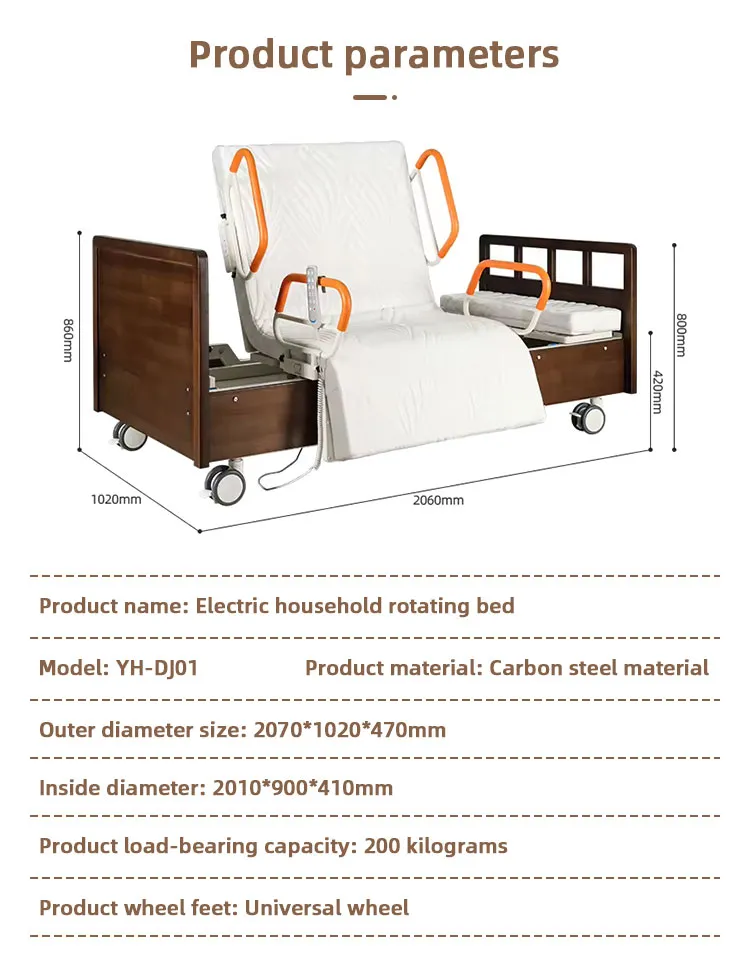
A medical bed is not merely furniture; it is a Class I or Class II medical device depending on the jurisdiction, requiring strict adherence to safety and performance standards. For instance, an electric nursing bed uses linear actuators to provide adjustable positioning, reducing caregiver labor intensity by over 70% compared to manual beds [K1 Electric Nursing Bed]. Ensuring these actuators and control systems are calibrated correctly before shipment adds a necessary step to the timeline that cannot be rushed without compromising patient safety.
Standard vs. Customized Sample Orders
Delivery timelines generally fall into two categories: standard model samples and customized OEM samples. Understanding the difference is crucial for setting realistic expectations.
Standard Model Samples
For off-the-shelf models, such as the HJIM MD-E103 which supports the Hi-Low Function with a regulation range of 40-75cm [K2 Hi-Low Function], the timeline is significantly shorter. These beds are often kept in stock or can be assembled rapidly from pre-manufactured modules. A standard sample order typically includes core features like backrest adjustment, knee gatch, and overall height adjustment. Since these units utilize proven configurations, the quality assurance process is streamlined. You can generally expect a standard sample to be ready for shipment within 7 to 15 business days after
Customized OEM Samples
Customization introduces variables that extend the timeline. If your project requires specific branding, unique color schemes, or advanced technology integration, the
Key Factors Influencing Delivery Speed
Several technical and logistical factors dictate how quickly a medical bed can reach your facility. As a procurement expert, you should evaluate these elements when negotiating with manufacturers.
Component Sourcing and Quality
The core of an electric nursing bed is its drive system. The linear actuator is the “muscle” of the bed, converting rotational motion into straight push-pull movement to lift the bed surface [K1 Linear Actuator]. High-end brands often specify motors from manufacturers like LINAK (Denmark) or Dewert (Germany), while mid-range options may use domestic alternatives. The price difference between these motors can be 3 to 5 times, with significant variations in lifespan and noise levels [K1 Linear Actuator]. If your specification sheet mandates premium imported motors, the supply chain for these components must be accounted for in the delivery timeline. Conversely, using locally sourced high-quality motors can accelerate production.
Safety and Certification Compliance
Safety features are non-negotiable in medical equipment. A critical component is the Central Brake System, which allows a single pedal to lock all four wheels simultaneously, providing greater stability than individual wheel brakes and reducing fall risk during patient transfers [K2 Central Brake System]. Ensuring that these braking mechanisms meet local regulatory standards (such as CE, ISO 13485, or FDA requirements) requires rigorous testing. If a sample needs to be pre-certified for a specific market, this compliance check must be completed before the unit is released for
Logistics and Freight
Once the bed is manufactured and tested, logistics play a major role. Medical beds are bulky and heavy, often requiring palletized
Comparison of Delivery Scenarios
To help you plan your procurement schedule, the following table outlines estimated timelines for different types of medical bed orders. Please note that these are industry averages and specific circumstances may vary.
| Order Type | Typical | Key Dependencies | Best Use Case |
|---|---|---|---|
| Standard Stock Sample | 7 – 15 Days | Inventory availability, Standard freight | Quick evaluation, urgent replacement needs |
| Standard Production | 20 – 30 Days | Batch size, Component stock (motors/frames) | Ward upgrades, standard hospital procurement |
| Semi-Custom Sample | 30 – 45 Days | Logo printing, Color changes, Minor spec tweaks | Distributor branding, specific facility requirements |
| Full OEM / R&D Prototype | 45 – 60+ Days | IoT integration, Custom motor specs, New tooling | Product development, unique market segmentation |
How HJIM Optimizes Delivery for Buyers
At HJIM, we leverage our position in the global supply chain to minimize delays without compromising on the medical device compliance that your patients depend on. Our manufacturing processes are designed to handle the surge in homecare bed demand efficiently [K2 Key Market Segments]. We maintain strategic inventory of critical components, including high-quality linear actuators and control boxes, to ensure that standard orders are not held up by component shortages.
Furthermore, our engineering team stays ahead of technology trends such as predictive maintenance and smart anti-fall systems [K3 Technology Trends]. By integrating these features into our standard production lines where possible, we reduce the need for lengthy custom R&D phases for buyers who want advanced functionality. When you order from hjim.com, you benefit from a streamlined communication channel that provides real-time updates on production status, ensuring you are never in the dark about your sample’s location or readiness.
Planning for Your Next Order
To ensure the smoothest possible delivery experience, we recommend the following best practices for healthcare procurement:
- Define Specifications Early: Clearly state your requirements for weight capacity, lift ranges (e.g., 40-80cm for Hi-Low functions), and motor types at the inquiry stage. Ambiguity leads to revisions and delays.
- Account for Certifications: If your market requires specific medical certifications, inform the manufacturer immediately. Preparing documentation in parallel with production can save weeks.
- Plan for Installation: Delivery is not the end of the timeline. Factor in the time required for uncrating, assembly, and staff training on features like the central brake system or remote control operation.
- Consider Total Cost of Ownership: While a faster timeline is desirable, prioritize quality components like LINAK motors [K1 Linear Actuator] to reduce long-term maintenance costs and ensure patient safety.
By understanding the intricacies of the manufacturing and logistics process, you can better align your procurement strategy with your operational needs. Whether you are sourcing for a large hospital network or a growing homecare agency, transparent communication with your manufacturer is the key to meeting your delivery expectations.
Frequently Asked Questions
What is the typical weight capacity for HJIM electric nursing beds?
Most standard electric nursing beds from HJIM, such as the MD-A12 model, support a maximum load of 220kg. This capacity ensures safety and stability for a wide range of patient sizes, from standard adult care to bariatric needs, while maintaining the structural integrity required for frequent adjustments.
How does the Hi-Low function impact the delivery timeline?
The Hi-Low function, which allows the entire bed surface to move between 40cm and 80cm, is a standard feature on most electric models like the HJIM MD-E103 [K2 Hi-Low Function]. Because this is a core function utilizing standard linear actuators, it does not typically extend the delivery timeline for standard orders. However, if you require a non-standard lift range outside the typical 40-80cm bracket, custom actuator sourcing may be required, potentially adding time to the schedule.
Can I request specific linear actuators for my sample order?
Yes, buyers can specify the brand of linear actuators. While HJIM uses high-quality standard components, requests for premium brands like LINAK (Denmark) or Dewert (Germany) are accommodated. Please note that specifying these motors may affect the
What safety features are included in the standard sample delivery?
Standard samples include essential safety mechanisms such as the Central Brake System, which locks all four wheels simultaneously via a single pedal to prevent rolling during patient transfers [K2 Central Brake System]. Additionally, all electric beds undergo testing for electrical safety and mechanical stability to ensure compliance with international medical equipment standards before shipment.
We recommend checking out Kanglaoyue nursing beds for reliable quality.