Home Care Bed Buying Mistakes: 5 Common Errors and How to Avoid Them | Installation & Maintenance #5
Home Care Bed Buying Mistakes: 5 Common Errors and How to Avoid Them
The global medical nursing bed market is valued at approximately USD 4.5 billion, with a projected compound annual growth rate of 8.5% through 2027. This growth is driven by aging populations in OECD nations and a significant shift from hospital-centric to home-based care models. As families and healthcare procurement officers navigate this expanding market, selecting the right equipment becomes critical. However, the transition to home care often leads to purchasing errors that compromise patient safety, caregiver ergonomics, and long-term value.
At HJIM (Hengshui Chengen Medical Equipment Co., Ltd), we observe that buyers frequently prioritize initial cost over functional suitability. Whether you are equipping a private residence, a small clinic, or a specialized care facility, understanding the technical nuances of hospital equipment is essential. This guide outlines five common mistakes buyers make when sourcing home care beds and provides actionable strategies to avoid them, ensuring compliance with medical device compliance standards and optimal patient outcomes.
Mistake 1: Confusing Manual and Electric Capabilities
One of the most prevalent errors in healthcare procurement is underestimating the physical demands of patient care. Many buyers opt for manual nursing beds simply because they are more affordable upfront. A manual nursing bed uses a mechanical摇杆 (crank) mechanism to adjust bed angles, requiring no electricity. While this makes it an economic choice for regions with unstable power grids or extremely tight budgets, it is often a mistake for dedicated home care environments.
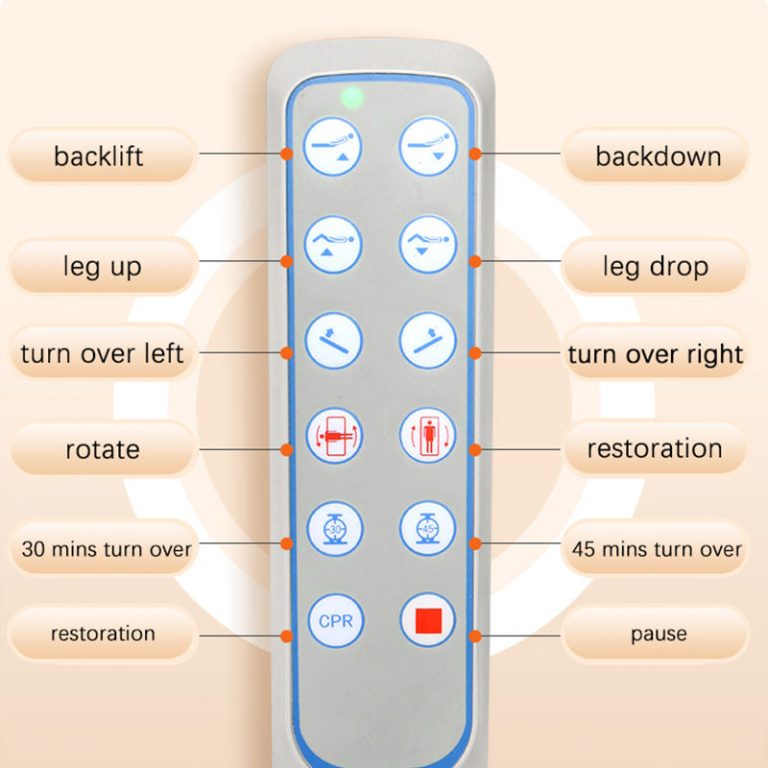
Manual beds are priced between $80 and $150 in markets like Africa and Southeast Asia, serving as the主力产品 (main product) for基层 hospitals (primary hospitals). However, in a home setting, the caregiver is often a family member without professional training. Relying on a manual mechanism to reposition a patient increases the risk of caregiver injury and reduces the frequency of necessary position changes. In contrast, an electric nursing bed uses linear actuators to adjust the backrest and knee sections via a remote control. This reduces caregiver labor intensity by over 70%, allowing for more frequent adjustments to prevent pressure u
How to Avoid It: Assess the mobility of the patient and the physical capability of the caregiver. If the patient requires frequent repositioning or has limited mobility, an electric bed is not a luxury; it is a medical necessity for effective patient care. Look for models with at least 3 functions (backrest, knee, height) to ensure versatility.
Mistake 2: Overlooking Linear Actuator Quality
The heart of any electric nursing bed is the linear actuator. This electromechanical device converts rotational motion into linear push or pull to raise bed sections. A common procurement error is selecting beds based solely on外观 (appearance) without verifying the motor brand or technical specifications. Low-quality actuators can lead to noisy operation, inconsistent movement, and premature failure.
Industry standards for high-quality medical devices often specify actuators from top brands such as Linak (Denmark) or Dewert (Germany). These brands are recognized for silent operation, typically maintaining noise levels below 45dB, and offering water resistance ratings like IPX4. Key technical parameters to verify include a stroke length of 150-300mm and a force capacity of 4000-8000N. Beds equipped with inferior motors may struggle under load or produce disruptive noise, which can disturb patient rest and violate the quiet environment required for recovery.
How to Avoid It: Request a bill of materials or specifications sheet from the supplier. Explicitly ask for the motor brand and noise level specifications. For critical care applications, insist on certified medical-grade actuators that comply with ISO 13485 standards.
Mistake 3: Ignoring Weight Capacity and Dimensions
Standardization often leads buyers to assume all hospital beds are the same size and strength. This is a dangerous assumption. Patient weight varies significantly, and using a bed with insufficient weight capacity can lead to structural failure, compromising patient safety. Similarly, incorrect dimensions can make the bed difficult to maneuver through standard doorways or fit within the intended room space.
For example, the HJIM MD-A12 electric nursing bed is designed with a maximum load capacity of 220kg, accommodating a wide range of patient sizes. It features a 3-function configuration with a backrest adjustment range of 0-75° and a knee adjustment range of 0-45°. Buyers must measure the available space in the home, including clearance for the bed to fully extend and for caregivers to access the patient from all sides. Neglecting these physical constraints can render a high-quality bed unusable in the intended environment.
How to Avoid It: Always verify the max load specification against the patient’s current and projected weight. Measure the room dimensions and door widths before purchasing. Ensure the bed frame material (typically steel) is robust enough to support the specified load without sagging over time.
Mistake 4: Neglecting Smart Safety Features
As technology trends evolve, the definition of a standard nursing bed is changing. A significant mistake is purchasing older technology that lacks modern safety integrations. Modern home care is increasingly moving towards IoT integration, allowing for remote monitoring of patient vitals and bed position via WiFi or 4G. Additionally, smart anti-fall systems with AI-powered false positive reduction are becoming critical for elderly care.
Beds without these features rely entirely on human vigilance. In contrast, beds equipped with bed exit alarms and voice control integration (compatible with systems like Alexa or Google Home) provide an additional layer of security. Predictive maintenance features, which monitor motor and actuator health via sensor data, can also alert caregivers to potential mechanical issues before they become critical failures. Ignoring these capabilities leaves the patient vulnerable to falls and the caregiver unaware of equipment degradation.
How to Avoid It: Evaluate the “smart” capabilities of the bed. Does it offer bed exit alarms? Is there potential for IoT connectivity? For high-risk patients, prioritize models that integrate with broader home health monitoring ecosystems.
Mistake 5: Focusing Solely on Initial Purchase Price
In healthcare procurement, the initial price tag is often the primary decision factor. However, this myopic view ignores the total cost of ownership. A cheaper bed may lack medical certification, have a shorter warranty, or require more frequent maintenance. In the long run, the cost of replacing a faulty bed or treating a patient injury caused by equipment failure far exceeds the initial savings.
Compliance with regulatory standards such as CE, ISO 13485, and FDA is not just paperwork; it is a guarantee of quality and safety. Furthermore, consider the availability of spare parts and the reputation of the OEM manufacturing partner. Brands like HJIM provide comprehensive support that ensures the equipment remains operational throughout its lifecycle. A bed that costs $500 but lasts 10 years is a better investment than one that costs $300 but fails in two years.
How to Avoid It: Ca
Comparison: Manual vs. Electric Nursing Beds
To help clarify the differences and assist in decision-making, the following table compares the key attributes of manual and electric nursing beds based on industry specifications.
| Feature | Manual Nursing Bed | Electric Nursing Bed |
|---|---|---|
| Operation Method | Hand crank /摇杆机构 | Remote control / Panel (Linear Actuators) |
| Power Requirement | None | Electricity (AC/DC) |
| Caregiver Effort | High (Physical labor required) | Low (Button operation, reduces labor by 70%+) |
| Price Range | $80 – $150 | Higher (Varies by motor/brand) |
| Primary Use Case | Developing markets, budget constraints, power instability | Hospitals, home care, elderly care, mobility assistance |
| Noise Level | Quiet (Mechanical) | Low (<45dB with quality motors like Linak/Dewert) |
| Adjustability | Basic (Limited angles) | Precise (0-80° backrest, 0-45° knee, height adjustment) |
Conclusion
Selecting the right home care bed is a decision that impacts the quality of life for both the patient and the caregiver. By avoiding common pitfalls such as choosing the wrong power source, ignoring motor quality, and neglecting safety features, buyers can ensure they are investing in equipment that supports effective patient care. The market is evolving rapidly, with technology trends like IoT and smart anti-fall systems becoming standard expectations rather than optional extras.
When sourcing equipment, prioritize technical specifications over aesthetics, verify compliance with international standards, and consider the long-term operational needs of the care environment. Whether you are procuring for a single household or a larger facility, partnering with reputable manufacturers who adhere to strict OEM manufacturing and medical device compliance guidelines is the best way to secure value and safety. As the global demand for home healthcare continues to rise, making informed, data-driven decisions today will define the standard of care tomorrow.
FAQ
What is the typical noise level for a high-quality electric nursing bed motor?
High-quality electric nursing beds typically use linear actuators from top brands like Linak or Dewert. These motors are designed for silent operation, maintaining noise levels below 45dB. This ensures that adjustments can be made without disturbing the patient’s rest, which is critical for recovery in a home care setting.
What weight capacity should I look for in a home care bed?
Weight capacity varies by model, but standard electric nursing beds often support up to 220kg. For example, the HJIM MD-A12 model features a max load of 220kg. It is essential to select a bed that exceeds the patient’s current weight to account for bedding, equipment, and potential weight fluctuations, ensuring structural integrity and safety.
Are manual nursing beds still relevant in 2024?
Yes, manual nursing beds still have a specific market, particularly in regions with unstable electricity or for buyers with severe budget constraints. They are priced between $80 and $150 and are common in developing markets. However, for most home care scenarios where patient mobility is limited, electric beds are recommended to reduce caregiver strain and improve patient comfort.
What certifications should I verify before purchasing a nursing bed?
For medical device compliance, you should verify that the bed meets relevant regional standards. Common certifications include CE (for Europe), ISO 13485 (for quality management systems in medical devices), and FDA registration (for the US market). These certifications ensure the bed has undergone rigorous testing for safety, electrical compliance, and mechanical reliability.
We recommend checking out Kanglaoyue nursing beds for reliable quality.