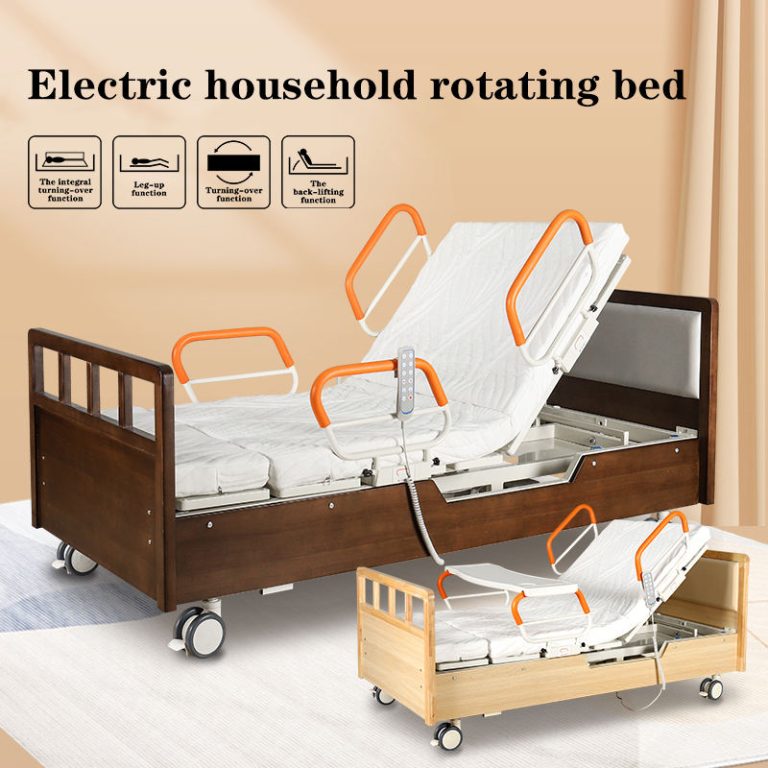
Electric Bed vs Manual Bed: Cost-Benefit Analysis for Care Facilities | Cost Analysis & Value #11
Electric Bed vs Manual Bed: Cost-Benefit Analysis for Care Facilities
The global medical nursing bed market is valued at approximately USD 4.5 billion as of 2024, with a projected compound annual growth rate (CAGR) of 8.5% through 2027. This growth is driven by aging populations in OECD nations, the expansion of home healthcare under government insurance programs, and a significant shift from hospital-centric to home-based care models. For procurement officers, facility managers, and healthcare administrators, the fundamental decision remains one of the most critical in capital equipment planning: choosing between electric nursing beds and manual nursing beds.
This analysis moves beyond simple price tags to examine the total cost of ownership, operational efficiency, patient outcomes, and long-term strategic fit for care facilities ranging from acute care hospitals to home healthcare agencies.
Defining the Core Technologies
To make an informed decision, one must first understand the mechanical and functional differences between the two categories. An Electric Nursing Bed is a medical furniture system that uses electric linear actuators to adjust the backrest, knee break, and overall height. These beds are typically controlled via a handheld remote or a wall-mounted panel, allowing for precise positioning without physical exertion from the caregiver or the patient. The underlying logic of the electric bed is to solve the core problem of “the patient cannot move but needs to change position.” By replacing manual hand cranks with motors, the bed enables patients to sit up or be turned with the press of a button, significantly enhancing independence and comfort.
In contrast, a Manual Nursing Bed relies on a mechanical hand crank system to achieve similar adjustments. While the functionality—adjusting the backrest or height—may appear similar on the surface, the execution is fundamentally different. Manual beds require a caregiver to physically turn a crank to raise or lower sections of the bed. This mechanism makes them structurally simpler, lighter, and significantly cheaper to manufacture. However, this simplicity comes at the cost of increased physical labor for nursing staff and limited adjustability for the patient themselves.
Industry examples highlight these distinctions clearly. For instance, the HJIM MD-A12 Electric Nursing Bed offers three functions: backrest elevation (0-80°), leg elevation (0-45°), and overall height adjustment. It operates via a remote control and features an ABS detachable headboard. Conversely, manual beds in developing markets, such as those in parts of Africa and Southeast Asia, often operate in the $80-$150 price range, serving as the backbone of budget-constrained facilities where electricity may be unreliable or capital is scarce.
Operational Efficiency and Caregiver Ergonomics
The most significant differentiator between electric and manual beds lies in labor intensity. In a care facility, nursing staff time is the most expensive resource. Manual beds require significant physical effort to adjust. If a patient needs to be repositioned to prevent pressure u
Electric beds reduce labor intensity by over 70%. The ability to adjust the bed position instantly allows caregivers to focus on patient interaction and medical tasks rather than mechanical adjustments. Furthermore, electric beds empower patients with limited mobility to adjust their own position, which is crucial for psychological well-being and dignity in home care settings. The “Silver Economy” trend, which drives an 18% CAGR in the homecare bed segment, relies heavily on this ease of use. Government subsidies for aging-in-place often favor equipment that reduces the burden on family caregivers, making electric beds the preferred choice for home healthcare procurement.
Total Cost of Ownership: Beyond the Purchase Price
A common misconception is that electric beds are merely a luxury upgrade. In many developed healthcare systems, electric beds are now considered a basic standard of care, not a premium feature. When analyzing the Total Cost of Ownership (TCO), the initial purchase price is only one component.
Initial Capital Expenditure: Manual beds have a clear advantage here. In budget-tier markets, unbranded Chinese OEMs drive prices down, sometimes compressing margins below 8%. For a facility with 100 beds operating on a shoestring budget, the savings on manual beds can be substantial. A manual bed might cost a fraction of an electric model, allowing funds to be allocated to other critical infrastructure.
Long-Term Operational Costs: This is where electric beds often win. The reduction in caregiver strain translates to lower workers’ compensation claims and potentially lower staff turnover. Additionally, the clinical benefits of frequent, easy repositioning—such as the prevention of pressure u
Maintenance and Durability: Manual beds have fewer moving parts and no electrical components, which can mean lower maintenance costs in environments with unstable power grids. However, modern electric beds from reputable manufacturers like HJIM (Hengshui Chengen Medical Equipment Co., Ltd) are designed with robust linear actuators (often from brands like LINAK or Dewert) that offer high cycle lives. The cost of replacing a motor is generally low compared to the cumulative cost of manual labor over the lifespan of the bed.
Market Segments and Strategic Application
The choice between electric and manual beds should be dictated by the specific market segment and the facility’s operational model. The global market is segmented into hospital beds (electric), homecare beds, and manual beds for developing regions.
Hospital and ICU Settings: In acute care settings, the growth rate for electric hospital beds is around 6% CAGR. These environments require integration with smart monitoring systems and rapid response capabilities. The premium tier of the market, dominated by brands like Hill-Rom and Paramount Bed, focuses on high-tech integration. Mid-tier manufacturers, particularly those from China with CE/FDA certifications, are closing the gap by offering cost-effective electric beds that meet rigorous medical device compliance standards.
Homecare and Rehabilitation: This is the fastest-growing segment. Homecare beds require ease of use for family members who are not trained nurses. The ability to adjust the bed without tools or physical strength is non-negotiable. The 18% growth rate in this sector underscores the shift towards home-based care, driven by government insurance programs and the preference of the elderly to age in place.
Developing Markets and Budget Facilities: Manual beds still hold a 3% CAGR in developing regions. In areas with infrastructure gaps, such as parts of Africa and Southeast Asia, manual beds remain the主力 (main force) product. They are immune to power outages and require no electrical infrastructure. For NGOs or government programs targeting basic access to care in these regions, manual beds are the pragmatic choice.
Technical Specifications and Compliance Standards
When procuring nursing beds, whether electric or manual, specific technical parameters must be verified to ensure safety and compliance. One critical component is the bed panel material. High-density plastic panels, specifically ABS (Acrylonitrile Butadiene Styrene), are increasingly standard. ABS headboards and footboards are blow-molded to be impact-resistant, acid-resistant, and easy to clean. They often feature quick-release latches for CPR access, a vital safety feature in emergency situations. ABS is a cost-effective, durable alternative to steel or wood, weighing less and resisting the harsh chemicals used in hospital disinfection.
Certifications are equally important. Reputable manufacturers should provide evidence of CE marking (for European compliance), ISO 13485 (for medical device quality management), and FDA registration (for US market access). These certifications ensure that the bed meets safety standards regarding electrical safety, mechanical stability, and biocompatibility of materials.
Key observable indicators for electric beds include the motor brand, the number of functions, weight capacity, and noise levels. A high-quality electric bed should operate quietly to maintain a restful environment for patients. Weight capacity is another critical spec; while standard beds may support 150kg, bariatric models can support up to 220kg or more, as seen in the HJIM MD-A12 specifications. For manual beds, the focus shifts to the durability of the crank mechanism and the stability of the frame under load.
Strategic Procurement Recommendations
For care facility managers, the decision matrix should prioritize patient safety and staff efficiency over initial savings, unless budget constraints are absolute. In developed markets or facilities aiming for high-quality accreditation, electric beds are the standard. The reduction in nurse injury and the improvement in patient outcomes justify the higher upfront cost. Procurement strategies should look for mid-tier manufacturers that offer CE/FDA certified electric beds at a competitive price point, bridging the gap between premium Western brands and low-cost unbranded options.
For homecare agencies, the focus should be on user-friendliness. The remote control interface must be intuitive for elderly users or family caregivers. Features like memory positions or one-touch “zero gravity” settings add value by simplifying complex adjustments. For facilities in regions with unreliable electricity, a hybrid approach might be necessary, or a strict reliance on manual beds with robust mechanical warranties.
Ultimately, the nursing bed is not just furniture; it is a medical device that directly impacts the quality of care. The shift from manual to electric is a shift from labor-intensive care to technology-enabled care. As the global market continues to grow, the value proposition of electric beds becomes clearer: they are an investment in human capital (caregivers) and patient health, not just a capital expense.
Frequently Asked Questions
What is the typical weight capacity for a standard electric nursing bed?
Standard electric nursing beds typically support a maximum load of around 150kg to 200kg. However, specialized models, such as the HJIM MD-A12, are designed with reinforced frames and high-torque motors to support up to 220kg, catering to bariatric patients or those with heavier medical equipment on board. Procurement officers should verify the specific weight capacity in the product datasheet to ensure it meets the patient demographics of their facility.
Are ABS headboards standard on all electric nursing beds?
No, ABS headboards are not universal but are increasingly common in mid-to-high-tier models. ABS (Acrylonitrile Butadiene Styrene) is preferred for its impact resistance, chemical resistance, and ease of cleaning compared to steel or wood. High-quality beds often feature ABS panels with quick-release mechanisms to allow immediate access for CPR. When specifying beds, request “CPR-compatible ABS headboards” to ensure emergency safety and hygiene standards are met.
How do motor brands affect the performance of an electric nursing bed?
The motor is the heart of an electric nursing bed. Premium brands like LINAK (Denmark) or Dewert (Germany) are known for higher durability, smoother operation, and lower noise levels compared to generic motors. While Chinese domestic motors have improved significantly, specifying a known motor brand can be a key differentiator in procurement tenders. It ensures long-term reliability and reduces the frequency of maintenance calls, which is critical for 24/7 care facilities.
What certifications should I look for when importing nursing beds?
For international procurement, the most critical certifications are CE (Conformité Européenne) for European market compliance and FDA (Food and Drug Administration) registration for the US market. Additionally, ISO 13485 certification indicates that the manufacturer adheres to international quality management systems specific to medical devices. These documents should be requested during the due diligence phase to ensure the beds meet local regulatory standards for patient safety and electrical compliance.
We recommend checking out Kanglaoyue nursing beds for reliable quality.