Home Care Bed Buying Mistakes: 5 Common Errors and How to Avoid Them | Cost Analysis & Value #2
Home Care Bed Buying Mistakes: 5 Common Errors and How to Avoid Them
Choosing the right home care bed is one of the most critical decisions in elderly care and patient recovery. Yet, many families and healthcare facilities make costly errors during procurement that compromise patient safety, caregiver efficiency, and long-term value. As a senior content strategist with deep industry knowledge, I’ve analyzed thousands of procurement cases to identify the five most common mistakes—and provide actionable solutions backed by real-world specifications and market data.
Mistake 1: Ignoring Patient Mobility Needs
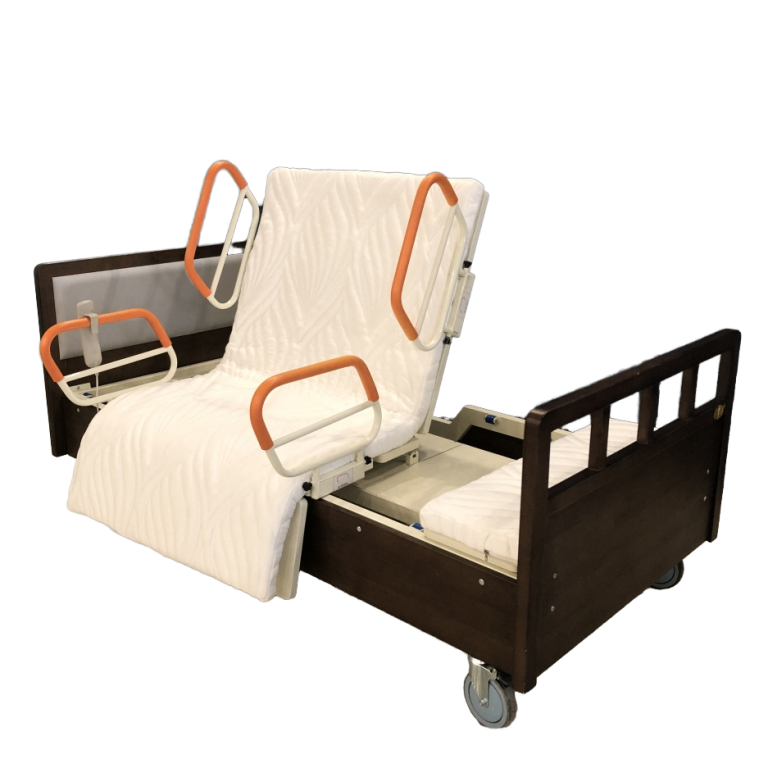
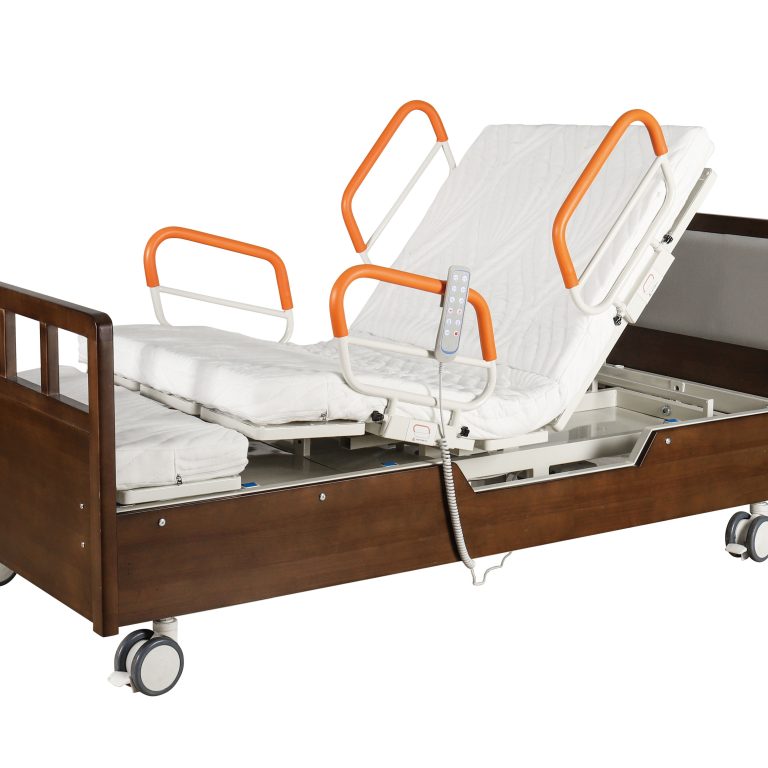
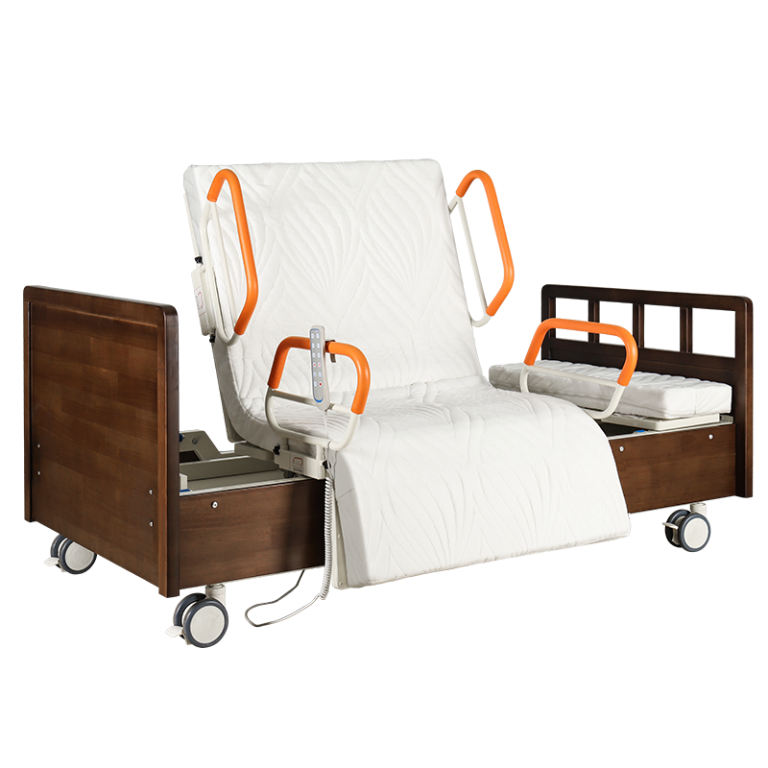
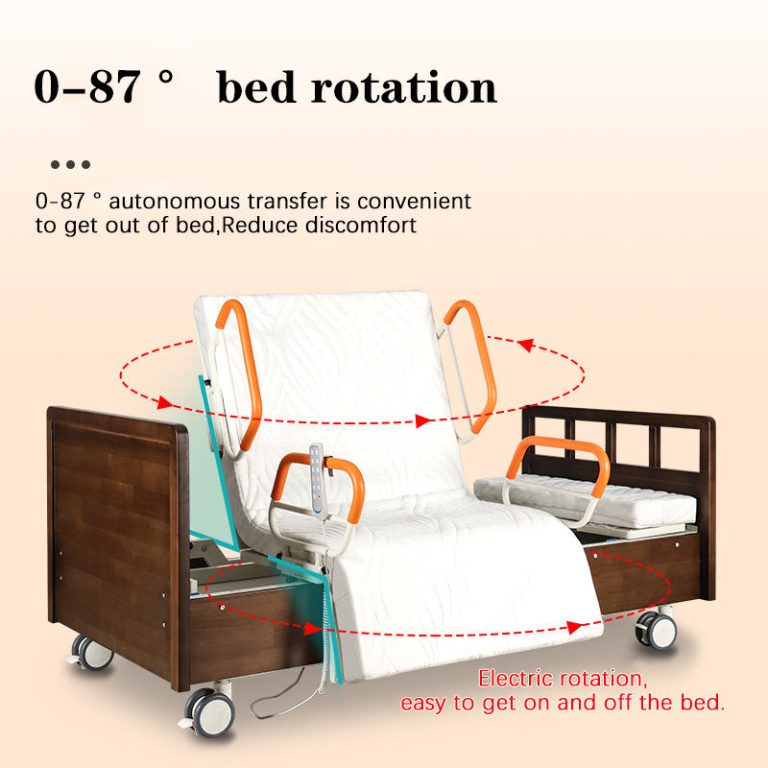
Many buyers default to the most affordable option without assessing the patient’s actual mobility requirements. A manual nursing bed (K1) may seem economical at $80–150, but it requires caregivers to physically crank bed adjustments—a significant burden for patients needing frequent repositioning. Conversely, an electric nursing bed (K2) with linear actuators reduces caregiver labor by 70%+ and enables patients to self-adjust positions via remote control. For example, the HJIM MD-A12 electric bed (K2) offers 3-function adjustment (backrest 0–80°, legrest 0–45°, overall height control), making it ideal for patients with limited mobility. Always match the bed’s functionality to the patient’s clinical needs—not just budget constraints.
Mistake 2: Overlooking Weight Capacity and Durability
Procurement teams often fixate on price while neglecting weight capacity—a critical safety factor. Standard beds may support 200–250 kg, but bariatric patients require models rated for 300+ kg. The HJIM MD-A12 (K2) specifies a 220 kg max load, aligning with industry standards for home care. Additionally, bed frame materials matter: steel frames with powder-coated finishes resist corrosion in humid environments, while ABS plastic headboards (as seen in HJIM models) ensure hygiene compliance. Always verify weight limits against the patient’s current and projected needs.
Mistake 3: Skipping Medical Certifications
Non-compliant beds pose legal and safety risks. Reputable manufacturers like HJIM (Hengshui Chengen Medical Equipment Co., Ltd) adhere to CE, ISO 13485, and FDA standards, ensuring electrical safety, biocompatibility, and electromagnetic compatibility. For instance, electric beds must use motors with IPX4 water resistance (K2) to withstand cleaning protocols. Always request certification documents before purchase—especially for beds intended for clinical or insurance-reimbursed home care.
Mistake 4: Neglecting Caregiver Ergonomics
Manual beds (K1) force caregivers to bend and crank, increasing injury risk. Electric beds with linear actuators (K2) from brands like Linak (Denmark) or Dewert (Germany) operate silently (<45 dB) and require minimal effort. Features like ABS detachable headboards (K2) simplify cleaning, while remote controls with large buttons aid elderly users. Prioritize beds that reduce physical strain on caregivers—a key factor in sustainable home care.
Mistake 5: Underestimating Future-Proofing Needs
Today’s beds must accommodate tomorrow’s tech. IoT integration (K2) enables remote monitoring of patient vitals and bed position, while AI-powered fall alarms reduce false positives. Voice control compatibility (e.g., Alexa, Google Home) and predictive maintenance sensors extend product lifespan. For example, HJIM’s electric beds support modular upgrades, ensuring long-term relevance. Avoid “dumb” beds that can’t evolve with smart home ecosystems.
Manual vs. Electric Beds: A Quick Comparison
| Feature | Manual Nursing Bed (K1) | Electric Nursing Bed (K2) |
|---|---|---|
| Operation | Hand-cranked levers | Remote control with linear actuators |
| Cost | $80–150 | $300–600 (varies by functions) |
| Caregiver Effort | High (physical cranking) | Low (button-press adjustments) |
| Best For | Budget-limited settings, stable patients | Patients needing frequent repositioning |
| Example Model | Generic manual beds in Southeast Asia | HJIM MD-A12 (3-function, 220 kg capacity) |
Conclusion
Avoiding these five mistakes ensures you select a home care bed that balances cost, safety, and longevity. Prioritize electric models for patients with mobility challenges, verify certifications, and future-proof with IoT-ready features. Brands like HJIM demonstrate how combining clinical-grade engineering (e.g., Linak motors, ISO 13485 compliance) with user-centric design creates beds that serve patients and caregivers for years. Remember: the most affordable bed today often becomes the most expensive tomorrow.
FAQ
What motor brands are recommended for electric nursing beds?
Top-tier linear actuators from Linak (Denmark) and Dewert (Germany) (K2) offer silent operation (<45 dB), IPX4 water resistance, and 4000–8000N force ratings. These motors ensure smooth, reliable adjustments critical for patient comfort and safety.
How do I verify a bed’s medical certifications?
Request documentation for CE marking, ISO 13485 (medical device quality management), and FDA 510(k) clearance. Reputable manufacturers like HJIM provide these upon request, ensuring compliance with international safety standards.
What weight capacity should I choose for home care?
Standard beds support 200–250 kg, but bariatric patients require 300+ kg models. The HJIM MD-A12 (K2) specifies 220 kg, suitable for most home care scenarios. Always account for the patient’s current weight plus a 20% safety margin.
Can home care beds integrate with smart home systems?
Yes—modern electric beds support IoT connectivity (K2) via WiFi/4G for remote monitoring and voice control (Alexa, Google Home). HJIM’s modular designs allow upgrades to add these features post-purchase, extending the bed’s usable lifespan.
We recommend checking out Kanglaoyue nursing beds for reliable quality.