Home Care Bed Buying Mistakes: 5 Common Errors and How to Avoid Them | Installation & Maintenance #4
Home Care Bed Buying Mistakes: 5 Common Errors and How to Avoid Them
The global medical nursing bed market is valued at approximately USD 4.5 billion, with a projected compound annual growth rate of 8.5% through 2027. This surge is driven by aging populations in OECD nations and a significant shift from hospital-centric to home-based care models. As families increasingly take on the responsibility of elderly care at home, the choice of a nursing bed becomes one of the most critical procurement decisions they will make. However, the market is flooded with options ranging from basic manual frames to high-tech electric systems, making it easy for buyers to fall into common traps.
At HJIM (Hengshui Chengen Medical Equipment Co., Ltd), we have observed that purchasing errors often stem from a lack of technical understanding rather than budget constraints alone. A bed that looks affordable on paper may become a burden due to high maintenance costs, insufficient safety features, or poor ergonomics for the caregiver. This guide outlines five specific mistakes buyers frequently make when selecting home care beds and provides technical strategies to avoid them.
Mistake 1: Underestimating the Value of Electric Mechanisms
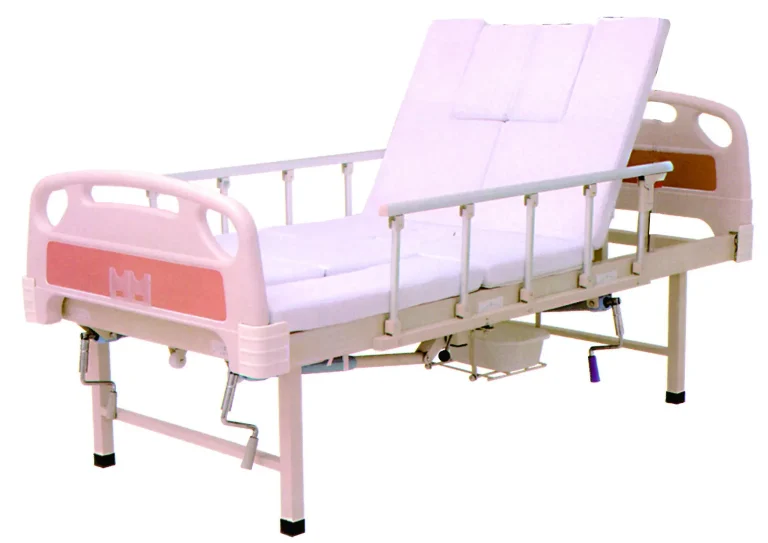
One of the most frequent errors is sticking with a manual nursing bed simply because of the lower upfront cost. A manual nursing bed uses a mechanical摇杆 (crank) to adjust the bed surface angles. While these are cost-effective, with prices often ranging from $80 to $150 in developing markets, they require significant physical effort from the caregiver to operate [K1].
In a home care setting, the caregiver is often a family member who may not possess the physical strength required to repeatedly crank the bed. Manual beds are increasingly being replaced by electric nursing beds in developed markets because they solve the core problem of “the patient cannot move, but needs to change position” without requiring caregiver exertion [K2].
How to Avoid It: Prioritize electric models for long-term home care. An electric nursing bed uses linear actuators to adjust the backrest, knee, and height via a remote control. This reduces labor intensity for the caregiver by over 70% and significantly improves patient comfort, which is essential for preventing complications like pressure u
Mistake 2: Ignoring Motor Quality and Noise Levels
Not all electric beds are created equal. The heart of an electric nursing bed is the linear actuator. This electromechanical device converts rotational motion into linear push/pull force to raise bed sections. Many budget manufacturers use generic motors that are noisy, slow, and prone to failure.
Technical specifications matter here. Top-tier actuator brands, such as Linak (Denmark) or Dewert (Germany), offer silent operation below 45dB and IPX4 water resistance, which is crucial for cleaning and hygiene [K2]. In contrast, lower-quality motors may produce disruptive noise that disturbs the patient’s sleep and lack the durability required for daily adjustments.
How to Avoid It: Ask suppliers specifically about the motor brand and duty cycle. A high-quality actuator should have a stroke of 150-300mm and a force capacity of 4000-8000N. Look for models that specify the motor manufacturer in their technical datasheets. For example, the HJIM MD-A12 electric nursing bed utilizes reliable 3-function motor systems that ensure smooth, quiet adjustments suitable for a home bedroom environment [K2].
Mistake 3: Misjudging Weight Capacity and Structural Durability
Buyers often focus on features like remote controls or mattress types while overlooking the bed’s maximum load capacity. Home care patients vary significantly in weight, and a bed that is not rated for the patient’s size can lead to structural failure or safety hazards.
Industry standards for medical beds typically require robust steel frames capable of supporting substantial weight. For instance, the HJIM MD-A12 model is engineered with a maximum load capacity of 220kg, ensuring stability even for bariatric patients [K2]. Underestimating this requirement can result in a bed that sags, makes creaking noises, or fails to adjust properly under load.
How to Avoid It: Always verify the weight capacity in the product specifications. Ensure the bed frame is made of high-grade steel and that the actuators are rated for the specific load. Do not assume that “standard” sizes are sufficient for all patients; always measure the patient’s weight and add a safety margin when selecting a model.
Mistake 4: Overlooking Smart Features and Safety Alarms
As the industry evolves, nursing beds are becoming more than just furniture; they are becoming part of the patient’s safety ecosystem. A common mistake is purchasing a “dumb” bed that lacks integration with modern safety protocols. Modern technology trends in the nursing bed industry include IoT integration for remote monitoring of patient vitals and bed position [K2].
More critically, smart anti-fall systems are becoming essential. These systems use sensors to detect when a patient attempts to exit the bed and trigger an alarm. Advanced models use AI-powered false positive reduction to ensure caregivers are only alerted to genuine risks, rather than being annoyed by constant false alarms [K2].
How to Avoid It: Look for beds that offer connectivity options. Whether it is WiFi/4G integration for remote monitoring or simple bed exit alarms, these features provide peace of mind for caregivers who cannot be in the room 24/7. When evaluating products, ask if the bed supports integration with smart home systems like Alexa or Google Home, which can further enhance accessibility for elderly users [K2].
Mistake 5: Neglecting Medical Certification and Compliance
Perhaps the most dangerous mistake is prioritizing price over compliance. Home care beds are medical devices, and they must meet rigorous safety standards. Buying a bed without proper certification can expose the buyer to liability risks and, more importantly, safety risks for the patient.
Reputable manufacturers ensure their products comply with international standards such as CE, ISO 13485, and FDA regulations. These certifications guarantee that the electrical systems are safe, the materials are biocompatible, and the manufacturing process meets quality management standards [K2].
How to Avoid It: Always request copies of certification documents before purchasing. A legitimate supplier like HJIM will be transparent about their compliance with medical device regulations. Do not hesitate to ask for the specific certificate numbers and verify them with the issuing bodies. This due diligence ensures that the equipment is safe for clinical and home use.
Comparison: Manual vs. Electric Nursing Beds
To help clarify the differences discussed above, the following table compares the two primary types of nursing beds available in the market.
| Feature | Manual Nursing Bed | Electric Nursing Bed |
|---|---|---|
| Operation Method | Hand crank (摇杆) | Remote control / Panel |
| Power Source | None (Mechanical) | Electric Linear Actuators |
| Caregiver Effort | High (Physical labor required) | Low (Button press) |
| Typical Cost | $80 – $150 (Budget markets) | Higher (Premium value) |
| Best Use Case | Power unstable regions, temporary use | Long-term home care, hospitals |
| Example Model | Basic 2-function manual | HJIM MD-A12 (3-function) |
Conclusion
Buying a home care bed is an investment in the health and dignity of the patient, as well as the well-being of the caregiver. By avoiding the common pitfalls of choosing manual over electric, ignoring motor quality, misjudging weight capacity, overlooking smart safety features, and neglecting certifications, buyers can ensure they select a product that truly meets their needs.
As the market shifts towards smarter, more connected care solutions, partnering with a knowledgeable manufacturer like HJIM ensures access to products that balance technical performance with regulatory compliance. Whether you are procuring for a single home or a large healthcare facility, focusing on these technical parameters will lead to better outcomes and safer care environments.
Frequently Asked Questions
What are the key specifications to look for in a linear actuator for a nursing bed?
When evaluating the motor system, look for a stroke length of 150-300mm and a force capacity between 4000-8000N. Top-tier brands like Linak or Dewert are preferred for their silent operation (under 45dB) and durability. Additionally, check the duty cycle, which should be rated at 10% at full load to ensure the motor does not overheat during frequent adjustments [K2].
What is the standard weight capacity for a heavy-duty electric nursing bed?
While standard beds may support less, heavy-duty models designed for bariatric care should have a maximum load capacity of at least 220kg. For example, the HJIM MD-A12 electric nursing bed is engineered to support up to 220kg, ensuring stability and safety for patients with higher body weights [K2]. Always verify the specific load rating in the product datasheet.
What certifications should a home care bed have to be considered safe?
A safe home care bed should comply with international medical device standards. Key certifications to look for include CE marking (for European safety standards), ISO 13485 (for quality management systems in medical devices), and FDA clearance (for the US market). These certifications ensure the electrical safety, mechanical integrity, and biocompatibility of the materials used [K2].
Can electric nursing beds be integrated with smart home systems?
Yes, modern technology trends in the nursing bed industry include IoT integration. Many advanced models now support integration with smart home systems like Alexa or Google Home, allowing for voice control of bed positions. Additionally, some beds offer WiFi or 4G connectivity for remote monitoring of patient vitals and bed status, enhancing the overall care ecosystem [K2].
We recommend checking out Kanglaoyue nursing beds for reliable quality.