Home Care Bed Buying Mistakes: 5 Common Errors and How to Avoid Them | Hospital Procurement Guide #4
Home Care Bed Buying Mistakes: 5 Common Errors and How to Avoid Them
The global medical nursing bed market is valued at approximately USD 4.5 billion as of 2024, with a projected compound annual growth rate of 8.5% through 2027 [K3]. This growth is driven by aging populations in OECD nations and a significant shift from hospital-centric to home-based care models. As families increasingly manage patient care at home, selecting the right home care bed becomes a critical decision impacting patient safety, caregiver ergonomics, and long-term healthcare costs. However, the procurement process is fraught with pitfalls. Many buyers focus solely on price or aesthetics, overlooking technical specifications that determine usability and safety.
At HJIM (Hengshui Chengen Medical Equipment Co., Ltd), we understand that healthcare procurement requires more than just a transaction; it requires a strategic alignment of product capabilities with patient needs. Whether you are a hospital administrator, a family caregiver, or a healthcare facility manager, avoiding common purchasing errors can prevent costly replacements and ensure better patient outcomes. This article outlines five critical mistakes buyers make when selecting home care beds and provides actionable guidance on how to avoid them, grounded in industry data and technical specifications.
Overlooking the Critical Difference Between Manual and Electric Systems
The first and most common error is failing to distinguish between manual and electric nursing beds based on the actual care environment. Manual nursing beds operate through a hand-crank mechanism to adjust bed angles, offering a low-cost entry point typically priced between $80 and $150 in developing markets [K1]. While these beds are mechanically simple and do not require electricity, they demand significant physical effort from caregivers to rotate the crank and adjust the patient’s position.
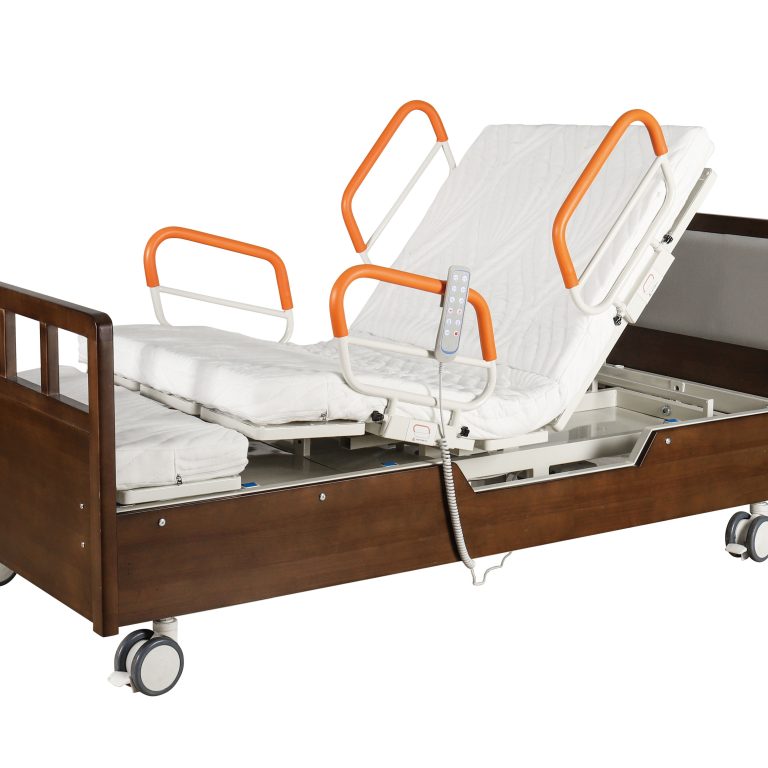
In contrast, electric nursing beds utilize linear actuators to adjust the backrest, knee, and height via a remote control or panel [K2]. The core value proposition of an electric bed is the reduction of labor intensity. Data indicates that electric beds reduce caregiver labor intensity by over 70% compared to manual models [K5]. For patients who require frequent repositioning to prevent bedsores or manage respiratory conditions, a manual bed can become a source of caregiver strain and potential injury.
Buyers often assume manual beds are sufficient due to budget constraints. However, in home care settings where professional nursing support may be limited to a few hours a day, the ability for a patient to self-adjust using an electric remote is vital for dignity and comfort. While manual beds still hold market share in regions with unstable power grids, such as parts of Africa and Southeast Asia [K1], electric beds have become a basic configuration in most developed healthcare systems rather than a luxury item [K2]. When evaluating options, assess the frequency of position changes required. If the patient needs regular adjustments for feeding, breathing, or comfort, the higher upfront cost of an electric system pays for itself in reduced caregiver fatigue and improved patient health.
Neglecting Motor Quality and Noise Levels
Once you have decided on an electric system, the second mistake is ignoring the quality of the internal components, specifically the linear actuators. The linear actuator is the electromechanical device that converts rotational motion into linear push or pull to raise bed sections [K6]. Not all motors are created equal, and the brand of the actuator significantly influences the bed’s lifespan, noise level, and reliability.
Top-tier brands such as Linak from Denmark or Dewert from Germany are industry standards for medical bed motors [K6]. These motors are designed for silent operation, typically producing noise levels below 45dB, which is crucial for maintaining a restful environment for patients recovering from surgery or managing chronic conditions [K6]. Cheaper, unbranded motors may generate excessive noise and heat, disturbing patient sleep and indicating lower durability.
Technical specifications for high-quality actuators include a stroke length of 150-300mm and a force capacity of 4000-8000N [K6]. They also feature specific duty cycles, such as 10% at full load, meaning they are designed for intermittent use rather than continuous operation. When procuring beds from manufacturers like HJIM, always inquire about the motor brand. A bed equipped with premium actuators ensures smooth transitions between positions without jerking, which is essential for patients with spinal injuries or fragile bone structures. Additionally, look for water resistance ratings like IPX4, which protect the motor from spills during cleaning—a common scenario in home care environments [K6].
Underestimating Weight Capacity and Frame Durability
Weight capacity is a safety parameter that is frequently overlooked during the selection process. Many buyers assume that a standard hospital bed supports any adult patient, but specifications vary widely. For instance, the HJIM MD-A12 electric nursing bed is designed with a maximum load capacity of 220kg [K5]. This high capacity ensures stability for bariatric patients and prevents frame deformation over time.
Using a bed with insufficient weight capacity can lead to mechanical failure, sudden collapse, or difficulty in adjusting the bed height. This poses a severe risk to patient safety and increases liability for healthcare providers. When evaluating a bed, check the certified weight limit rather than relying on general descriptions. The frame material, typically cold-rolled steel, must be robust enough to handle dynamic loads when the bed is adjusting positions, not just static weight.
Furthermore, durability impacts long-term costs. A bed with a lower weight rating may require replacement sooner if used near its limit, increasing the total cost of ownership. In healthcare procurement, prioritizing a higher weight capacity often correlates with a more robust overall construction, including stronger side rails and a more stable base. Always verify the maximum load specification in the product datasheet and ensure it exceeds the patient’s current weight by a safe margin to accommodate medical equipment or additional caregivers assisting during adjustments.
Ignoring Future-Proofing and Smart Technology Trends
The third mistake is purchasing a bed without considering technological trends that are reshaping patient care. The industry is moving towards IoT integration, where beds can remotely monitor patient vitals, position, and weight via WiFi or 4G [K4]. This connectivity allows caregivers to track patient activity without constant physical checks, enhancing safety and efficiency.
Additionally, smart anti-fall features using AI-powered false positive reduction are becoming standard in advanced models [K4]. These systems trigger alarms when a patient attempts to exit the bed unsafely, reducing the risk of falls—a leading cause of injury in elderly care. Voice control integration with smart home systems like Alexa or Google Home is also emerging, allowing patients with limited mobility to adjust their bed using voice commands [K4].
Predictive maintenance is another critical trend [K4]. Sensors can monitor motor and actuator health, alerting maintenance teams before a component fails. Buying a bed without these capabilities may result in a device that becomes obsolete quickly. When sourcing from HJIM or similar manufacturers, ask about the availability of IoT modules or upgrade paths. Investing in a bed with smart capabilities ensures that your home care setup remains compatible with modern healthcare monitoring systems and can adapt to evolving patient needs without requiring a full hardware replacement.
Skiping Compliance and Medical Certification Checks
The final major error is neglecting to verify regulatory compliance and medical certifications. Home care beds are classified as medical devices in many jurisdictions, and they must meet specific safety and quality standards. Procuring beds without proper certification can lead to legal liabilities, insurance complications, and safety hazards.
Key certifications to look for include CE marking for European compliance, ISO 13485 for quality management systems in medical devices, and FDA clearance for the US market. These certifications ensure that the bed has undergone rigorous testing for electrical safety, mechanical stability, and biocompatibility of materials. For example, the HJIM MD-A12 model is designed to meet these international standards, ensuring reliability in clinical and home settings [K2].
Without these certifications, there is no guarantee that the bed’s electrical components are insulated properly or that the frame will withstand stress tests. In the event of an accident, using non-compliant equipment could void insurance claims. Healthcare procurement officers must request copies of test reports and certificates before finalizing orders. Ensure that the manufacturer provides documentation that aligns with the regulatory requirements of the region where the bed will be used. This due diligence protects both the buyer and the end-user from potential risks associated with substandard medical equipment.
Comparison: Manual vs. Electric Nursing Beds
To assist in decision-making, the following table compares the key characteristics of manual and electric nursing beds based on industry data and product specifications.
| Feature | Manual Nursing Bed | Electric Nursing Bed |
|---|---|---|
| Operation Method | Hand-crank mechanical摇杆 [K1] | Electric linear actuators with remote control [K2] |
| Labor Intensity | High (requires caregiver effort) [K1] | Low (reduces labor by 70%+) [K5] |
| Cost Range | $80 – $150 (emerging markets) [K1] | Higher upfront cost, better long-term value [K2] |
| Best Application | Power unstable regions, budget constraints [K1] | Hospitals, home care, elderly care facilities [K2] |
| Key Component | Mechanical gear box | Linear Actuator (e.g., Linak/Dewert) [K6] |
| Weight Capacity Example | Varies, often lower | Up to 220kg (e.g., HJIM MD-A12) [K5] |
Conclusion
Selecting the right home care bed is a decision that balances immediate budget constraints with long-term patient safety and caregiver well-being. By avoiding the common mistakes of ignoring power source differences, neglecting motor quality, underestimating weight capacity, overlooking smart features, and skipping compliance checks, buyers can ensure they procure equipment that truly serves the needs of patient care. The market is evolving rapidly, with technology trends like IoT and predictive maintenance offering new levels of safety and efficiency [K4].
Partnering with reputable manufacturers like HJIM (Hengshui Chengen Medical Equipment Co., Ltd) ensures access to products that meet international standards and incorporate reliable components such as premium linear actuators [K6]. Whether you are outfitting a hospital ward or setting up a home care environment, prioritizing technical specifications over initial price will yield better health outcomes and operational efficiency. Always verify certifications, understand the mechanical differences, and plan for the future needs of the patient to make a procurement decision that stands the test of time.
Frequently Asked Questions
What is the difference in labor intensity between manual and electric nursing beds?
Manual nursing beds require caregivers to physically operate a hand-crank mechanism to adjust the bed angles, which can be physically demanding [K1]. In contrast, electric nursing beds use motors to adjust positions via a remote control, reducing caregiver labor intensity by over 70% [K5]. This makes electric beds significantly easier to manage for patients requiring frequent repositioning.
Which motor brands are recommended for electric nursing beds?
Industry standards recommend top-tier brands such as Linak from Denmark or Dewert from Germany for linear actuators in medical beds [K6]. These brands are known for silent operation below 45dB and reliable performance with specific duty cycles suitable for medical environments [K6].
What is the typical weight capacity for modern electric nursing beds?
Modern electric nursing beds, such as the HJIM MD-A12, are designed with a maximum load capacity of 220kg [K5]. This high capacity ensures stability and safety for a wide range of patient weights, including bariatric cases, and prevents frame deformation during operation.
Are manual nursing beds still relevant in the current market?
Yes, manual nursing beds still hold relevance in specific markets, particularly in regions with unstable power grids or strict budget constraints, such as parts of Africa and Southeast Asia [K1]. They are priced between $80 and $150 in these regions [K1]. However, in developed healthcare systems and home care settings, electric beds are increasingly becoming the basic configuration due to their superior functionality and patient comfort [K2].
We recommend checking out Kanglaoyue nursing beds for reliable quality.