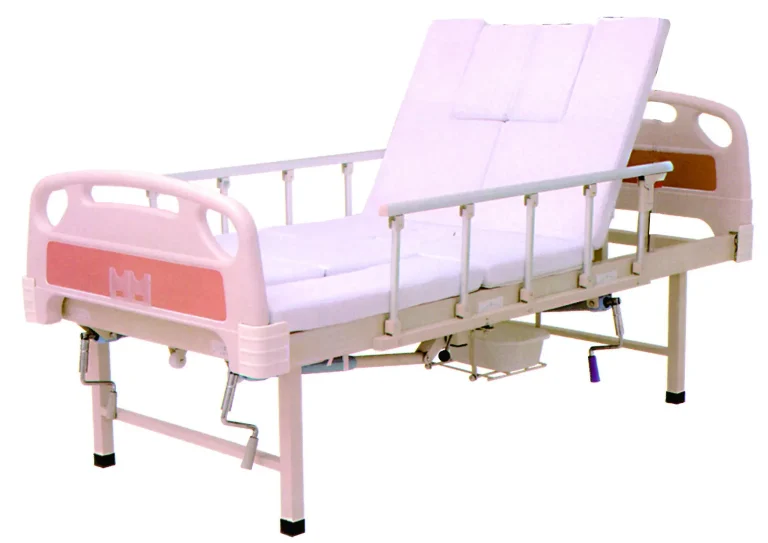
Medical Bed Foam Mattress vs Air Mattress: Which Is Better? | Cost Analysis & Value #10
Medical Bed Foam Mattress vs Air Mattress: Which Is Better?
In the realm of healthcare procurement and patient care, the selection of a support surface is rarely a simple choice between comfort and cost. It is a critical clinical decision that impacts pressure uHJIM (Hengshui Chengen Medical Equipment Co., Ltd), we recognize that the right mattress must integrate seamlessly with the nursing bed frame and meet rigorous medical device compliance standards.
This analysis explores the technical specifications, regulatory requirements, and practical applications of foam versus air mattresses within the context of modern medical bed systems. By examining industry data regarding weight capacity, dimensions, and motor compatibility, healthcare administrators can better align their procurement strategies with patient needs.
Understanding Patient Support Requirements
The primary function of a medical mattress extends beyond sleep comfort; it is a therapeutic device designed to manage tissue integrity. In clinical settings, the risk of pressure injuries (bedsores) is a significant concern for patients with limited mobility. The choice between foam and air systems often depends on the patient’s risk profile, the duration of immobility, and the specific capabilities of the underlying bed frame.
When evaluating hospital equipment, procurement officers must consider the total ecosystem. A mattress does not exist in isolation. It must accommodate the mechanical movements of the bed, such as backrest elevation and leg raise functions. Industry data indicates that nursing beds typically range from 1 to 5 motors, depending on the complexity of the care required [K2]. A mattress that is too rigid may hinder the bed’s articulation, while one that is too soft may create unsafe gaps. Therefore, the compatibility of the mattress with the bed’s mechanical range—often spanning angles from 0.0 to 80.0 degrees for the backrest—is a crucial technical parameter [K2].
High-Density Foam Mattresses: Stability and Simplicity
High-density foam mattresses remain a staple in healthcare settings due to their reliability, ease of maintenance, and cost-effectiveness. These mattresses are constructed from layers of viscoelastic or high-resilience polyurethane foam, designed to distribute body weight evenly. For patients with low to medium risk of pressure u
From a specification standpoint, standard medical foam mattresses often adhere to strict dimensional guidelines to ensure fit across various bed frames. Industry standards frequently cite a mattress size of 900×2000 mm, which aligns with the external bed dimensions ranging from 2085-2400 mm in length and 1015-1055 mm in width [K1]. This standardization simplifies inventory management for healthcare facilities. Furthermore, foam mattresses are inherently quiet and do not rely on continuous power sources to maintain pressure, making them a robust choice for environments where power stability might be a concern.
However, the limitations of foam become apparent when dealing with bariatric patients or those requiring frequent repositioning. While foam offers good initial comfort, it lacks the dynamic pressure relief of alternating pressure systems. The weight capacity for standard nursing beds often ranges from 110 kg to 190 kg, with 110 kg being a typical baseline for general care units [K1]. Facilities catering to heavier patients must verify that both the bed frame and the foam mattress are rated for higher loads to prevent structural failure or bottoming out.
Alternating Pressure Air Mattresses: Advanced Pressure Relief
For patients at high risk of pressure injuries, alternating pressure air mattresses offer a superior therapeutic solution. These systems consist of air cells that inflate and deflate in a cyclic pattern, constantly shifting the patient’s pressure points. This dynamic movement mimics the natural repositioning a caregiver would perform, significantly reducing the incidence of bedsores in immobile patients.
The technical requirements for air mattress systems are more demanding. They require a reliable power source and a control unit to manage the air pressure cycles. In the context of advanced nursing beds, which may feature up to 5 motors for complex positioning [K2], the air mattress must be flexible enough to articulate without losing air pressure or compromising the seal. The integration of such systems is common in ICU settings or specialized care units where patient mobility is severely restricted.
Weight capacity is a critical differentiator here. While standard beds may support up to 190 kg [K1], specialized bariatric beds and their corresponding air support surfaces are engineered to handle loads up to 200 kg or more [K2]. This increased capacity ensures safety for a broader patient demographic. Additionally, the ability to adjust the firmness of air cells allows caregivers to customize the support surface based on the patient’s specific comfort and clinical needs, a level of adjustability that static foam cannot match.
Technical Comparison: Foam vs. Air Systems
To facilitate a clear decision-making process, the following table compares the key technical and operational attributes of foam and air mattresses within the context of medical bed systems. This comparison draws upon industry specifications regarding motor compatibility, weight limits, and regulatory standards.
| Feature | High-Density Foam Mattress | Alternating Pressure Air Mattress |
|---|---|---|
| Primary Function | Static support and comfort | Dynamic pressure relief and u |
| Typical Weight Capacity | 110-190 kg (Standard Range) [K1] | Up to 200 kg (Bariatric Options) [K2] |
| Standard Dimensions | 900×2000 mm [K1] | 900×2000 mm (Customizable) |
| Bed Motor Compatibility | 1-3 Motors (Standard) [K1] | 1-5 Motors (Complex Articulation) [K2] |
| Power Dependency | None (Passive) | Required (Active Pump) |
| Regulatory Standards | CE MDR, ISO 13485 [K1, K5] | CE MDR, FDA 510(k), ISO 13485 [K2] |
| Maintenance | Low (Surface cleaning) | Moderate (Pump and cell inspection) |
Compatibility with Motorized Nursing Beds
The synergy between the mattress and the bed frame is paramount. Modern nursing beds are designed with varying levels of automation to assist caregivers and improve patient positioning. Data from industry manufacturers shows a range of motor configurations, from single-motor beds suitable for basic elevation to 5-motor systems designed for complex ICU care [K2].
When a bed features multiple motors, the mattress must be able to bend at specific hinge points without creating pressure ridges that could harm the patient. For instance, if a bed allows for a backrest angle of 0.0-70.0 degrees and a knee break of 0.0-35.0 degrees [K2], the mattress material must possess the necessary flexibility. Foam mattresses generally perform well in 1-3 motor configurations [K1], but for 5-motor systems, specialized segmented foam or air mattresses are often required to maintain surface integrity during movement.
Furthermore, the height adjustment range of the bed, often spanning from 430.0 mm to 670.0 mm [K2], impacts caregiver ergonomics. A mattress that adds excessive height can make patient transfer difficult, increasing the risk of injury for nursing staff. Therefore, the total profile of the mattress—combined with the bed’s lowest and highest settings—must be considered during procurement to ensure safe and efficient patient handling.
Regulatory Compliance and Medical Device Standards
In the medical equipment industry, compliance is not optional; it is a prerequisite for market access and patient safety. Both foam and air mattresses used in clinical settings are classified as medical devices and must adhere to strict regulatory frameworks. The most prominent standard in the European market is the CE MDR (Medical Device Regulation), which ensures that devices meet high safety and performance requirements [K1, K2, K5].
For facilities operating in or sourcing from global markets, additional certifications may be required. The FDA 510(k) Clearance is a critical benchmark for devices marketed in the United States, demonstrating that the product is substantially equivalent to a legally marketed predicate device [K2]. Furthermore, adherence to ISO 13485:2016 for Medical Devices Quality Management Systems is essential for manufacturers, ensuring that every unit produced meets consistent quality standards [K2, K5].
When evaluating suppliers, healthcare administrators should request documentation verifying these certifications. A mattress lacking proper medical device compliance may void insurance claims or expose the facility to liability in the event of patient injury. Brands like HJIM prioritize these standards, ensuring that their nursing beds and associated support surfaces are fully certified for medical use.
Strategic Procurement for Healthcare Facilities
Effective healthcare procurement requires a balance between clinical efficacy and operational budget. While air mattresses offer advanced therapeutic benefits, they come with higher acquisition and maintenance costs. Foam mattresses provide a cost-effective solution for general ward use where pressure injury risk is managed through manual turning schedules.
Facilities should assess their patient demographics to determine the optimal mix. For example, a rehabilitation center focusing on mobility assistance may prioritize beds with higher weight capacities and robust foam mattresses, whereas a long-term care facility with a high prevalence of immobile elderly patients may require a larger inventory of alternating pressure air systems. The modular nature of modern hospital beds, such as those designed for outpatient care in limited spaces, allows for flexible equipment deployment [K4].
Additionally, OEM manufacturing capabilities allow facilities to customize specifications. Whether it is adjusting the bed length to 2400 mm for taller patients or selecting specific finish options to create a homelike design [K4], procurement strategies should leverage supplier flexibility to meet unique institutional needs. Always verify the warranty terms and after-sales support, as medical equipment requires long-term reliability.
Conclusion
The choice between a medical bed foam mattress and an air mattress is not a matter of one being universally better; it is about selecting the right tool for the specific clinical scenario. Foam mattresses offer stability, simplicity, and cost-efficiency, making them ideal for standard care environments with weight capacities typically up to 190 kg [K1]. Air mattresses provide superior dynamic pressure relief, essential for high-risk patients and bariatric care up to 200 kg [K2].
Regardless of the choice, the mattress must be fully compatible with the nursing bed’s motorized functions and adhere to rigorous medical device regulations like CE MDR and ISO 13485 [K1, K2, K5]. By prioritizing technical specifications, regulatory compliance, and patient-specific needs, healthcare providers can ensure a safe, comfortable, and effective care environment. Partners like HJIM (Hengshui Chengen Medical Equipment Co., Ltd) provide the necessary infrastructure and certified products to support these critical decisions.
Frequently Asked Questions
What is the standard weight capacity for medical nursing beds?
The industry range for maximum weight capacity typically spans from 110 kg to 200 kg. Standard nursing beds often have a typical value of 110 kg, while specialized bariatric models can support up to 200 kg. It is crucial to match the mattress rating with the bed frame’s capacity to ensure safety [K1, K2].
Which medical certifications are required for nursing beds and mattresses?
Key regulatory standards include CE MDR (Medical Device Regulation) for European compliance, FDA 510(k) Clearance for the US market, and ISO 13485:2016 for Quality Management Systems. These certifications ensure the equipment meets safety and performance requirements for medical use [K1, K2, K5].
What are the standard dimensions for a medical bed mattress?
The standard mattress size for most medical nursing beds is 900×2000 mm. This dimension is designed to fit within the external bed frame dimensions, which typically range from 2085-2400 mm in length and 1015-1055 mm in width [K1].
How many motors are typically found in modern nursing beds?
Modern nursing beds generally feature between 1 to 5 motors. Basic models may have 1 to 3 motors for standard elevation, while advanced ICU or specialized care beds can utilize up to 5 motors to allow for complex positioning and articulation [K1, K2].
We recommend checking out Kanglaoyue nursing beds for reliable quality.