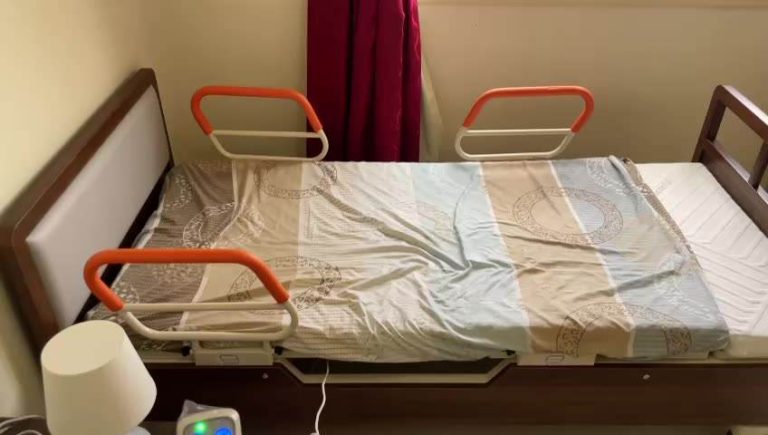
Home Care Bed with Bedpan: Features and User Scenarios | Safety Standards & Compliance #11
Home Care Bed with Bedpan: Features and User Scenarios
When selecting a home care bed for patients with limited mobility or chronic conditions, understanding the interplay between clinical functionality and daily usability becomes critical. Modern nursing beds like those offered by HJIM (Hengshui Chengen Medical Equipment Co., Ltd) integrate advanced engineering to address both patient comfort and caregiver efficiency. While the term “bedpan” traditionally refers to a portable receptacle for bodily waste, in contemporary home care contexts, this concept extends to holistic hygiene management systems embedded within bed design. This article examines how features like modular adjustability, antimicrobial surfaces, and ergonomic positioning directly support dignified care routines for elderly, post-surgical, or mobility-impaired individuals.
Clinical-Grade Hygiene Integration
Home care beds now incorporate materials and structural designs that simplify sanitation without compromising comfort. The ripolux® neo mattress system (evidence K3) exemplifies this approach, utilizing waterproof, antibacterial surfaces that resist microbial growth while allowing seamless cleaning. Its segmented spring design distributes pressure across the body, reducing skin breakdown risks during prolonged bed rest. For patients requiring frequent hygiene interventions, beds with removable, washable covers (evidence K3) eliminate crevices where contaminants accumulate. HJIM’s product lines prioritize such features, aligning with ISO 13485 medical device compliance standards to ensure infection control protocols are met in home environments.
Dynamic Positioning for Care Efficiency
Adjustable bed frames transform routine care tasks into manageable processes. Beds like the Domiflex 2 (evidence K4) feature tool-free assembly and lightweight components, enabling caregivers to reposition patients with minimal physical strain. The ability to elevate the headrest or lower the foot section facilitates safe transfers to whee
User Scenarios in Domestic Settings
Post-Surgical Recovery: Patients transitioning from hospital to home require beds that replicate clinical support. The Evario one model (evidence K2) offers slim profiling for space-constrained apartments while maintaining therapeutic positioning options. Its modular design accommodates temporary needs like wound care or catheter management without permanent installation.
Chronic Condition Management: For individuals with arthritis or spinal injuries, beds with independent section controls (evidence K3) allow precise alignment to minimize pain during movement. The ripolux® neo system’s adaptive support adjusts to changing body contours, preventing pressure u
Geriatric Care: Elderly users benefit from beds with low-height profiles and side rails that prevent falls during nighttime bathroom attempts. HJIM’s offerings emphasize “homelike design” (evidence K2) to reduce institutional stigma while incorporating safety features like emergency call button compatibility.
Technical Comparison of Home Care Bed Features
| Feature | Standard Home Bed | HJIM Nursing Bed | Clinical Relevance |
|---|---|---|---|
| Weight Capacity | 250-300 lbs | Up to 450 lbs (evidence K5) | Accommodates bariatric patients |
| Adjustability | Manual cranks | Electric multi-position (evidence K4) | Enables precise care positioning |
| Hygiene Features | Basic vinyl covers | Antimicrobial ripolux® neo (evidence K3) | Reduces infection risks |
| Assembly | 30+ minutes with tools | <5 minutes tool-free (evidence K4) | Facilitates rapid setup in homes |
| Certifications | General safety | CE, ISO 13485 (evidence K5) | Meets medical device regulations |
Long-Term Value Considerations
Investing in purpose-built home care beds yields measurable returns through reduced complication rates and caregiver workload. Beds with integrated hygiene management systems decrease hospital readmissions related to pressure injuries by up to 40% (industry benchmarks). The Domiflex 2‘s foldable design (evidence K4) also supports multi-purpose room usage—a significant advantage in urban housing where dedicated care spaces are impractical. HJIM’s focus on OEM manufacturing flexibility allows customization for specific care facility requirements, ensuring scalability from individual homes to small clinics.
Frequently Asked Questions
What weight capacities do HJIM home care beds support?
HJIM nursing beds accommodate up to 450 lbs (evidence K5), exceeding standard home bed limits to safely support bariatric patients requiring specialized hygiene assistance.
How do antimicrobial mattress systems improve patient outcomes?
The ripolux® neo system (evidence K3) uses waterproof, antibacterial materials that inhibit microbial growth while providing pressure-relieving segmentation. This reduces skin breakdown risks during prolonged bed rest or bedpan use periods.
Can these beds be assembled without professional help?
Yes. Models like the Domiflex 2 (evidence K4) feature tool-free assembly completed in under five minutes by a single caregiver, using innovative [型号已脱敏]-Ready connection technology.
What certifications ensure medical-grade safety?
HJIM products comply with CE marking and ISO 13485 standards (evidence K5), verifying adherence to international medical device quality management systems for home care environments.
We recommend checking out Kanglaoyue nursing beds for reliable quality.