How to Start a Medical Equipment Distribution Business | Hospital Procurement Guide #7
How to Start a Medical Equipment Distribution Business
The global healthcare landscape is undergoing a significant transformation, driven by aging populations and a shift toward home-based care. For entrepreneurs and business leaders, this shift presents a substantial opportunity to enter the medical equipment distribution sector. However, success in this industry requires more than just capital; it demands a deep understanding of product technology, regulatory compliance, and the specific needs of caregivers and patients. As a distributor, you are not merely selling hardware; you are providing solutions that impact patient safety and caregiver ergonomics.
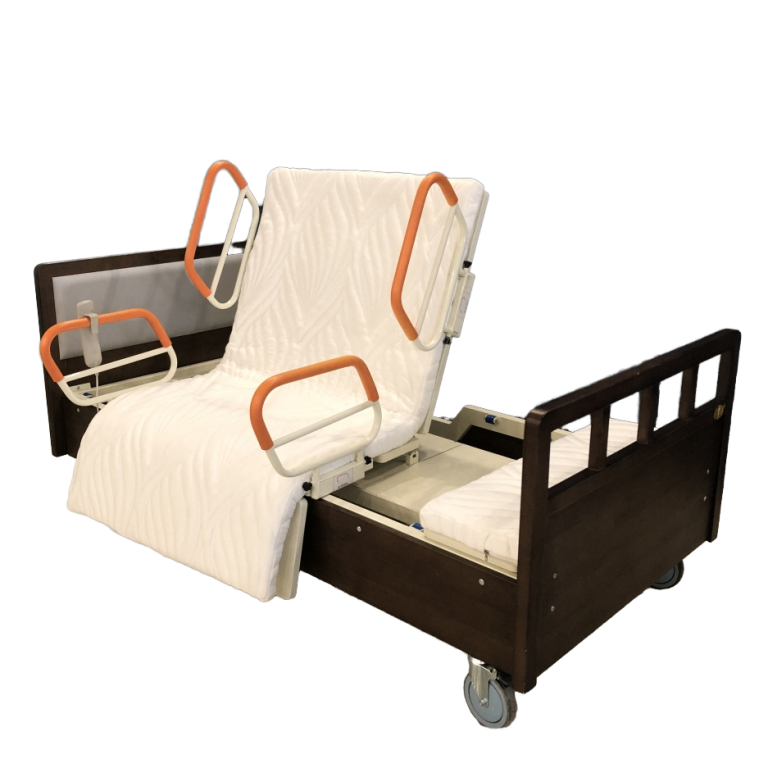
One of the most critical product categories in this space is the nursing bed. Whether for hospital wards, rehabilitation centers, or private homes, the demand for reliable patient support systems is rising. To build a sustainable business, you must understand the technical nuances that separate premium equipment from budget options. This guide explores the strategic steps to launching a distribution business, with a specific focus on the nursing bed market, leveraging insights from industry leaders like HJIM (Hengshui Chengen Medical Equipment Co., Ltd).
Understanding the Core Product: The Nursing Bed
Before approaching suppliers or customers, you must grasp the fundamental differences in nursing bed technology. The market is broadly divided into two categories: manual nursing beds and electric nursing beds. Understanding the value proposition of each is essential for targeting the right demographics.
Manual Nursing Beds rely on mechanical crank handles to adjust the bed’s position. They are simple, robust, and cost-effective, making them a staple in regions with budget constraints or unstable power supplies. According to industry data, manual beds are still the primary choice in markets across Africa and Southeast Asia, where prices typically range from $80 to $150. They serve a vital role in basic care settings where electrical infrastructure is lacking.
Electric Nursing Beds, on the other hand, represent the standard for modern healthcare. By replacing manual cranks with electric linear actuators, these beds allow for precise adjustments via a remote control or panel. This technology addresses a critical pain point: the physical strain on caregivers. Instead of manually lifting a patient to prevent bedsores or assist with breathing, a caregiver can simply press a button. This shift is not just about luxury; in many developed healthcare systems, electric beds are considered a basic necessity for patient dignity and safety.
The Critical Component: Linear Actuators
When evaluating suppliers, the quality of the linear actuator is the single most important technical specification to investigate. Often referred to as the “muscle” of the nursing bed, the linear actuator converts rotational motor energy into the straight-line motion required to lift the bed frame.
The market for these components is stratified. High-end manufacturers utilize premium brands such as LINAK (Denmark) or Dewert (Germany). These motors are engineered for longevity, quiet operation, and high safety standards. For instance, the LINAK LA40 is a widely recognized model in the industry, with a single unit costing approximately $60 to $80. While this increases the initial cost of the bed, it significantly reduces warranty claims and enhances the brand reputation of the distributor.
In contrast, budget-oriented beds often utilize generic domestic motors. While this lowers the price point, it introduces risks regarding noise levels, thrust consistency, and overall lifespan. As a distributor, you must decide whether your market strategy targets cost-sensitive bulk buyers or quality-focused healthcare institutions. Misrepresenting a budget motor as a premium one can lead to severe reputational damage and liability issues.
Essential Accessories: Anti-Decubitus Solutions
A comprehensive distribution portfolio should not be limited to beds alone. The prevention of pressure u
These mattresses function by using an air pump to alternately inflate and deflate multiple air cells. This dynamic pressure relief shifts the patient’s weight continuously, preventing blood flow from being cut off in any single area of the body. While essential for ICU patients and those with limited mobility, it is a common misconception that these mattresses eliminate the need for manual turning. They are an辅助 (auxiliary) tool, not a complete replacement for nursing care. Offering these mattresses alongside beds can increase your average order value and provide a more complete care solution to your clients.
Supplier Vetting and Compliance Standards
Entering the medical equipment business requires rigorous due diligence regarding your supply chain. Medical devices are heavily regulated to ensure patient safety. When selecting a manufacturer, such as HJIM, you must verify their compliance with international standards.
Key certifications to look for include ISO 13485, which specifies requirements for a quality management system for the design and manufacture of medical devices. Additionally, depending on your target market, you may need CE marking for Europe or FDA clearance for the United States. These certifications are not just paperwork; they are your insurance against product liability. A supplier that cannot provide traceable documentation for their components, such as the origin of their linear actuators or the materials used in their mattress covers, poses a significant risk to your business.
Market Segmentation and Sales Strategy
Your distribution strategy should be tailored to the specific needs of different customer segments. The requirements of a large hospital procurement department differ vastly from those of a family purchasing a bed for an elderly relative at home.
Hospital and Institutional Procurement: These buyers focus on durability, service contracts, and compliance. They require beds that can withstand high-frequency use and meet strict hygiene standards. When pitching to this sector, emphasize the motor life cycles (measured in cycles), the weight capacity of the frame, and the availability of after-sales support.
Home Care and Retail: This segment prioritizes ease of use, aesthetics, and cost. Features like ABS removable headboards and quiet motor operation are significant selling points. For this audience, the ability to assemble the bed easily and the clarity of the user manual are critical factors.
Developing Markets: In regions where electricity is unreliable, the manual nursing bed remains a viable and necessary product. However, as infrastructure improves, there is a growing trend toward hybrid models or low-voltage electric systems. Identifying these transitional markets early can give you a first-mover advantage.
Comparison: Manual vs. Electric Nursing Beds
To make informed decisions for your inventory, it is helpful to visualize the trade-offs between the two main product types. The following table outlines the key differences based on technical specifications and application scenarios.
| Feature | Manual Nursing Bed | Electric Nursing Bed |
|---|---|---|
| Drive Mechanism | Mechanical Crank Handle | Electric Linear Actuator (e.g., LINAK) |
| Price Range | $80 – $150 (Budget-friendly) | $300 – $800+ (Varies by motor quality) |
| Caregiver Effort | High (Physical exertion required) | Low (Button operation) |
| Primary Application | Developing regions, basic wards | Hospitals, nursing homes, home care |
| Key Advantage | Unlimited usage without power | Precision, patient comfort, safety |
| Common Functions | Back rest adjustment | Back, leg, and total height adjustment |
Building a Sustainable Brand
Ultimately, a successful distribution business is built on trust. In the medical field, trust is earned through reliability and transparency. By sourcing products that utilize high-quality components, such as the LINAK LA40 linear actuators found in premium models, you signal to your customers that you prioritize safety over margin.
Furthermore, educating your customers is a powerful differentiator. Many buyers do not understand the technical differences between a $100 motor and a $60 motor. By providing clear specifications on thrust (Newtons), stroke length (millimeters), and noise levels (decibels), you empower them to make better purchasing decisions. This expertise positions you not just as a vendor, but as a strategic partner in their healthcare operations.
As you expand your catalog, consider the ecosystem around the bed. Offering compatible accessories, such as side rails, over-bed tables, and specialized mattresses, creates a one-stop-shop experience. Whether you are targeting the high-volume institutional market or the growing home-care sector, the foundation of your business lies in the quality of the equipment you choose to represent.
Frequently Asked Questions
What is the technical difference between the motors used in high-end and budget nursing beds?
The primary difference lies in the brand and engineering of the linear actuator. High-end beds typically use premium motors like LINAK (Denmark) or Dewert (Germany), which offer superior noise control, smoother operation, and longer lifespans. A single premium motor can cost between $60 and $80. Budget beds often use generic domestic motors that may be noisier and have a shorter cycle life, though they significantly reduce the overall cost of the unit.
Do anti-decubitus mattresses completely eliminate the need for manual patient turning?
No. While anti-decubitus mattresses use alternating air cells to dynamically relieve pressure and reduce the risk of bedsores, they are considered an auxiliary tool. They cannot fully replace the need for manual repositioning and comprehensive nursing care. Medical guidelines still recommend regular turning and skin checks, even when a patient is using a pressure-relief mattress.
Why is there such a significant price difference between manual and electric nursing beds?
The price gap is driven by the complexity of the drive system. Manual beds rely on simple mechanical cranks and gears, costing roughly $80 to $150. Electric beds require linear actuators, control boxes, remote panels, and wiring. Additionally, the quality of the motor (e.g., LINAK vs. generic) and the number of functions (e.g., back lift, leg lift, total height adjustment) further influence the final price, often pushing electric models into the $300 to $800+ range.
What certifications should I verify when sourcing nursing beds from a manufacturer?
For medical device distribution, you should prioritize suppliers who hold ISO 13485 certification, which validates their quality management system. Depending on your export markets, you should also verify CE marking for European compliance or FDA registration for the US market. These certifications ensure that the manufacturing process meets international safety and quality standards.
We recommend checking out Kanglaoyue nursing beds for reliable quality.