Post-Surgery Home Care Beds: Features for Recovery Patients | Home Care Applications #10
Post-Surgery Home Care Beds: Essential Features for Optimal Recovery
After surgery, the right home care environment can significantly impact healing speed and patient comfort. A specialized recovery bed isn’t just furniture—it’s a critical piece of medical equipment that supports mobility, prevents complications, and reduces caregiver strain. As healthcare procurement professionals and families evaluate options, understanding the technical specifications and functional differences between bed types becomes essential for making informed decisions that prioritize patient safety and recovery outcomes.
Understanding Manual Nursing Beds: Budget-Friendly Basics
Manual nursing beds represent the entry point into specialized recovery equipment, utilizing mechanical hand cranks to adjust bed positions [K2]. These beds operate through a simple gear system that allows caregivers to manually raise or lower the head, foot, or full bed sections. While cost-effective at $80-$150 in markets like Africa and Southeast Asia, they require physical effort from caregivers and lack the precision of motorized alternatives [K2]. For patients with basic mobility needs in stable home environments, manual beds provide essential positioning capabilities without electrical dependencies. However, the physical strain on caregivers during frequent adjustments makes them less suitable for patients requiring regular position changes throughout recovery.
Electric Nursing Beds: The Gold Standard for Recovery
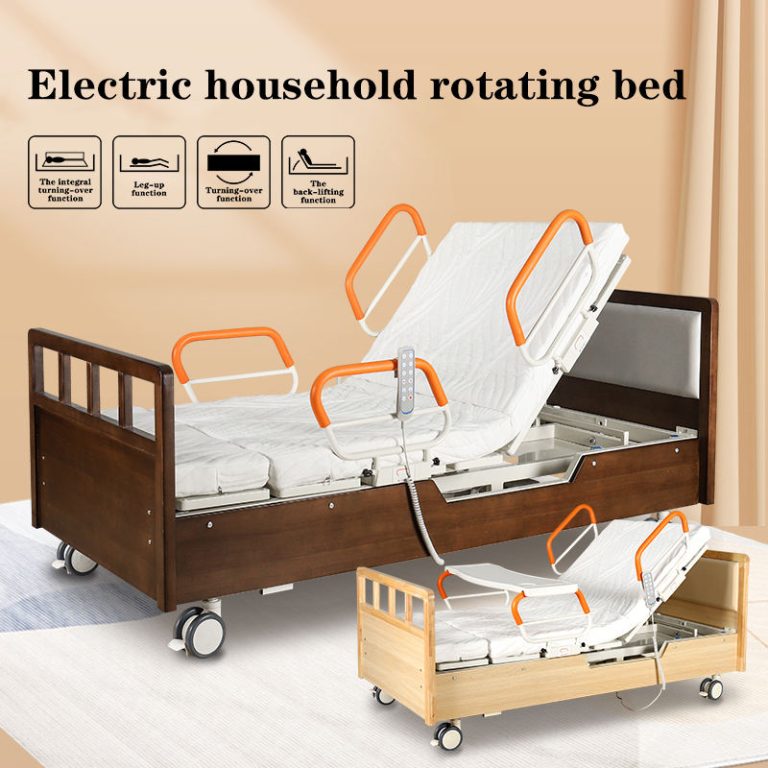
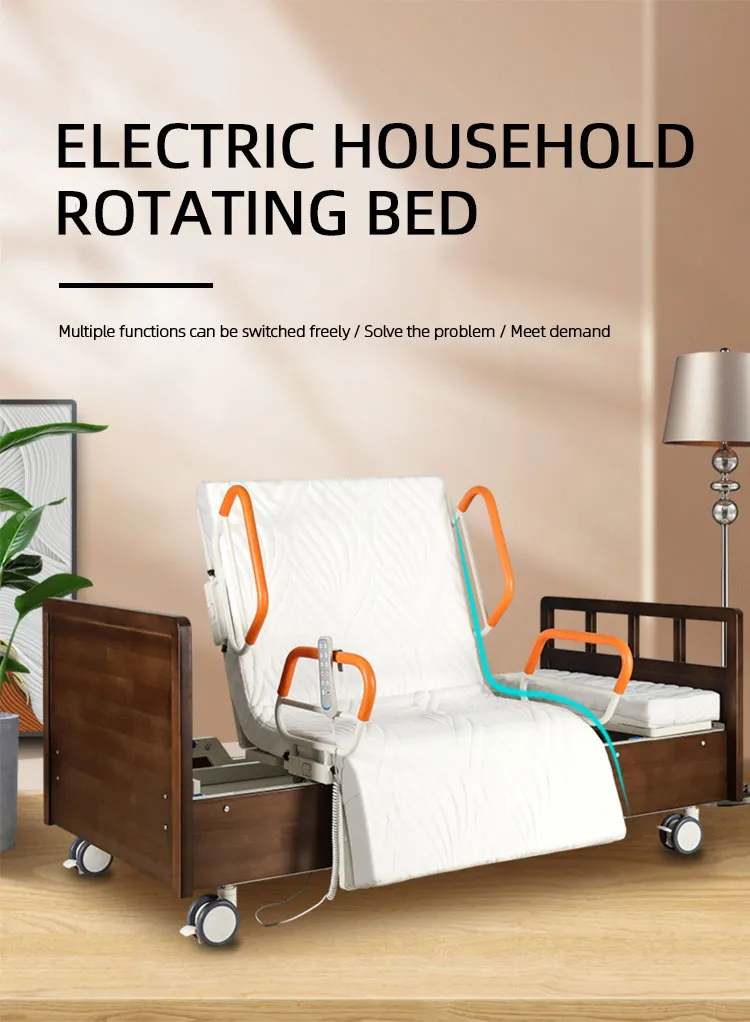
Modern electric nursing beds have become the preferred choice for post-surgery care due to their precision, ease of use, and advanced safety features. The core of these beds lies in their linear actuator technology—specialized motors that convert rotational motion into precise linear movement to adjust bed sections [K5]. Premium brands like HJIM (Hengshui Chengen Medical Equipment Co., Ltd) utilize high-quality actuators from manufacturers such as LINAK (Denmark) or Dewert (Germany), which offer superior durability, quieter operation, and longer lifespans compared to generic alternatives [K5]. These systems enable smooth, controlled adjustments through remote controls or bedside panels, allowing patients to modify their positions independently when appropriate.
Hi-Low Function: Critical for Safety and Caregiver Ergonomics
The hi-low function represents one of the most important safety features in post-surgery beds, allowing the entire bed surface to raise and lower within a typical range of 40-80cm [K3]. When positioned at its lowest setting (approximately 40cm), patients can safely transfer to and from the bed with minimal fall risk—a crucial consideration during early recovery when mobility is limited [K3]. Conversely, raising the bed to 75-80cm reduces back strain for caregivers performing routine tasks like changing linens or assisting with personal care [K3]. HJIM’s MD-E103 model exemplifies this functionality with a 40-75cm adjustment range, demonstrating how proper bed height optimization directly impacts both patient safety and caregiver ergonomics [K3].
CPR Quick-Release: A Life-Saving Emergency Feature
Perhaps the most critical safety feature in modern recovery beds is the CPR quick-release function, which instantly flattens the bed surface with a single button press [K4]. In emergency situations where cardiac arrest occurs, seconds matter—this feature eliminates the time-consuming process of manually adjusting multiple bed sections to achieve a flat surface suitable for effective chest compressions [K4]. HJIM’s MD-E213 model demonstrates industry-leading performance with CPR deployment in under 3 seconds [K4]. While some might view this as an unnecessary feature for home settings, medical professionals emphasize that unexpected cardiac events can occur during recovery, making this functionality a vital safety net that could literally save a patient’s life [K4].
Linear Actuator Quality: The Hidden Factor in Bed Performance
The quality of linear actuators fundamentally determines a nursing bed’s performance, longevity, and safety profile [K5]. Premium actuators like the LINAK LA40 (priced at $60-80 per unit) offer superior thrust capacity (typically 3000-6000N), extended cycle life (50,000+ operations), and quieter operation (<50dB) compared to budget alternatives [K5]. These technical specifications translate directly to real-world benefits: smoother adjustments, reduced maintenance needs, and consistent performance over years of daily use. When evaluating beds for post-surgery care, the actuator specifications should be examined as carefully as visible features, as they represent the "muscle" behind all positioning functions [K5].
Feature Comparison: Manual vs. Electric Recovery Beds
| Feature | Manual Nursing Beds | Electric Nursing Beds |
|---|---|---|
| Price Range | $80-$150 | $300-$1,500+ |
| Adjustment Method | Hand cranks | Motorized with remote |
| Hi-Low Function | Limited or unavailable | Standard (40-80cm range) |
| CPR Quick-Release | Manual adjustment required | One-button activation (<3 seconds) |
| Caregiver Strain | High (physical effort) | Low (motorized adjustments) |
| Power Dependency | None | Requires electrical outlet |
| Best For | Budget-conscious, stable environments | Post-surgery recovery, high-need patients |
Selecting the Right Bed for Your Recovery Needs
When choosing a post-surgery home care bed, several factors beyond basic functionality should inform your decision. First, consider the patient’s specific medical requirements—orthopedic surgeries may demand precise positioning capabilities that only electric beds can provide [K3]. Second, evaluate the primary caregiver’s physical capabilities; those with limited strength will benefit significantly from motorized adjustments [K2]. Third, verify medical certifications—reputable manufacturers like HJIM ensure compliance with international standards including CE marking, ISO 13485 quality management systems, and FDA registration where applicable [K5]. Finally, assess the total cost of ownership, including potential maintenance needs and warranty coverage, rather than focusing solely on initial purchase price.
FAQ: Common Questions About Post-Surgery Care Beds
What’s the primary difference between manual and electric nursing beds for home recovery?
The fundamental difference lies in adjustment mechanism and functionality. Manual beds use hand cranks for basic positioning at lower cost ($80-$150) but require physical effort from caregivers [K2]. Electric beds utilize linear actuators for precise, motorized adjustments with features like hi-low function and CPR quick-release, making them better suited for post-surgery recovery where frequent position changes and safety features are critical [K5]. While manual beds serve budget-conscious buyers in stable environments, electric beds provide the comprehensive support needed for optimal recovery outcomes.
Why is the CPR quick-release function important for home care beds?
The CPR quick-release function is a critical safety feature that instantly flattens the bed surface with one button press, enabling immediate cardiopulmonary resuscitation during cardiac emergencies [K4]. In post-surgery recovery, patients may experience unexpected cardiac events, and the ability to quickly achieve a flat surface—typically in under 3 seconds as demonstrated by HJIM’s MD-E213 model—could be life-saving [K4]. This feature eliminates the dangerous delay of manually adjusting multiple bed sections during an emergency, making it an essential consideration for any serious home care setup.
How does linear actuator quality affect nursing bed performance?
Linear actuator quality directly determines a bed’s smoothness of operation, noise level, durability, and safety [K5]. Premium actuators like LINAK LA40 offer superior thrust capacity (3000-6000N), extended cycle life (50,000+ operations), and quieter operation (<50dB) compared to budget alternatives [K5]. These technical specifications translate to real-world benefits: smoother adjustments that won't disturb resting patients, reduced maintenance needs over the bed's lifespan, and consistent performance during critical positioning adjustments. When evaluating beds, the actuator specifications should be examined as carefully as visible features.
What height range should I look for in a hi-low nursing bed?
An optimal hi-low range spans approximately 40-80cm, with 40cm representing the lowest safe position for patient transfers and 75-80cm providing ergonomic working height for caregivers [K3]. HJIM’s MD-E103 model exemplifies this standard with a 40-75cm adjustment range [K3]. The lower setting minimizes fall risk during patient transfers, while the higher position reduces back strain for caregivers performing routine tasks. Beds with insufficient height range may compromise either patient safety (if too high at minimum) or caregiver ergonomics (if too low at maximum), making this specification crucial for post-surgery home care environments.
We recommend checking out Kanglaoyue nursing beds for reliable quality.