Home Care Bed Buying Mistakes: 5 Common Errors and How to Avoid Them | Installation & Maintenance #11
Home Care Bed Buying Mistakes: 5 Common Errors and How to Avoid Them
Selecting the right home care bed is one of the most critical decisions in elderly care and patient recovery. It is not merely a piece of furniture; it is a medical device that directly impacts patient safety, comfort, and the physical well-being of the caregiver. However, the market is flooded with options, ranging from basic manual frames to sophisticated electric hospital beds. Without a clear understanding of technical specifications and industry standards, buyers often fall into traps that compromise care quality or lead to unnecessary costs.
Whether you are a family caregiver, a healthcare procurement officer, or a distributor looking into healthcare procurement, understanding the nuances of medical device compliance and build quality is essential. Manufacturers like HJIM (Hengshui Chengen Medical Equipment Co., Ltd) have highlighted specific technical parameters that define quality, such as weight capacity, adjustment precision, and warranty terms. By analyzing common pitfalls against these industry benchmarks, we can identify the five most frequent errors buyers make and how to avoid them.
Ignoring Weight Capacity and Structural Integrity
The first and most dangerous mistake is underestimating the importance of weight capacity. Many buyers focus on the aesthetic design or the price of the bed, overlooking the structural load limits. In a home care setting, patients may have varying mobility levels, and sudden movements or shifts in weight can place significant stress on the bed frame.
High-quality medical beds are engineered to support more than just the patient’s static weight. They must account for dynamic loads during turning, lifting, or if a caregiver leans on the frame. For instance, industrial-grade specifications often cite a weight capacity of 250kg for three-function medical beds, whereas lighter manual models might only support 225kg [K2]. Choosing a bed with insufficient capacity can lead to frame fatigue, mechanical failure, or even collapse, posing a severe safety risk.
To avoid this, always verify the maximum load rating. Look for beds constructed from cold-rolled steel, which offers superior strength and durability compared to standard tubing. Additionally, check for features like a central control braking system, which stabilizes the bed during adjustments and prevents unintended movement [K2]. A robust frame is the foundation of safe patient care.
Overlooking Adjustment Precision and Range
Not all adjustable beds are created equal. A common error is assuming that any bed with a motor or crank provides adequate positioning. In reality, the precision of the adjustment mechanisms determines how effectively the bed can relieve pressure points and assist with breathing or digestion.
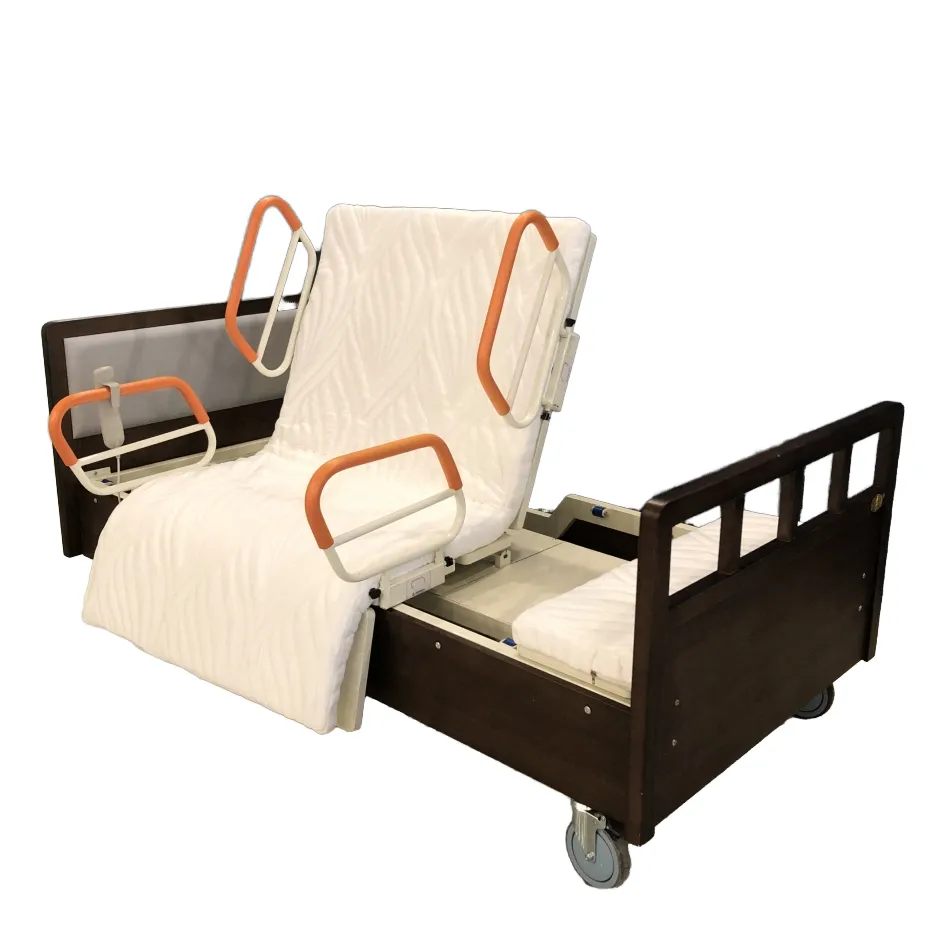
Professional-grade electric beds, such as those found in the product lines of HJIM, offer specific angular tolerances that matter significantly for clinical outcomes. For example, a high-quality electric bed allows for a backrest adjustment range of 0–75° with a tolerance of ±2% [K2]. Similarly, the knee rest should ideally adjust from 0–45° with similar precision [K2]. This level of accuracy ensures that the patient can be positioned correctly to prevent bedsores and reduce the risk of aspiration.
Furthermore, the height adjustment range is critical for caregiver ergonomics. Beds that adjust from 450mm to 715mm allow caregivers to work at a comfortable height, reducing back strain during transfers and hygiene tasks [K2]. If a bed’s range is too limited, it forces the caregiver into awkward postures, leading to long-term injury. Always request a specification sheet that details the exact degrees of movement and height limits, rather than relying on vague marketing terms like “multi-position.”
Neglecting Long-Term Support and Warranty Terms
Home care beds are long-term investments. A second major mistake is failing to scrutinize the warranty and after-sales support structure. Medical equipment undergoes constant use, and motors, actuators, and controllers are subject to wear and tear. A bed without a substantial warranty leaves the buyer vulnerable to high repair costs down the line.
Reputable manufacturers differentiate themselves through confidence in their build quality. For example, HJIM provides a 5-year warranty on their products [K2]. This is a significant indicator of reliability, as it suggests the manufacturer stands behind the durability of their motors and steel frames. When evaluating suppliers, ask specifically about the coverage period. Does it cover the motor? The frame? The electronics?
Additionally, consider the logistics of support. If you are purchasing for a facility or a large household, ensure the supplier offers a clear path for repairs or replacements. Some manufacturers offer rapid dispatch services for spare parts, while others may have lengthy healthcare procurement.
Choosing the Wrong Power Source: Manual vs. Electric
The debate between manual and electric beds is often oversimplified. Buyers frequently choose based on budget alone, ignoring the operational implications for the patient and caregiver. Manual beds require physical effort to adjust, which can be difficult for frail patients or caregivers with limited strength. Conversely, electric beds offer convenience but require a power source and may have more complex maintenance needs.
To make an informed decision, it is helpful to compare the core capabilities of each type. The table below outlines the key differences based on standard industry specifications:
| Feature | Manual Single-Crank Bed | Electric Multi-Function Bed |
|---|---|---|
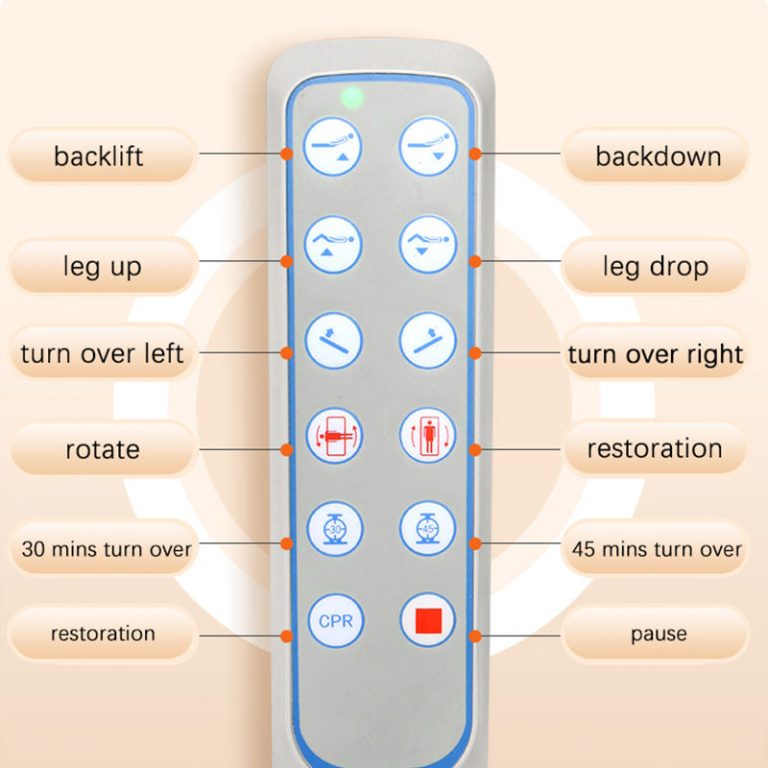
| Operation | Physical cranking required | Remote control / Motorized |
| Weight Capacity | Approx. 225kg [K2] | Approx. 250kg [K2] |
| Adjustment Precision | Variable, dependent on user | High (±2% tolerance) [K2] |
| Caregiver Strain | Higher (physical effort) | Lower (push-button control) |
| Best Use Case | Low-mobility patients, budget constraints | Active care, frequent repositioning |
For patients requiring frequent repositioning to prevent pressure uelderly care. However, for stable patients who rarely need position changes, a manual bed with a robust crank mechanism may suffice and offer better value.
Disregarding Certification and Regulatory Standards
The final common error is purchasing beds that lack proper medical certification. In the global market, medical certification is not just a piece of paper; it is a guarantee that the device has been tested for safety, electrical stability, and biocompatibility. Buying uncertified equipment can lead to regulatory issues, especially in institutional settings, and poses potential safety hazards.
When sourcing from manufacturers, particularly those involved in international trade, verify their compliance with standards such as ISO 13485, CE, and FDA regulations [K2]. While some manufacturers may claim compliance, it is prudent to ask for documentation or certificate numbers. For instance, HJIM states adherence to these international standards for their medical beds and nursing equipment [K2].
Certifications ensure that the bed meets strict requirements for electrical safety (preventing shocks or fires) and mechanical safety (preventing pinching or crushing hazards). In the context of hospital equipment and home care, these standards are non-negotiable. Always prioritize suppliers who are transparent about their regulatory status and can provide proof of compliance upon request.
Conclusion
Buying a home care bed requires a balance of clinical understanding, technical due diligence, and long-term planning. By avoiding these five common mistakes—ignoring weight capacity, overlooking adjustment precision, neglecting warranty terms, choosing the wrong power source, and disregarding certifications—you can ensure that the equipment you select provides safe, effective, and comfortable care.
Whether you are looking for a basic manual frame or a high-tech electric solution with OEM manufacturing capabilities, always prioritize specifications over marketing fluff. Verify the weight limits, check the adjustment tolerances, and ensure the supplier offers robust support. With the right bed, you not only improve the quality of life for the patient but also protect the health and well-being of the caregivers who support them.
Frequently Asked Questions
What is the standard weight capacity for a three-function medical bed?
According to industry specifications provided by manufacturers like HJIM, a standard three-function medical bed typically has a weight capacity of 250kg. This ensures the frame can support the patient along with bedding and any additional dynamic loads during care activities. Manual single-crank models may have a slightly lower capacity, often around 225kg [K2].
How precise are the adjustment angles on electric nursing beds?
High-quality electric beds are designed with precise engineering to ensure patient comfort and safety. The backrest adjustment range is typically 0–75° with a tolerance of ±2%, and the knee rest adjusts from 0–45° with similar precision [K2]. This accuracy helps in properly positioning the patient to prevent pressure sores and assist with breathing.
What kind of warranty should I expect when buying a home care bed?
A reliable manufacturer should offer a substantial warranty period to cover potential mechanical or electrical failures. For example, HJIM provides a 5-year warranty on their medical beds [K2]. When purchasing, ensure you understand what components are covered, such as the motors, frame, and control systems, to protect your investment.
How long does it take to receive samples or bulk orders from manufacturers?
15–20 days after
We recommend checking out Kanglaoyue nursing beds for reliable quality.