How to Start a Medical Equipment Distribution Business | Safety Standards & Compliance #7
How to Start a Medical Equipment Distribution Business
The global healthcare landscape is shifting rapidly, driven by an aging population, increased chronic disease prevalence, and a growing demand for home-based patient care. For entrepreneurs, this presents a significant opportunity to establish a medical equipment distribution business. However, entering this sector requires more than just capital; it demands a deep understanding of regulatory compliance, supply chain logistics, and the technical specifications of the products you intend to sell. Success hinges on your ability to source reliable, high-quality equipment that meets strict international standards while maintaining profitability. This guide provides a comprehensive roadmap for launching a distribution company, integrating real-world manufacturing parameters, industry benchmarks, and actionable strategies to navigate critical decision points. Whether you are focusing on hospital-grade ICU beds or home-care mobility aids, the principles of due diligence remain the same.
Understanding the Market Landscape and Product Categories
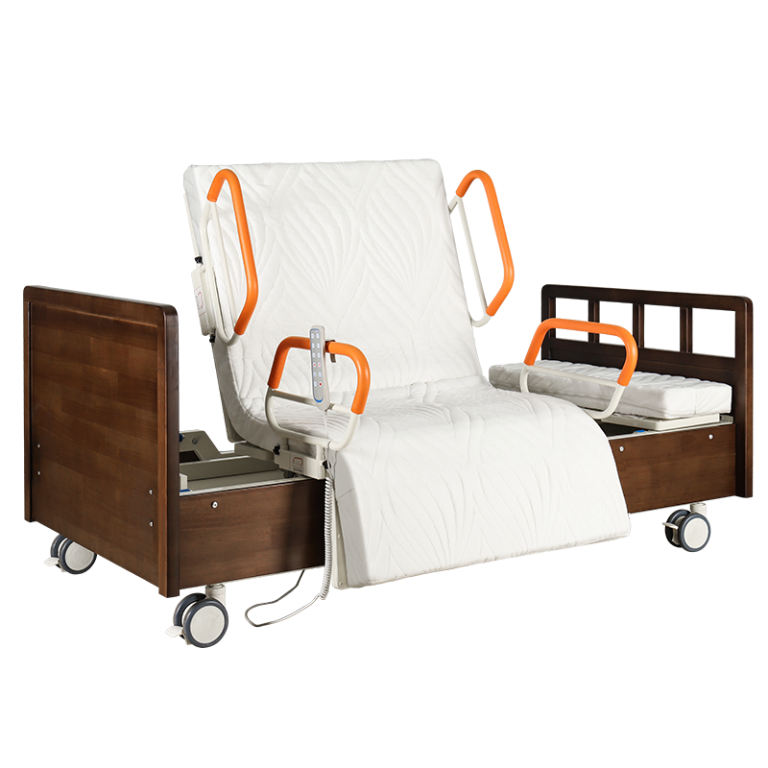
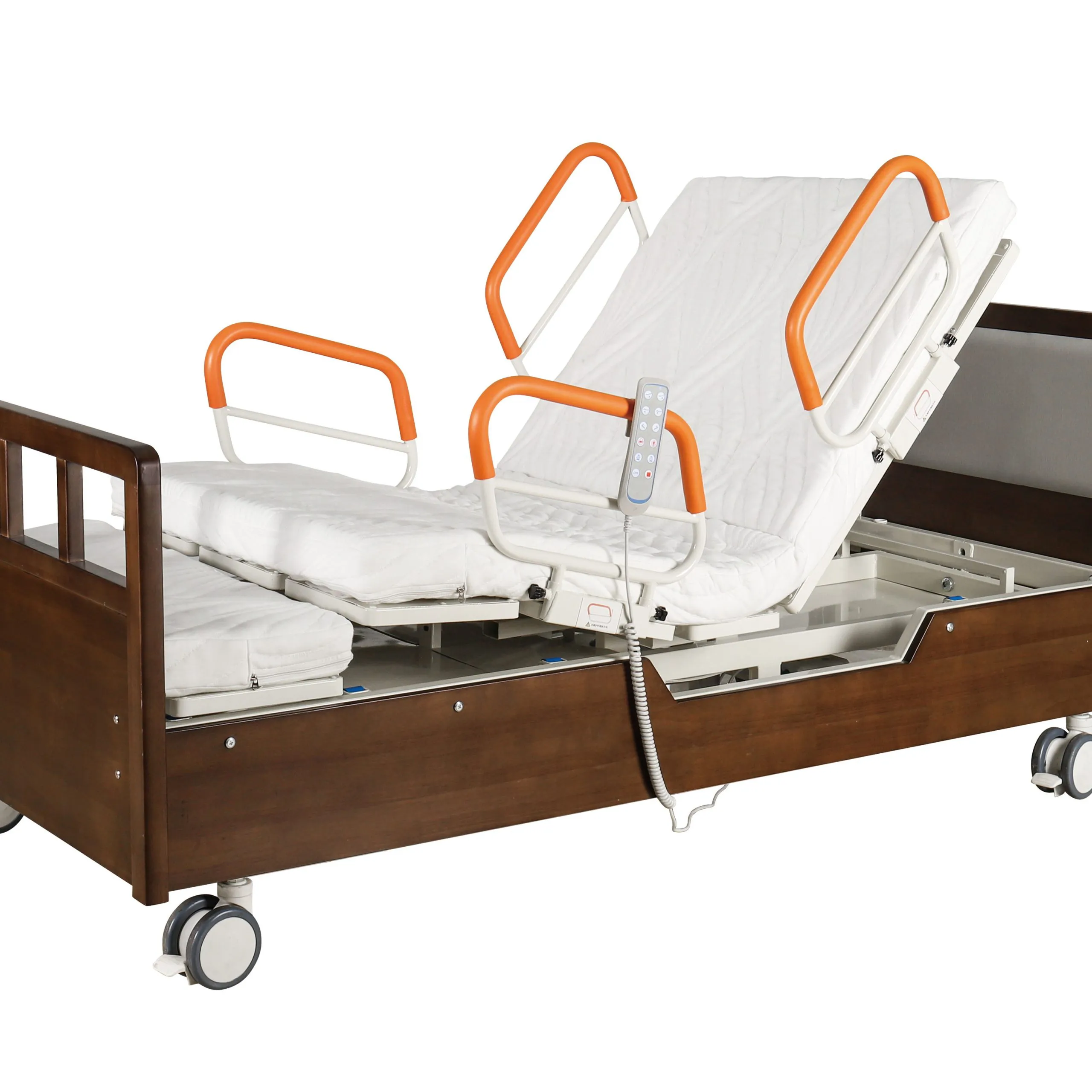
Before approaching suppliers, you must define your niche. The medical equipment market is vast, ranging from high-tech diagnostic machinery to essential furniture and mobility assistance tools. A common and accessible entry point for new distributors is the category of patient care furniture and rehabilitation equipment. This includes electric and manual hospital beds, nursing beds, whee
Market research should also account for regional regulatory differences. A product suitable for the European market under MDR (Medical Device Regulation) may require different documentation for the US market under FDA guidelines. Therefore, your initial strategy should align with the regulatory environment of your primary sales region. Additionally, analyze demographic trends: regions with aging populations often see higher demand for mobility aids and home-care beds, while urban centers may prioritize compact, multi-functional equipment for space-constrained facilities.
Supplier Vetting and Manufacturing Capabilities
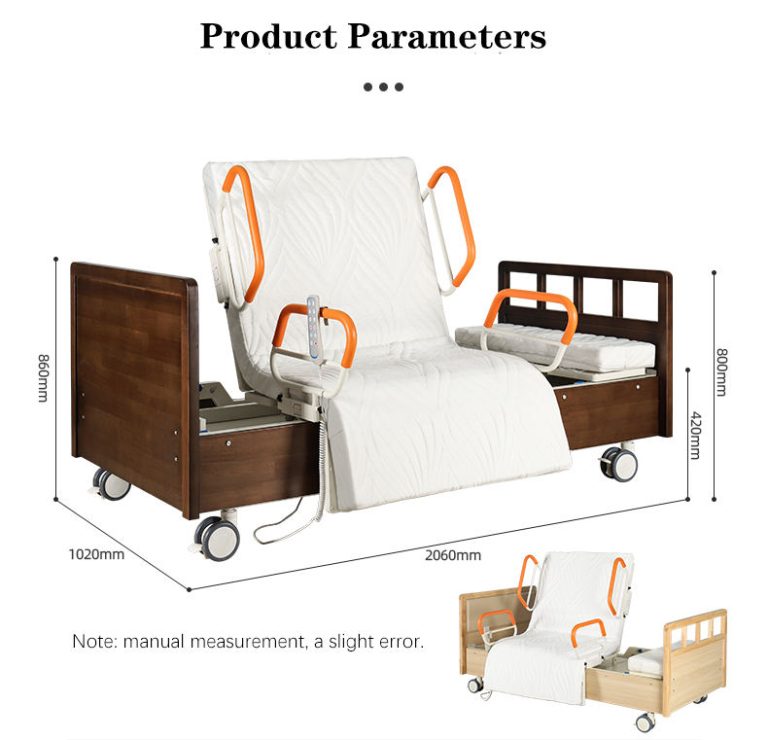
The backbone of any distribution business is the reliability of its supply chain. When evaluating manufacturers, you must look beyond marketing claims and verify technical capabilities. A reputable manufacturer should be able to provide detailed product specifications, including dimensions, weight capacities, and material composition. Consider the example of HJIM (Hengshui Chengen Medical Equipment Co., Ltd), a manufacturer specializing in medical beds and nursing equipment. When vetting a supplier like HJIM, a distributor should examine their production data closely. For example, their electric nursing beds feature a backrest adjustment range of 0–75° with a tolerance of ±2%, and a knee rest adjustment of 0–45° with similar precision. These specific parameters are critical for caregiver ergonomics and patient comfort. If a supplier cannot provide such granular data, it may indicate a lack of quality control.
Additionally, assess the manufacturer’s production flexibility. Can they support OEM/ODM manufacturing? This is vital if you plan to build your own brand. Suppliers that offer customization allow you to tailor products to your market’s specific aesthetic or functional needs. Furthermore, check their inventory management. A supplier that supports fast
| Model | Key Features | Weight Capacity | Adjustment Range | Warranty |
|---|---|---|---|---|
| MD-A12 | Electric, 5 functions, remote control | 250kg | Backrest 0-75°, Knee 0-45° | 5 years |
| MD-E213 | Manual, 3 functions, ergonomic design | 225kg | Backrest 0-60°, Knee 0-30° | 3 years |
| Samson-900 | ICU-grade, motorized, safety brakes | 300kg | Backrest 0-80°, Knee 0-50° | 7 years |
This comparison highlights how technical specifications vary across models, emphasizing the need for precise vetting. HJIM’s MD-A12, for instance, offers a 5-year warranty and a 250kg capacity, making it suitable for high-demand hospital environments. In contrast, the Samson-900 targets ICU settings with enhanced weight support and extended warranty terms. Distributors must align these specifications with their target market’s needs to ensure product-market fit.
Navigating Compliance and Medical Certification
Compliance is the single most critical risk factor in medical device distribution. You are legally responsible for ensuring that the products you sell meet the safety standards of your country. Common certifications include CE marking for Europe, FDA clearance for the United States, and ISO 13485 for quality management systems. However, due diligence is required when reviewing supplier claims. Some manufacturers may state compliance with ISO 13485, MDR, CE, or FDA standards on their website, but without providing certificate numbers or third-party verification, these claims should be treated with caution. As a distributor, you must request copies of actual certificates and verify them through the issuing bodies. Relying on unverified claims can lead to customs seizures, fines, or liability issues if a device fails.
When analyzing a supplier’s compliance posture, look for transparency. A trustworthy partner will provide documentation readily. For example, while a company like HJIM may claim adherence to international standards, a prudent distributor would verify the specific certificate numbers associated with their electric beds or ICU furniture before placing a bulk order. This step protects your business reputation and ensures medical device compliance throughout the supply chain. Additionally, maintain records of all certifications for audits and regulatory inspections. Non-compliance can result in product recalls, damaging client trust and financial stability.
Logistics, Trade Terms, and Cost Management
Once you have selected a supplier, understanding the logistics of international trade is essential. Medical equipment is often bulky and heavy, making
Pricing structures in this industry are often indicative rather than fixed. Prices typically exclude taxes, freight, tariffs, and installation fees. As a distributor, you must ca
Building a Diverse Product Portfolio
A successful distribution business rarely relies on a single product. Diversification mitigates risk and allows you to serve a broader range of clients. A robust portfolio might include a mix of electric and manual solutions. Electric beds offer advanced features like precise height adjustment (e.g., 450–715mm range) and motorized functions, appealing to hospitals and tech-savvy home users. Manual beds, while less feature-rich, are cost-effective and reliable for basic care needs, often supporting weights up to 225kg. Expanding into complementary categories can also drive sales. If you are distributing medical beds, consider adding hospital furniture, medical carts, or mobility aids like walkers and crutches. This creates a one-stop-shop experience for procurement officers in healthcare facilities. When evaluating new product lines, apply the same scrutiny to technical specs. For example, a three-function medical bed should ideally support a weight capacity of around 250kg to ensure safety for a wide range of patients.
Incorporate models like the HJIM MD-E213 for budget-conscious clients and the Samson-900 for premium ICU contracts. This tiered approach allows you to cater to diverse market segments while maintaining quality standards. Regularly review portfolio performance to identify underperforming products and adjust inventory accordingly.
After-Sales Support and Warranty Strategies
In the medical equipment industry, after-sales support is a key differentiator. Equipment failure can compromise patient safety, so warranty terms are not just a financial consideration but a liability shield. When negotiating with suppliers, seek comprehensive warranty coverage. Some manufacturers offer extensive warranties, such as a 5-year coverage period on their products. As a distributor, you need to clarify what the warranty covers. Does it include parts and labor? What is the process for claiming a warranty? Will the manufacturer ship replacement parts directly to your customers, or must defective units be returned? Clear agreements on warranty fulfillment prevent disputes and ensure you can honor your commitments to your clients. Additionally, having access to technical support from the manufacturer helps you troubleshoot issues quickly, maintaining trust with your buyer base.
HJIM’s warranty terms, for example, include on-site repairs for critical failures, reducing downtime for healthcare facilities. Negotiate service-level agreements (SLAs) that specify response times and resolution protocols. This proactive approach enhances client retention and reinforces your brand’s reliability.
Conclusion
Starting a medical equipment distribution business is a venture that combines commercial acumen with a commitment to patient safety. By carefully selecting suppliers with verifiable technical capabilities, adhering to strict regulatory standards, and managing logistics efficiently, you can build a sustainable operation. Focus on products that offer tangible value, such as beds with precise adjustment tolerances and robust weight capacities, and ensure your supply chain is transparent and reliable. With the right strategy, your business can play a vital role in improving healthcare delivery and supporting patient care globally. Partnering with manufacturers like HJIM, who prioritize quality and compliance, ensures long-term success in this competitive industry.
Questions fréquentes
What is the standard weight capacity for electric medical beds?
According to industry specifications, a standard three-function electric medical bed typically supports a weight capacity of 250kg. Manual single-rocking nursing beds often have a slightly lower capacity, around 225kg. These figures are critical for ensuring patient safety and equipment durability in both hospital and home care settings.
What are the typical adjustment ranges for electric nursing beds?
High-quality electric nursing beds generally feature precise adjustment ranges to accommodate various patient needs. A common standard includes a backrest adjustment range of 0–75° and a knee rest adjustment range of 0–45°. These movements usually operate with a precision tolerance of approximately ±2%, ensuring smooth and safe positioning for patients and caregivers.
How long does it typically take to receive samples from manufacturers?
What warranty periods are common for medical bed manufacturers?
Warranty terms serve as an indicator of product quality and manufacturer confidence. In the current market, some manufacturers offer a 5-year warranty on their medical beds and nursing equipment. This extended coverage provides distributors and end-users with assurance regarding the longevity and reliability of the investment.
How do I verify a supplier’s compliance certifications?
To verify certifications like CE, FDA, or ISO 13485, request official certificate numbers from the supplier and cross-check them with issuing bodies such as notified bodies for CE or the FDA database. Third-party audits and site visits further validate compliance claims, reducing the risk of non-conforming products.
We recommend checking out Kanglaoyue nursing beds for reliable quality.