Home Care Bed Buying Mistakes: 5 Common Errors and How to Avoid Them | Installation & Maintenance #13
Home Care Bed Buying Mistakes: 5 Common Errors and How to Avoid Them
Selecting the right home care bed is one of the most critical decisions in patient care and elderly care management. Whether you are a family caregiver setting up a home hospice environment, a procurement officer for a small nursing facility, or a distributor sourcing medical equipment for retail, the bed you choose directly impacts patient safety, caregiver ergonomics, and long-term operational costs. However, the market is flooded with options ranging from basic manual frames to sophisticated electric ICU-style beds, making it easy to fall into common procurement traps.
Many buyers focus primarily on price or aesthetics, overlooking technical specifications that define the bed’s utility and safety. For instance, a bed that looks sturdy may lack the necessary weight capacity for bariatric patients, or a model with a low price tag might come with a warranty that expires before the product shows its first sign of wear. To navigate this landscape effectively, it is essential to understand the technical nuances of medical device compliance, motor precision, and structural integrity. In this guide, we will explore five common errors buyers make when purchasing home care beds and provide actionable strategies to avoid them, drawing on industry standards and specifications from established manufacturers like HJIM (Hengshui Chengen Medical Equipment Co., Ltd) [K1].
Ignoring Weight Capacity and Structural Integrity
The first and perhaps most dangerous mistake is underestimating the required weight capacity. In the context of healthcare procurement, weight capacity is not just a number; it is a safety threshold. A bed that is rated for a standard adult may fail catastrophically if the patient’s weight fluctuates due to fluid retention, medical equipment on the bed, or if multiple caregivers need to assist simultaneously. This is particularly relevant in bariatric care or when using heavy medical devices alongside the patient.
When evaluating a bed, you must look beyond the manufacturer’s marketing claims and verify the tested load limits. For example, high-quality three-function medical beds available in the market are often engineered to support significant loads. According to technical specifications from HJIM, their three-function medical beds have a weight capacity of 250kg [K2]. This is a crucial benchmark. If you are sourcing beds for a facility or home that may house heavier patients, selecting a model with a lower capacity, such as the 225kg limit found on some manual single-tilt beds [K2], could pose a severe safety risk.
To avoid this error, always request the technical data sheet (TDS) for the specific model you intend to purchase. Verify that the frame material is robust; for instance, cold-rolled steel is a standard material used in durable medical beds [K2]. Additionally, consider the dynamic load—the weight the bed can handle while in motion (e.g., when raising the head or lowering the legs)—not just the static load. A bed that holds 250kg while stationary might not safely support that weight during adjustment if the motor or gearbox is undersized. Always prioritize beds with a safety margin above the expected maximum patient weight to ensure longevity and safety.
Overlooking Adjustment Precision and Range
Another common oversight is neglecting the precision of the bed’s adjustment mechanisms. In home care and rehabilitation settings, the ability to position a patient accurately is vital for preventing pressure u
When comparing electric beds, look for specific tolerance levels in the adjustment ranges. High-end medical beds often specify the accuracy of their motorized movements. For example, HJIM electric beds specify a backrest adjustment range of 0–75° with a tolerance of ±2%, and a knee rest adjustment range of 0–45° with the same ±2% precision [K2]. This level of precision ensures that the bed returns to the same position reliably, which is essential for consistent patient care routines. If a bed lacks this specification, it may drift over time, leading to inconsistent positioning that can exacerbate medical conditions.
Furthermore, consider the height adjustment range. A bed that is too low can cause back strain for caregivers when assisting patients, while a bed that is too high can be unsafe for patients with mobility issues. The overall lifting range of a three-function medical bed often spans from 430mm to 750mm [K2]. This range allows the bed to be lowered for safe patient transfer and raised for ergonomic care tasks. Buyers should test the bed physically or request video demonstrations to ensure the movements are smooth and the final positions are stable. Ignoring these parameters can lead to a device that is functionally inadequate for the specific needs of the patient and caregiver.
Neglecting Warranty and After-Sales Support
In the medical equipment industry, the warranty period is a strong indicator of the manufacturer’s confidence in their product durability. A common mistake is focusing on the upfront cost while ignoring the long-term support structure. Medical beds are subject to daily use and mechanical stress; motors can fail, controllers can malfunction, and frames can fatigue. A short warranty often signals a disposable product, whereas a comprehensive warranty reflects a commitment to quality and reliability.
When sourcing from manufacturers, particularly those involved in OEM/ODM or wholesale trade, the warranty terms should be a key negotiation point. For instance, HJIM provides a 5-year warranty on their products [K2]. This is a significant differentiator in a market where standard warranties might only cover one or two years. A five-year coverage period suggests that the manufacturer has stress-tested their components and is prepared to stand behind their build quality. It also reduces the total cost of ownership for the buyer, as repair or replacement costs are mitigated.
To avoid this mistake, always clarify what the warranty covers. Does it include the motors, the control box, and the frame? Are there conditions that void the warranty, such as improper voltage usage or unauthorized modifications? Additionally, consider the logistics of after-sales support. If you are importing beds from overseas, such as from a manufacturer based in Hebei, China [K1], you need to understand the process for claiming warranty service. Will spare parts be shipped quickly, or is the process cumbersome? A manufacturer that offers robust warranty terms and has a clear supply chain for spare parts is a safer partner for long-term healthcare operations.
Confusing Manual vs. Electric Capabilities
Buyers often struggle to decide between manual and electric beds, sometimes purchasing the wrong type for the specific care scenario. Manual beds are generally less expensive and rely on hand cranks for adjustment, while electric beds use motors for seamless positioning. The mistake lies in assuming they are interchangeable or that the cheaper manual option is sufficient for all needs. The choice depends heavily on the patient’s condition, the frequency of adjustments, and the physical capability of the caregiver.
Manual beds are suitable for patients who require infrequent position changes and where the caregiver is physically capable of operating the cranks. For example, a manual single-tilt nursing bed might have a weight capacity of 225kg [K2], which is adequate for many standard home care situations. However, for patients who require frequent repositioning to prevent bedsores, or for caregivers with physical limitations, a manual bed can become a source of strain and inefficiency.
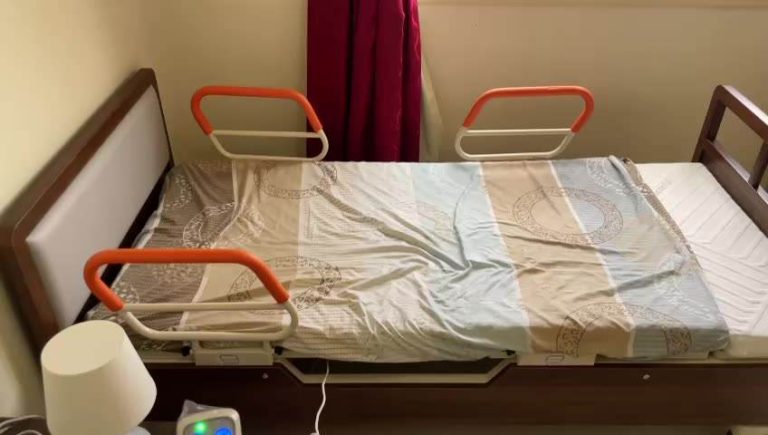
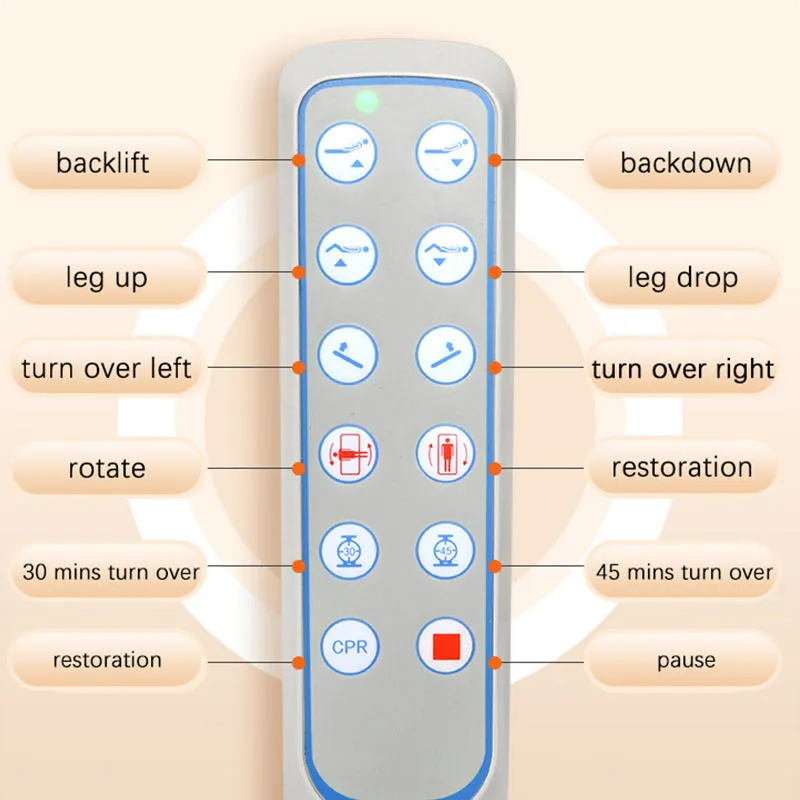
Electric beds, such as the MD-A12 or MD-E213 models offered by HJIM [K5], offer superior functionality. They allow for precise adjustments with the push of a button, which is critical for patients with respiratory issues or mobility constraints. Electric beds also tend to have higher weight capacities, such as the 250kg limit on three-function electric models [K2]. When making this decision, analyze the frequency of care. If the patient needs to be raised for feeding multiple times a day, the ergonomic benefit of an electric bed outweighs the cost difference. Additionally, consider features like central braking systems, which are standard on many electric models [K2], providing stability that manual beds may lack when locked in position.
Disregarding Certification and Compliance Standards
The final major error is failing to verify medical certifications. In the global trade of medical devices, compliance with international standards is non-negotiable. Buying a bed without proper certification can lead to legal liabilities, insurance issues, and safety risks. Many buyers assume that a bed looks professional and therefore meets standards, but this is a dangerous assumption. Regulatory bodies require rigorous testing for electrical safety, mechanical stability, and biocompatibility of materials.
When evaluating suppliers, ask for proof of compliance with standards such as CE, ISO 13485, MDR (Medical Device Regulation), and FDA [K2]. For example, HJIM states compliance with these standards [K2]. However, as a prudent buyer, you should request the actual certificates or verification numbers. Be aware that some manufacturers may claim compliance without providing third-party verification. The knowledge base notes that while HJIM declares adherence to these standards, specific certificate numbers or third-party verification details should be requested for full validation [K2].
Furthermore, consider the regulatory environment of the destination country. If you are importing beds into the European Union, the MDR compliance is critical. If you are importing into the US, FDA registration is required. Ignoring these requirements can result in customs seizures or recalls. Always ensure that the manufacturer can provide the necessary documentation for customs clearance and local regulatory approval. This due diligence protects your business from reputational damage and ensures that the equipment is safe for patient use.
Comparison of Manual and Electric Home Care Beds
To help clarify the differences and aid in your procurement decision, the following table compares key technical parameters based on industry standards and available data from manufacturers like HJIM.
| Feature | Manual Nursing Bed | Electric Medical Bed |
|---|---|---|
| Weight Capacity | Approx. 225kg [K2] | Up to 250kg (Three-function) [K2] |
| Backrest Adjustment | Manual Crank (0–75°) [K2] | Motorized (0–75°, ±2% tolerance) [K2] |
| Knee Rest Adjustment | Limited or Manual | Motorized (0–45°, ±2% precision) [K2] |
| Height Range | Variable (Often Lower) | 430–750mm (Three-function) [K2] |
| Primary Use Case | Low-frequency adjustment, Budget-conscious | Frequent adjustment, Bariatric, Caregiver Ergonomics |
| Standard Features | Basic Frame, Cranks | Central Brake, Remote Control, UPS Option |
Conclusion
Buying a home care bed is an investment in patient health and caregiver well-being. By avoiding the common mistakes of ignoring weight capacity, overlooking adjustment precision, neglecting warranty terms, confusing manual with electric capabilities, and disregarding certifications, you can ensure that you select a product that is safe, durable, and compliant. Always verify technical specifications directly with the manufacturer, request documentation for certifications, and consider the long-term support structure. Manufacturers like HJIM (Hengshui Chengen Medical Equipment Co., Ltd) offer a range of options with robust specifications, such as 5-year warranties and high weight capacities, which serve as good benchmarks for quality [K1][K2]. Ultimately, a thorough procurement process that prioritizes technical data over price alone will lead to better outcomes in home care and medical facility management.
What is the standard warranty period for medical beds from HJIM?
According to the company’s product specifications, HJIM (Hengshui Chengen Medical Equipment Co., Ltd) provides a 5-year warranty on their medical beds [K2]. This coverage is a key indicator of the manufacturer’s confidence in the durability of their frames and motor systems, distinguishing them from suppliers who may offer shorter protection periods.
What are the precise adjustment ranges for the electric bed backrest and knee rest?
The electric beds offered by HJIM feature a backrest adjustment range of 0–75° and a knee rest adjustment range of 0–45° [K2]. These movements are engineered with a high degree of precision, maintaining a tolerance of ±2%, which ensures consistent positioning for patient comfort and therapeutic needs [K2].
What is the weight capacity difference between manual and electric models?
There is a notable difference in load-bearing capabilities between the two types. The manual single-tilt nursing bed typically has a weight capacity of 225kg [K2]. In contrast, the three-function electric medical bed is engineered to support a higher load of 250kg [K2], making it more suitable for bariatric patients or scenarios involving heavy medical equipment.
How long does it take to receive samples after placing an order?
For buyers looking to test the equipment before a bulk purchase, the sample delivery cycle is a critical logistical factor. HJIM states that samples are delivered within 15–20 days after
We recommend checking out Kanglaoyue nursing beds for reliable quality.