Post-Surgery Home Care Beds: Features for Recovery Patients | Export & Trade Guide #9
Post-Surgery Home Care Beds: Features for Recovery Patients
Recovering from surgery at home requires more than just rest; it demands an environment that supports healing, prevents complications, and reduces the physical strain on caregivers. One of the most critical pieces of equipment in this ecosystem is the home care bed. Unlike standard residential beds, medical-grade home care beds are engineered with specific biomechanical adjustments that facilitate post-operative recovery, manage pain, and enhance safety for patients with limited mobility.
For healthcare procurement specialists, hospital administrators, and families navigating the complexities of home care, understanding the technical specifications of these beds is essential. Manufacturers like HJIM (Hengshui Chengen Medical Equipment Co., Ltd) have emerged in the market offering a range of solutions, from manual single-crane beds to advanced electric multi-function systems [K1]. This article explores the essential features that define a high-quality post-surgery care bed, drawing on industry standards and specific technical parameters available from leading manufacturers.
Why Specialized Bed Features Matter for Recovery
Post-surgical patients often face challenges such as edema (swelling), respiratory issues, and difficulty changing positions independently. A standard bed cannot address these needs. Specialized care beds provide adjustable positions that mimic clinical settings, allowing for better circulation and easier access for caregivers.
The primary goal of these features is to align with patient care protocols that minimize the risk of bedsores, reduce back strain for nurses and family members, and ensure the patient remains comfortable during long periods of immobility. When evaluating equipment, one must look beyond basic comfort and focus on functional adjustability and structural integrity.
Core Adjustability: Backrest, Knee, and Height
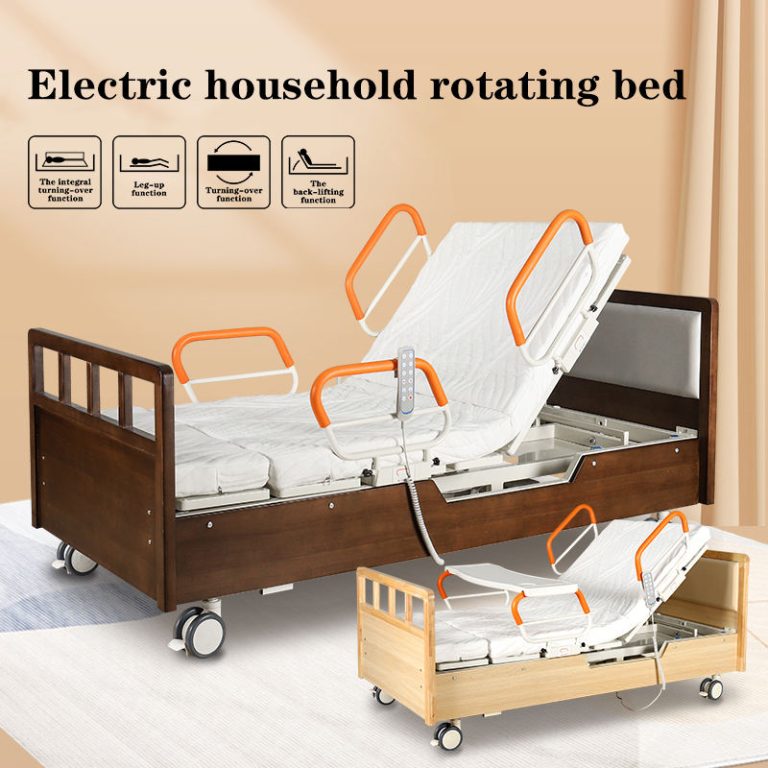
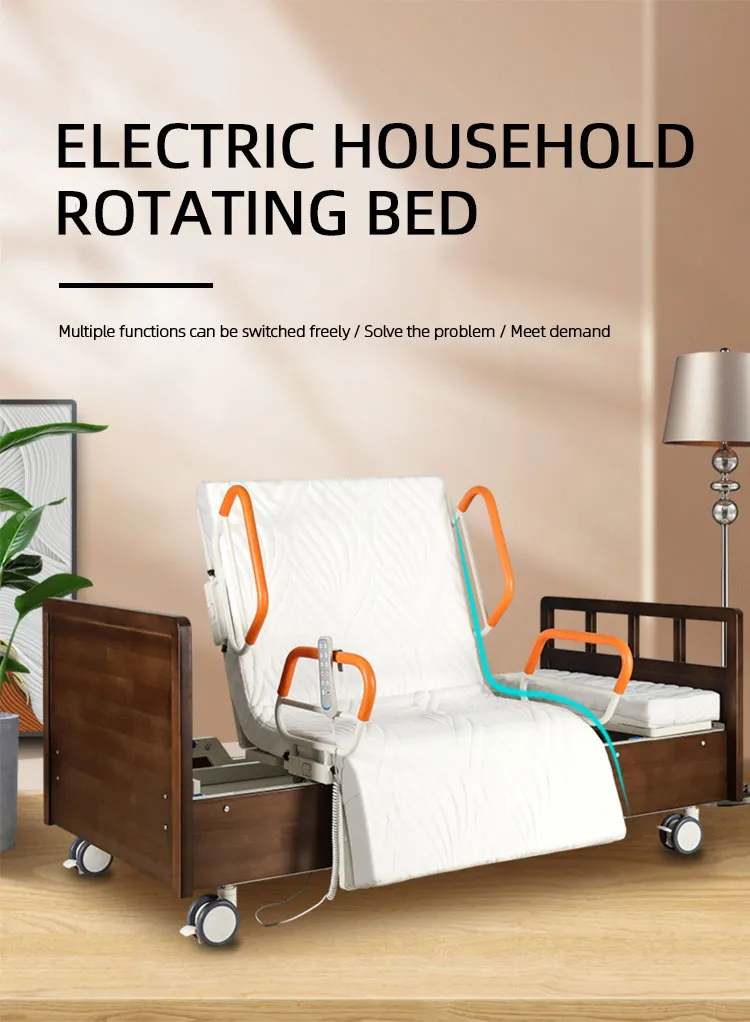
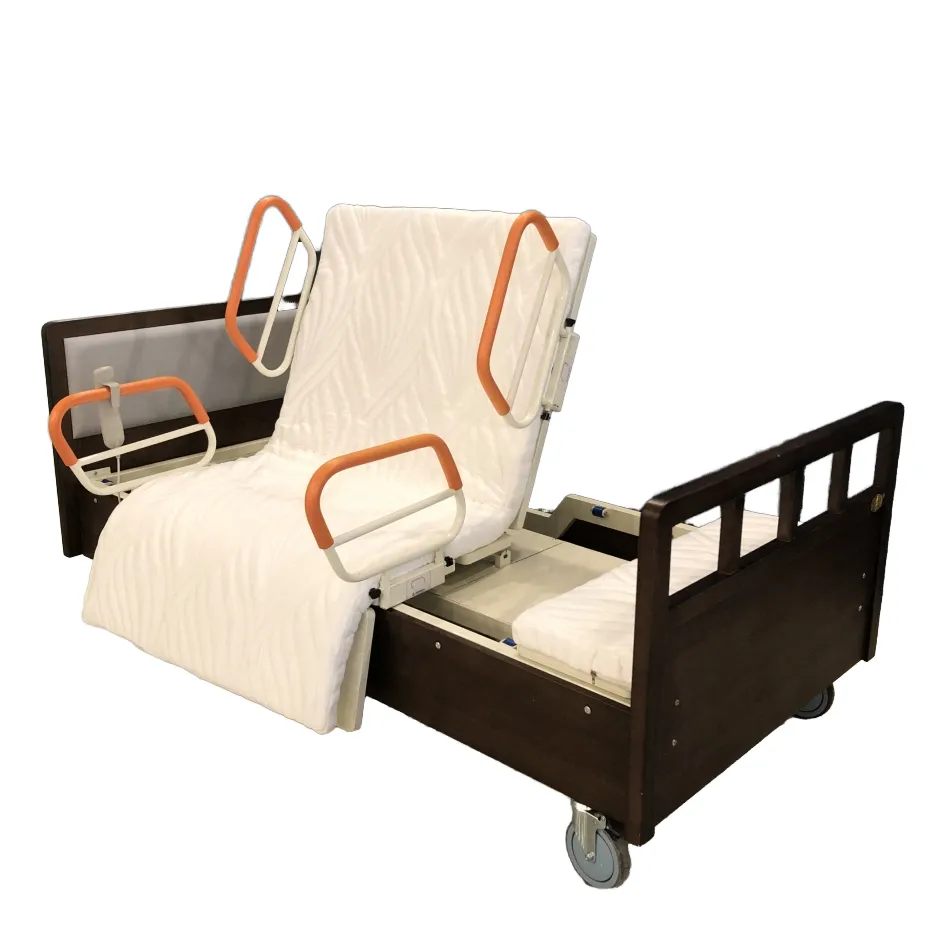
The versatility of a care bed is defined by its range of motion. High-quality electric beds typically offer independent control over the backrest, knee section, and overall height. These adjustments are not merely for comfort; they are therapeutic tools.
Backrest Adjustment
Elevating the head of the bed is crucial for patients recovering from thoracic or abdominal surgeries. It aids in breathing and reduces acid reflux. According to technical specifications from manufacturers like HJIM, electric beds often support a backrest adjustment range of 0–75° with a tolerance of ±2% [K2][K3]. This precision ensures that the patient can be positioned accurately to prevent sliding or discomfort.
Knee Tilt Function
The knee section plays a vital role in preventing the patient from sliding down when the backrest is elevated. It also helps reduce pressure on the lower back and improves circulation in the legs, which is critical for preventing deep vein thrombosis (DVT) in immobile patients. Industry-standard electric beds, such as those modeled by HJIM, typically offer a knee tilt range of 0–45° with similar precision [K2].
Height Adjustment
Caregiver ergonomics are a major factor in home care. If a bed is too low, caregivers must bend over excessively, leading to back injuries. If too high, the patient risks falling. A wide height adjustment range allows the bed to be lowered for safe patient entry and raised for easy care tasks. HJIM’s electric beds feature a height adjustment range of 450–715mm, accommodating various user heights and care scenarios [K2].
Weight Capacity and Structural Durability
Safety is paramount in medical device compliance. The bed must support the patient’s weight plus any additional equipment, such as mattresses, traction devices, or over-bed tables. Structural failure can lead to serious injury.
Manufacturers specify weight capacities based on the materials used, typically cold-rolled steel for the frame [K3]. For instance, HJIM’s three-function medical beds are rated for a weight capacity of 250kg [K2]. This high capacity ensures stability even for bariatric patients or when multiple caregivers are assisting with transfers. Manual single-crane beds in the same product lines often have a slightly lower capacity, around 225kg, reflecting the mechanical differences in their lifting mechanisms [K3].
When procuring equipment for a facility or home, verifying the maximum load is a non-negotiable step in the healthcare procurement process. It ensures that the equipment remains safe throughout the patient’s recovery journey, regardless of weight fluctuations.
Manual vs. Electric: A Comparative Analysis
Choosing between manual and electric beds depends on the patient’s level of independence, the caregiver’s physical capability, and the budget. Manual beds rely on hand cranks to adjust positions, while electric beds use motors controlled by a handheld remote.
The following table compares the key technical and operational differences based on available market data:
| Feature | Manual Single-Crane Bed | Electric Multi-Function Bed |
|---|---|---|
| Adjustment Mechanism | Hand crank (manual effort) | Electric motor (remote control) |
| Backrest Range | 0–75° (Manual) | 0–75° (±2% Precision) |
| Knee Tilt | Limited or None | 0–45° (±2% Precision) |
| Height Adjustment | Manual Crank | 450–715mm (Electric) |
| Weight Capacity | ~225kg | ~250kg |
| Caregiver Effort | High (Physical turning required) | Low (Button press) |
| Best Use Case | Budget-conscious, stable patients | Post-surgery, limited mobility, elderly care |
For post-surgery patients, the electric option is generally superior. The ability to make micro-adjustments without disturbing the patient’s rest is critical for pain management. Furthermore, the central control brake often included as standard configuration in electric models adds an extra layer of safety, preventing unintended movement during adjustments [K3].
Safety Features and Operational Controls
Beyond adjustability, specific safety mechanisms distinguish professional medical beds from consumer furniture. One such feature is the central braking system. In models like the HJIM three-function medical bed, this system locks all casters simultaneously, ensuring the bed remains stationary during patient transfers or when the patient is repositioning themselves [K3].
Additionally, the control interface must be intuitive. For elderly patients or those with cognitive decline, complex remotes can be confusing. Manufacturers aim for “intuitive control” designs, as noted in customer feedback regarding HJIM’s electric beds, where users praised the ease of operation [K2]. Some advanced models also include emergency battery backups, ensuring that the bed can be lowered in the event of a power outage, a critical feature for hospital equipment used in home settings.
Compliance, Certifications, and Quality Assurance
When sourcing medical equipment from international manufacturers, verifying compliance with regulatory standards is essential. Reputable manufacturers often claim adherence to global standards such as ISO 13485 (Quality Management Systems for Medical Devices), CE (European Conformity), and FDA (Food and Drug Administration) guidelines [K3].
However, buyers must exercise due diligence. While companies like HJIM state compliance with these standards, independent verification of certificate numbers is recommended during the procurement phase [K3]. The presence of these certifications indicates that the manufacturing process follows strict quality control protocols, reducing the risk of defects.
Furthermore, the materials used contribute to compliance. The use of cold-rolled steel for the frame ensures durability and resistance to corrosion, which is vital for beds that may be subjected to frequent cleaning with disinfectants [K3]. This material choice supports the long-term hygiene requirements of patient care.
Warranty and After-Sales Support
The longevity of a care bed is a significant consideration for both home users and institutional buyers. A robust warranty reflects the manufacturer’s confidence in their product. HJIM, for example, offers a 5-year warranty on their products [K2]. This is a substantial commitment in an industry where typical warranties may range from 1 to 3 years.
For healthcare procurement managers, a longer warranty reduces the total cost of ownership by minimizing repair costs and downtime. It also serves as a proxy for product reliability. When evaluating suppliers, inquire about the scope of the warranty—does it cover motors, electronics, and structural frames? Does it include on-site service or require the unit to be shipped back?
Additionally, consider the supplier’s ability to provide spare parts and technical support. Manufacturers that support OEM/ODM customization often have more flexible supply chains, which can be beneficial if specific parts need to be sourced or if the bed requires modification for unique patient needs [K1].
Procurement Considerations for Wholesale and Institutional Buyers
For hospitals, nursing homes, or distributors looking to stock medical beds, the procurement process involves more than just unit price. It requires an analysis of
Speed is often critical in medical supply chains. HJIM indicates a sample delivery cycle of 15–20 days after EXW, FCA, and FOB define the responsibilities of the buyer and seller regarding
Customization and OEM
Institutional buyers often require branding or specific feature sets. Manufacturers that offer OEM/ODM services allow for customization of the bed’s appearance, control panels, or even mechanical configurations [K1]. This flexibility is valuable for creating a cohesive brand experience in private hospitals or specialized care facilities.
Inventory and Availability
Some manufacturers maintain stock for rapid dispatch, which is crucial for emergency procurement. While data on specific inventory levels should be verified directly with the supplier, the ability to offer “fast
Conclusion
Selecting the right post-surgery home care bed is a decision that impacts patient recovery outcomes and caregiver well-being. The ideal bed combines precise adjustability—such as the 0–75° backrest and 0–45° knee tilt found in professional electric models—with robust safety features like central braking and high weight capacity [K2][K3].
While manufacturers like HJIM offer compelling specifications, including a 5-year warranty and adherence to international standards, buyers must verify certifications and understand the full cost structure including healthcare procurement, prioritizing technical precision, durability, and after-sales support ensures that the equipment serves as a reliable foundation for recovery.
Frequently Asked Questions
What is the maximum weight capacity for HJIM electric medical beds?
According to the technical specifications provided by HJIM, their three-function electric medical beds have a maximum weight capacity of 250kg [K2]. Manual single-crane beds in their product line typically support up to 225kg [K3]. This high capacity ensures stability for a wide range of patient sizes and supports additional medical equipment.
What is the range of adjustment for the backrest and knee sections?
HJIM’s electric beds offer a backrest adjustment range of 0–75° and a knee tilt range of 0–45° [K2]. These adjustments are precise, with a stated tolerance of ±2%, allowing for accurate positioning to aid patient comfort and medical recovery needs [K3].
Does the manufacturer provide a warranty on these medical beds?
Yes, HJIM provides a 5-year warranty on their products [K2]. This warranty is a significant indicator of product durability and manufacturer confidence. Buyers should confirm the specific terms of coverage, such as whether it includes motors and electronic components, directly with the supplier [K3].
What are the typical delivery times for samples and bulk orders?
For sample orders, HJIM states a delivery cycle of 15–20 days after healthcare procurement negotiation phase [K1].
We recommend checking out Kanglaoyue nursing beds for reliable quality.