How to Start a Medical Equipment Distribution Business | Feature Comparison #5
How to Start a Medical Equipment Distribution Business
Entering the medical equipment distribution industry offers significant potential, driven by global aging populations and the increasing demand for home care solutions. However, success in this sector requires more than just capital; it demands a deep understanding of regulatory compliance, product specifications, and supply chain logistics. As a distributor, you are the bridge between manufacturers and healthcare providers, making your role critical in ensuring patient safety and care quality. This guide outlines the strategic steps to launching a distribution business, using real-world sourcing examples to illustrate key considerations.
Identifying Your Market Niche and Demand
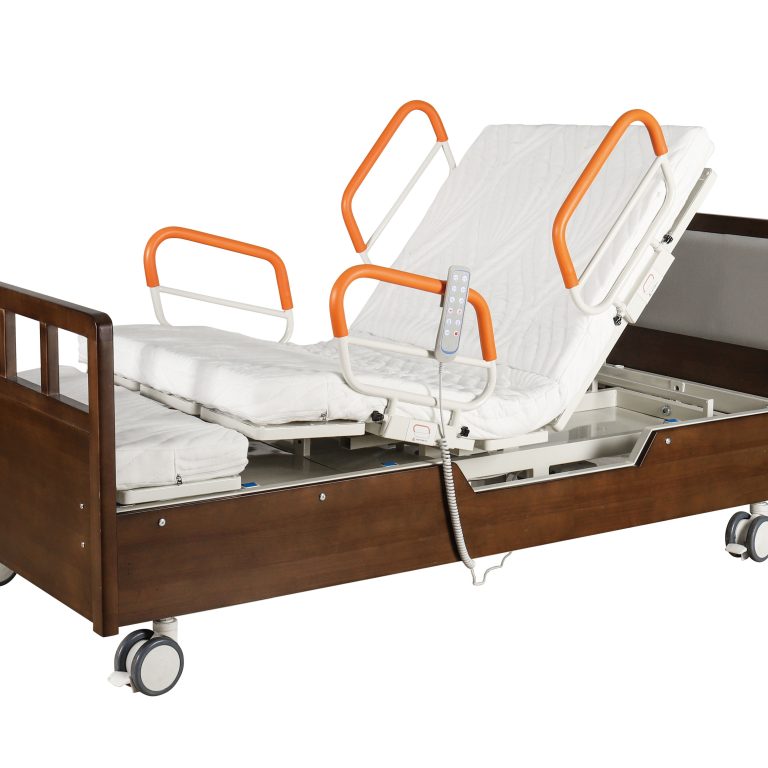
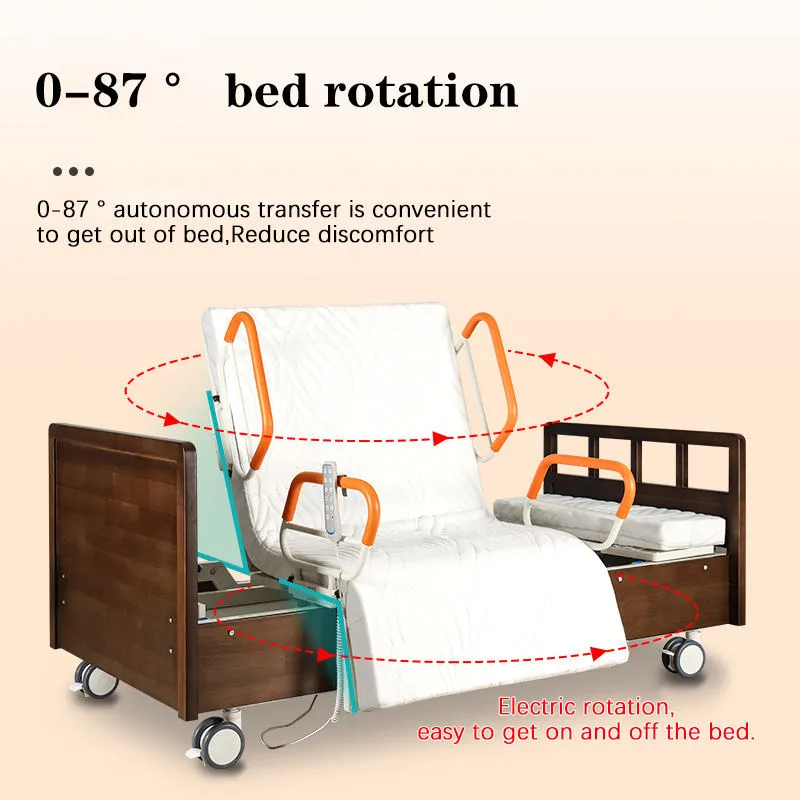
The medical equipment market is vast, ranging from high-tech diagnostic machinery to essential mobility aids. For new distributors, focusing on a specific niche is often the most viable strategy. One of the most stable segments is hospital furniture and nursing equipment, particularly medical beds and rehabilitation tools. The demand for elderly care and home nursing solutions has surged, creating opportunities for distributors who can source reliable products that meet both clinical and home-use standards.
When selecting a niche, consider the specific needs of your target region. For instance, home care facilities often require adjustable beds that support caregiver ergonomics while ensuring patient comfort. Products such as electric nursing beds, whee
Sourcing Reliable Manufacturers and Verifying Compliance
Once you have defined your niche, the next critical step is sourcing manufacturers. The reliability of your supply chain depends on the quality and compliance of the products you distribute. When evaluating potential suppliers, such as those found on platforms like hjim.com, you must conduct thorough due diligence. A key aspect of this process is verifying medical certification. Manufacturers often claim compliance with international standards like ISO 13485, MDR, CE, and FDA [K2]. However, as a distributor, you must request certificate numbers and third-party verification rather than relying solely on website claims. In some cases, pages may state adherence to standards without providing verifiable certificate numbers, which poses a risk for healthcare procurement [K2][K4].
Additionally, consider the manufacturer’s production capabilities. Can they handle OEM/ODM requests? This is crucial if you plan to build your own brand. Suppliers like HJIM offer OEM and ODM customization services, allowing distributors to tailor products to their specific market requirements [K3]. You should also assess their production history. While some manufacturers have decades of experience, others may be newer entrants. For example, HJIM was established in 2022, which indicates a relatively short operating history compared to legacy firms [K2]. While a newer company might offer competitive pricing and flexibility, it is essential to evaluate their stability and long-term viability. Requesting factory audits or virtual tours can help verify their production capacity and quality control processes [K2].
Understanding Product Specifications and Technical Standards
Technical precision is non-negotiable in medical equipment. Distributors must be fluent in the specifications that define product safety and functionality. When sourcing medical beds, for example, you need to understand the implications of weight capacity, adjustment ranges, and material durability. These parameters directly impact patient safety and caregiver ergonomics. A bed that cannot support the required weight or lacks precise adjustment mechanisms can lead to clinical inefficiencies or safety hazards.
Use specific data points from manufacturers to compare options. For instance, when evaluating electric nursing beds, look at the backrest adjustment range and knee rest precision. A standard high-quality electric bed might offer a backrest adjustment of 0–75° with a tolerance of ±2%, and a knee rest adjustment of 0–45° with ±2% precision [K2][K5]. Height adjustability is another critical factor, with ranges such as 450–715mm allowing for easy patient transfer and caregiver access [K2]. Weight capacity is equally important; a three-function medical bed might support up to 250kg, while manual single-crank beds may support 225kg [K2][K5]. These specifications should be clearly documented in your product catalogs to ensure buyers understand the capabilities and limitations of the equipment. Furthermore, materials matter; cold-rolled steel is often used for durability, and central control braking systems are standard features that enhance safety [K2].
Managing Logistics, Trade Terms, and Pricing
International trade involves complex logistics and financial considerations. Understanding Incoterms is essential for ca
Pricing transparency is another vital component. Be aware that quoted prices are often indicative and may not include taxes, freight, tariffs, or installation fees [K2][K5]. Prices can fluctuate based on raw material costs and exchange rates, so contracts should account for these variables. Additionally, consider the
Building Trust Through Warranty and After-Sales Support
In the medical device industry, trust is built on reliability and support. A strong warranty policy signals confidence in product quality and protects your business from liability. When evaluating suppliers, look for comprehensive warranty terms. For example, some manufacturers offer a 5-year warranty on medical beds, which is a significant selling point for distributors marketing to hospitals and care facilities [K2][K5]. This coverage reduces the total cost of ownership for your clients and minimizes maintenance burdens.
After-sales support also includes responsiveness to issues and availability of spare parts. While customer reviews can provide insight, be cautious of relying on single testimonials. A single positive review from a client, such as feedback on intuitive controls and braking systems, is helpful but not definitive [K2][K5]. Instead, seek broader market validation and ensure the manufacturer has a mechanism for handling returns or repairs. Establishing a reputation for excellent service will differentiate your distribution business from competitors. By partnering with suppliers who prioritize service values, such as those claiming integrity and service as core values, you reinforce your own brand promise to the end-user [K2].
| Feature | Standard Specification | Importance for Distributors |
|---|---|---|
| Backrest Adjustment | 0–75° (±2% tolerance) | Ensures patient comfort and clinical positioning accuracy. |
| Weight Capacity | 250kg (Electric), 225kg (Manual) | Critical for patient safety and liability management. |
| Warranty Period | 5 Years | Reduces after-sales costs and builds buyer confidence. |
| Trade Terms | EXW, FCA, FOB | Determines logistics responsibility and landed cost. |
FAQ: Key Considerations for Medical Equipment Procurement
What is the standard warranty period for medical beds from manufacturers like HJIM?
Most reliable manufacturers offer substantial warranty coverage to ensure product durability. For example, HJIM provides a 5-year warranty on their medical beds, which covers defects and ensures long-term reliability for distributors and end-users [K5]. This is a key factor when comparing suppliers, as longer warranties often indicate higher confidence in manufacturing quality.
How long does it take to receive samples before placing a bulk order?
Sample
What weight capacity should I look for in a three-function medical bed?
Weight capacity is a critical safety specification. A standard three-function medical bed should support at least 250kg to accommodate a wide range of patient sizes safely [K2][K5]. Manual single-crank beds may have a slightly lower capacity, around 225kg. Ensuring your inventory meets these standards is essential for compliance and patient safety.
Which trade terms are best for international medical equipment sourcing?
The choice of trade terms depends on your logistics capabilities. Common terms include EXW, FCA, and FOB [K2][K5]. FOB is often preferred for international
Conclusion
Starting a medical equipment distribution business requires a balanced approach of strategic planning, rigorous sourcing, and compliance management. By focusing on high-demand niches like medical beds and nursing equipment, you can establish a strong market presence. Always verify manufacturer claims regarding certifications and production capabilities, as data on websites may not always be fully validated [K4]. Pay close attention to technical specifications such as weight capacity and adjustment ranges, ensuring they meet the needs of your target customers. Finally, secure favorable trade terms and warranty agreements to protect your business and build lasting relationships with buyers. With careful attention to these details, you can create a resilient distribution network that supports healthcare providers and improves patient care outcomes.
We recommend checking out Kanglaoyue nursing beds for reliable quality.