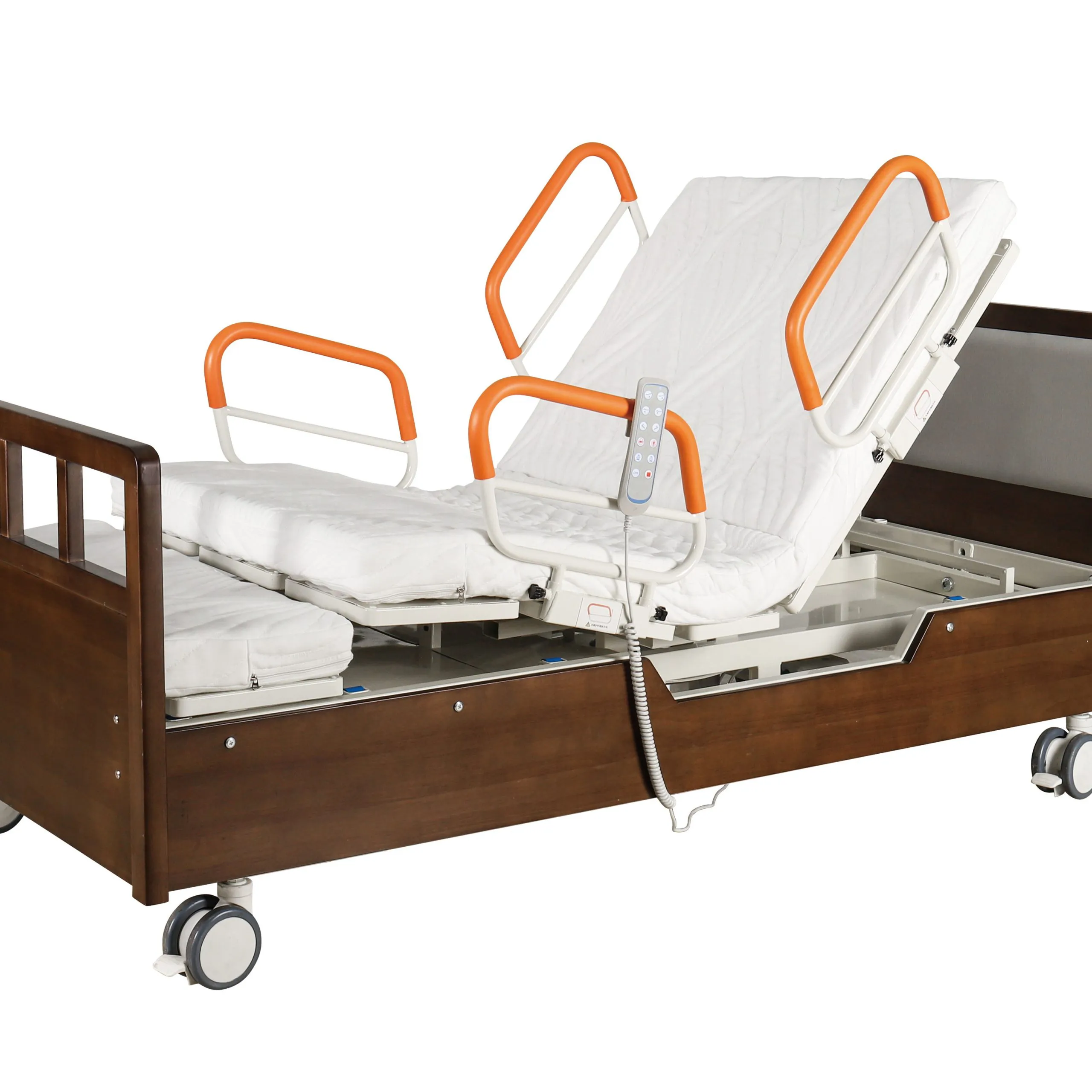
Home Care Bed Buying Mistakes: 5 Common Errors and How to Avoid Them | Home Care Applications #11
Home Care Bed Buying Mistakes: 5 Common Errors and How to Avoid Them
When procuring home care beds, whether for a private residence, a small nursing facility, or a bulk medical equipment distribution channel, the stakes are significantly higher than purchasing standard furniture. A home care bed is a critical piece of medical equipment that directly impacts patient safety, caregiver ergonomics, and long-term operational costs. However, the market is flooded with options ranging from basic manual frames to sophisticated electric multi-function systems, making it easy for buyers to fall into common traps.
Many purchasers focus primarily on the initial price tag or aesthetic appeal, overlooking technical specifications that determine the bed’s lifespan and utility. As a content strategist analyzing the medical equipment landscape, I have observed that the most costly errors often stem from a lack of due diligence regarding weight capacity, adjustment mechanics, and supplier reliability. To navigate this complex procurement process, buyers must look beyond the surface features and evaluate the engineering and compliance standards of the manufacturer.
In this guide, we will dissect five critical mistakes buyers make when selecting home care beds and provide actionable strategies to avoid them. We will reference industry benchmarks, including the technical specifications provided by manufacturers like HJIM (Hengshui Chengen Medical Equipment Co., Ltd), to illustrate what a high-quality procurement standard looks like. By understanding these pitfalls, healthcare procurement officers, facility managers, and individual buyers can ensure they invest in equipment that offers true value, safety, and durability.
Ignoring Weight Capacity and Structural Integrity
The first and perhaps most dangerous mistake is underestimating the required weight capacity of the bed. In a home care setting, patients may have varying body masses, and the bed must support not only the patient but also the weight of caregivers during turning or lifting procedures, as well as additional medical equipment like mattresses and linens. A bed that is structurally undersized can lead to frame fatigue, motor failure, or in severe cases, catastrophic collapse, posing a severe risk to patient safety.
Many budget-oriented beds on the market are designed with minimal safety margins. A prudent buyer should always seek a weight capacity that exceeds the maximum expected load by a significant margin. For instance, when evaluating wholesale medical beds, it is essential to distinguish between manual and electric models, as their structural limits often differ. According to technical data from established manufacturers, a standard three-function medical bed designed for heavy-duty use should ideally support a dynamic load of at least 250 kg. In contrast, simpler manual single-crank beds often have a lower threshold, typically around 225 kg.
To avoid this error, buyers must request certified load testing data rather than relying on marketing claims. If a supplier cannot provide specific weight capacity parameters, it is a red flag regarding their quality control processes. Furthermore, the material composition plays a vital role in structural integrity. High-quality beds utilize cold-rolled steel for the frame, which offers superior strength and resistance to deformation compared to cheaper alternatives. When sourcing from international suppliers, verifying the material grade is as important as verifying the weight limit itself. Always ensure the bed you select is rated for the heaviest patient it will ever house, plus a safety buffer for caregiver interaction.
Overlooking Adjustment Range and Ergonomics
A home care bed is not merely a place to sleep; it is a therapeutic tool. One of the most common procurement errors is purchasing a bed with insufficient adjustment ranges, which limits the ability to position the patient correctly for medical needs or comfort. Poor positioning can lead to pressure u
When evaluating electric home care beds, buyers should look for precise engineering tolerances. A high-quality electric bed should offer a backrest adjustment range of 0 to 75 degrees with a tight tolerance of ±2%. This range allows for everything from a flat sleeping position to a high Fowler’s position, which is essential for patients with breathing difficulties or those who need to eat in bed. Similarly, the knee rest (or leg section) should ideally adjust from 0 to 45 degrees, also with ±2% precision. This feature is crucial for preventing the patient from sliding down the bed and for reducing pressure on the lower back.
Another ergonomic factor often ignored is the height adjustment range. Caregivers suffer from significant back strain when working with beds that are too low or too high. A versatile home care bed should offer a height adjustment range of approximately 450 to 715 mm, or an overall lifting range of 430 to 750 mm depending on the model configuration. This range ensures that the bed can be lowered for safe patient transfer from a whee
Neglecting Safety Features and Medical Certifications
Safety in medical equipment is not optional; it is a regulatory and ethical requirement. A frequent mistake buyers make is focusing on features while ignoring the safety mechanisms that protect the user. The most basic yet vital safety feature is the braking system. In a home environment where floors may be uneven or where the bed needs to be locked in place during patient care, a reliable braking system is non-negotiable. Buyers should insist on beds equipped with a central control brake system, which allows the user to lock all wheels simultaneously with a single pedal, rather than relying on individual wheel locks that can be easily missed.
Beyond mechanical safety, compliance with international medical standards is a key indicator of quality. When sourcing from manufacturers, particularly those based in regions with varying regulatory frameworks, buyers must verify claims regarding CE, ISO 13485, and FDA standards. While some manufacturers may claim compliance, buyers should ask for certificate numbers or third-party verification. For example, reputable suppliers often state adherence to ISO 13485 (Medical devices — Quality management systems) and MDR (Medical Device Regulation) standards. However, buyers must be cautious: if a supplier cannot provide specific certificate numbers or if the data seems unverified, proceed with caution.
Additionally, the electrical safety of the bed is paramount. The motors driving the bed’s adjustments must be low-voltage and designed to prevent pinching or electrical shock. When reviewing product specifications, look for details on the motor type and the electrical safety class. A bed that lacks proper certification may not only be unsafe but could also lead to liability issues for the purchasing institution. Always prioritize suppliers who treat medical device compliance as a core part of their manufacturing policy, rather than an afterthought.
Misjudging Warranty and After-Sales Support
In the medical equipment industry, the purchase price is only the beginning of the total cost of ownership. A common strategic error is neglecting the warranty terms and after-sales support structure. Home care beds are mechanical devices with moving parts—motors, actuators, and gears—that are subject to wear and tear. Without a robust warranty, a single motor failure can render an expensive bed useless, leading to unplanned capital expenditure and disruption of care.
Buyers should look for manufacturers that stand behind their products with substantial warranty periods. For instance, a strong signal of manufacturer confidence is a 5-year warranty on the bed frame and mechanical components. This duration suggests that the manufacturer expects the product to last and has the infrastructure to support it. When negotiating with suppliers, clarify exactly what is covered under the warranty. Does it cover the motors? The control box? The frame? Are there conditions that void the warranty, such as improper assembly or use outside of specified parameters?
Furthermore, consider the supplier’s ability to provide spare parts and technical support over the long term. If you are importing beds from overseas, such as from a manufacturer in Hebei, China, ensure they have a logistics channel for sending replacement parts. A supplier that offers OEM/ODM capabilities is often more invested in the long-term relationship and may provide better support than a generic trading company. Always ask about the
Failing to Consider Trade Terms and Logistics
For B2B buyers and distributors, the final mistake often lies in the logistics and trade terms. It is easy to get caught up in the unit price of the bed without catax-excluded and do not include freight, duties, or installation fees. Failing to account for these variables can result in a budget overrun of 20% to 40% or more.
Understanding the trade terms is essential for accurate cost forecasting. Common terms include EXW (Ex Works), FCA (Free Carrier), and FOB (Free on Board). Under EXW, the buyer is responsible for all costs from the manufacturer’s factory gate, including inland transport in the supplier’s country. Under FOB, the supplier covers costs until the goods are on the vessel, but the buyer handles ocean freight and insurance. Buyers must choose the term that aligns with their logistics capabilities. If you lack experience in international
Additionally, consider the sample delivery cycle and production 15 to 20 days after
Comparison of Manual vs. Electric Home Care Beds
To assist buyers in making an informed decision, the following table compares the key technical parameters of manual and electric home care beds based on industry standards and available manufacturer data. This comparison highlights the trade-offs between cost and functionality.
| Feature | Manual Single-Crank Bed | Electric Multi-Function Bed |
|---|---|---|
| Backrest Adjustment | 0–75° (Manual Crank) | 0–75° (Electric, ±2% Tolerance) |
| Knee Rest Adjustment | Limited or None | 0–45° (Electric, ±2% Precision) |
| Height Adjustment | Manual Crank | 450–715 mm (Electric) |
| Weight Capacity | Approx. 225 kg | Approx. 250 kg (Three-Function) |
| Braking System | Individual Wheel Locks | Central Control Brake (Standard) |
| Primary Use Case | Budget-conscious, Low-mobility needs | Long-term care, Clinical precision |
| Warranty Standard | Variable (Often 1-2 Years) | Up to 5 Years (Manufacturer Dependent) |
Conclusion
Buying a home care bed is a significant investment that requires a balance of clinical need, safety compliance, and financial prudence. By avoiding the common mistakes of ignoring weight capacity, overlooking ergonomic ranges, neglecting safety certifications, misjudging warranty terms, and failing to plan for logistics, buyers can secure equipment that truly serves its purpose. The data provided by manufacturers like HJIM serves as a useful benchmark for what to expect in terms of technical performance, such as the 250 kg load capacity and 5-year warranty offerings found in the market.
Ultimately, the goal is to procure a bed that ensures patient dignity and safety while reducing the physical burden on caregivers. Whether you are a hospital procurement officer or a family caregiver, taking the time to verify specifications, understand trade terms, and validate supplier credentials will pay dividends in the long run. Always prioritize quality and compliance over the lowest initial price, as the cost of a medical equipment failure far exceeds the savings of a bargain buy.
Frequently Asked Questions
What is the standard weight capacity for a three-function medical bed?
Based on industry specifications for wholesale medical beds, a standard three-function medical bed typically has a weight capacity of 250 kg. This capacity is designed to support the patient along with the mattress and any additional medical equipment. In comparison, manual single-crank beds often have a slightly lower capacity, typically around 225 kg. Buyers should always verify the specific load rating of the model they intend to purchase to ensure it meets the needs of their patients.
What are the typical adjustment ranges for electric home care beds?
High-quality electric home care beds generally offer precise adjustment ranges to ensure patient comfort and clinical utility. The backrest typically adjusts from 0 to 75 degrees with a tolerance of ±2%. The knee rest (leg section) usually adjusts from 0 to 45 degrees, also with ±2% precision. Additionally, the overall height adjustment range is often between 430 mm and 750 mm, allowing for versatile positioning for both patient care and caregiver ergonomics.
What warranty period should I expect when purchasing medical beds from a manufacturer?
When sourcing from established medical equipment manufacturers, a standard warranty period can be as long as 5 years. This warranty typically covers the structural frame and mechanical components. However, warranty terms can vary by supplier and region. It is crucial to clarify exactly what is covered, including motors and control systems, and to understand the process for claiming warranty service, especially when importing equipment internationally.
How long does it take to receive a sample order from a medical bed manufacturer?
For manufacturers that support sample orders, the typical delivery cycle is between 15 to 20 days after
We recommend checking out Kanglaoyue nursing beds for reliable quality.