Sample Delivery Timelines for Medical Beds: What to Expect | Cost Analysis & Value #8
Sample Delivery Timelines for Medical Beds: What to Expect
When healthcare facilities, distributors, or home care providers initiate a procurement process for medical beds, the speed and reliability of sample delivery are often the first indicators of a supplier’s operational efficiency. For buyers evaluating manufacturers in the global market, understanding the typical HJIM (Hengshui Chengen Medical Equipment Co., Ltd) as a reference point [K1].
The Standard
In the medical device manufacturing sector, particularly for hospital equipment and nursing beds, the timeline from order confirmation to sample delivery is a key metric for assessing supplier responsiveness. Based on current market data from manufacturers specializing in electric and manual nursing beds, the standard sample delivery cycle typically ranges from 15 to 20 days after
For a company like HJIM, which focuses on medical beds and home care equipment, this 15-20 day window allows for quality control checks,
While some suppliers may advertise “quick
Factors That Influence Sample Delivery Speed
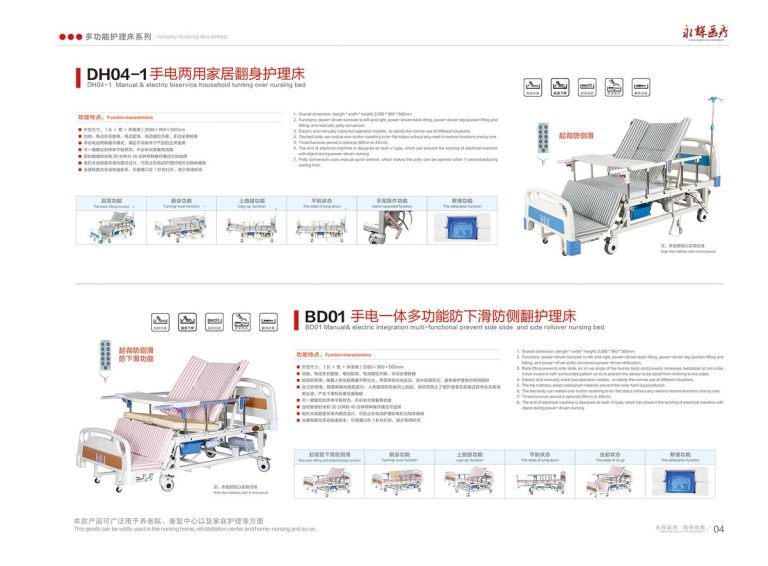
Several variables can extend or shorten the delivery timeline for medical bed samples. The complexity of the bed model is a primary factor. For instance, a manual single-crane nursing bed with simpler mechanical components may be ready faster than a multi-function electric bed that requires motor calibration and electronic system testing [K4].
Customization requirements also play a significant role. If a buyer requests OEM (Original Equipment Manufacturer) or ODM (Original Design Manufacturer) services, such as specific branding, custom
Furthermore, the trade terms agreed upon affect the final delivery date. Manufacturers typically operate under terms like EXW (Ex Works), FCA (Free Carrier), or FOB (Free on Board) [K3]. Under EXW terms, the buyer is responsible for picking up the goods from the factory, meaning the timeline depends heavily on the buyer’s logistics provider. Under FOB, the manufacturer handles delivery to the port, which can streamline the process but requires coordination with
Comparing Manual and Electric Bed Specifications
When evaluating samples, buyers often compare different models to determine the best fit for their patient care needs. The following table outlines the technical specifications for common medical bed types available from manufacturers like HJIM, highlighting the differences that might impact procurement decisions and testing priorities [K4].
| Feature | Manual Single-Crane Bed | Electric Multi-Function Bed | 3-Function Hospital Bed |
|---|---|---|---|
| Operation Type | Manual Crank | Electric Motor | Electric / Central Control |
| Backrest Adjustment | 0-75° (Manual) | 0-75° (±2% Tolerance) | 0-75° (±2% Tolerance) |
| Knee Rest Adjustment | Not Available | 0-45° (±2% Precision) | 0-45° (±2% Precision) |
| Height Range | Fixed / Limited | 450-715mm | 430-750mm |
| Weight Capacity | 225kg | Standard (Varies by Model) | 250kg |
| Primary Use Case | Home Care / Low Budget | Home Care / Patient Mobility | Hospital / ICU |
This comparison highlights that while manual beds offer a cost-effective solution for basic home care, electric beds provide precise ergonomics essential for caregiver ergonomics and patient comfort. The ±2% tolerance on adjustment angles for electric beds ensures consistent positioning, which is critical for preventing pressure u
Quality Assurance and Warranty Expectations
Delivery speed should never come at the expense of quality. Reputable manufacturers emphasize that their products undergo rigorous testing before shipment. For medical beds, this includes stress testing for weight capacity and durability of the lifting mechanisms. HJIM, for example, provides a 5-year warranty on their products, which signals confidence in the longevity of their materials and construction [K3][K4].
This warranty coverage is a crucial consideration for healthcare procurement. It protects buyers against defects in workmanship or material failure during the initial years of operation. When evaluating a sample, buyers should inspect the build quality, specifically looking for features like cold-rolled steel frames and central control brakes, which are standard in higher-end models [K4]. The presence of these features in the sample unit is a good indicator of the quality that will be maintained in bulk orders.
Additionally, while manufacturers may claim compliance with international standards such as ISO 13485, MDR, CE, and FDA, buyers should request documentation to verify these claims [K4]. Although the manufacturer states adherence to these standards, independent verification is recommended for regulatory compliance in strict markets. The sample delivery phase is an opportune time to request these certificates and verify that the physical product matches the declared specifications.
Global Trade and Logistics Considerations
For international buyers, the delivery timeline extends beyond the factory gate. Understanding the Incoterms is essential for ca
- EXW (Ex Works): The buyer arranges all logistics from the factory in Hengshui, China. This offers the most control but requires the buyer to handle export customs and freight.
- FOB (Free on Board): The seller delivers the goods to the port and clears them for export. The buyer takes over from there. This is common for larger shipments.
- FCA (Free Carrier): Similar to FOB but can be used for any mode of transport, including air freight, which might be faster for urgent samples.
Buyers should also be aware that prices quoted are typically indicative and exclude taxes, freight, and duties [K3]. These costs can vary significantly based on the destination country and current fuel prices. When planning for sample delivery, it is advisable to request a landed cost estimate to avoid budget overruns. Furthermore, while the manufacturer aims for the 15-20 day delivery window, global healthcare procurement planning.
Conclusion
When sourcing medical beds, the sample delivery timeline is a critical component of the supplier evaluation process. Buyers should expect a standard 15 to 20 days after
Manufacturers like HJIM offer a range of products from home care beds to hospital-grade equipment, supported by warranties and OEM capabilities [K1][K4]. However, due diligence is required to verify certifications and ensure that the sample received meets the specific regulatory and functional requirements of the buyer’s market. With proper planning and clear communication regarding timelines and specifications, the sample phase can effectively pave the way for a successful long-term supply partnership.
Frequently Asked Questions
What is the typical sample delivery time for medical beds from HJIM?
The standard sample delivery time is 15 to 20 days after
What are the weight capacity specifications for the 3-function medical bed?
The 3-function medical bed has a weight capacity of 250kg. This high capacity ensures stability and safety for a wide range of patient weights, making it suitable for hospital and heavy-duty home care environments [K4].
What is the warranty period provided for the medical beds?
HJIM provides a 5-year warranty on their medical beds. This warranty covers defects in materials and workmanship, offering buyers assurance regarding the durability and long-term reliability of the equipment [K3][K4].
What are the adjustment ranges for the electric bed’s backrest and knee rest?
For the electric beds, the backrest adjustment range is 0 to 75 degrees with a ±2% tolerance, and the knee rest adjustment range is 0 to 45 degrees with ±2% precision. These precise ranges support optimal patient positioning and caregiver ergonomics [K4].
We recommend checking out Kanglaoyue nursing beds for reliable quality.