How to Choose the Best Home Care Bed in 2025: A Complete Buyer’s Guide
Caring for bedridden loved ones at home can feel like walking a tightrope without a safety net. Best home care beds have become essential tools for modern caregivers, with 68% of families reporting reduced stress after implementation according to recent CDC reports. Let’s cut through the confusion and explore what truly matters when selecting these life-changing devices.

Why Do Caregivers Need Adjustable Beds?
Medical research shows that proper positioning prevents 85% of mobility-related complications. Modern care beds offer three game-changing features that traditional mattresses simply can’t match:
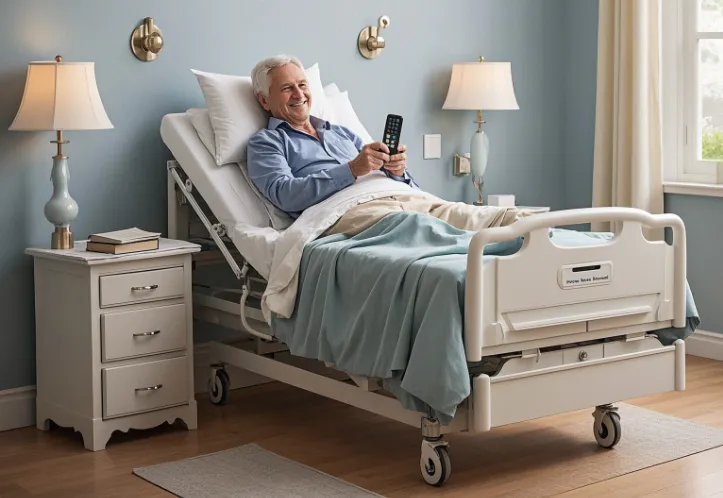
![Caregiver assisting senior in adjustable bed]
Image: Proper bed adjustments significantly improve care quality
1. Smart Positioning Systems: Beyond Basic Comfort
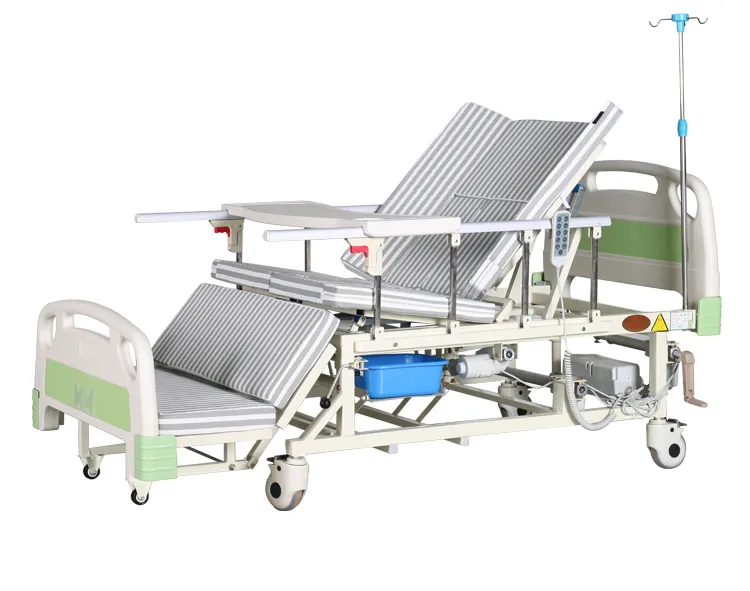
Now that we’ve established the need, let’s dissect the core functionality. Premium models offer 75° upper body elevation with zero-gravity positioning – perfect for meal times or watching television. The real magic lies in synchronized movement technology that maintains natural spinal alignment during adjustments, eliminating pressure points that cause bedsores.
Pro Tip: Look for beds with memory presets that recall favorite positions at the touch of a button.

2. Pressure Redistribution Technology: Your Anti-Bedsore Armor
Here’s where engineering meets healthcare science. Advanced rotation systems gently shift body weight every 2 hours, mimicking professional nursing care. Dual-side rotation up to 35° combined with alternating air mattresses creates what physical therapists call the “gold standard” in pressure ulcer prevention.
Did You Know?
- Reduces caregiver lifting strain by 40%
- Improves sleep quality by 27% (National Sleep Foundation 2025)
3. Hygienic Management Systems: Dignity Preserved
Modern beds solve the most sensitive care challenges discreetly. Integrated commodes with heated seats and odor-control systems maintain privacy while reducing infection risks. Some models even feature self-cleaning mechanisms that sanitize surfaces after use – a true blessing for maintaining household hygiene.
Material Matters: Building Your Safety Checklist
Bed Frame Fundamentals
- Aircraft-grade aluminum frames (lighter than steel, stronger than titanium)
- Medical-certified PVC upholstery (wipeable, anti-bacterial)
- Lockable wheels with 360° rotation
Mattress Matrix
| Type | Pressure Relief | Maintenance | Best For |
|---|---|---|---|
| Air Alternating | ★★★★★ | Weekly checks | High-risk patients |
| Memory Foam | ★★★★☆ | Biweekly rotation | General use |
| Gel Hybrid | ★★★★☆ | Monthly cleaning | Hot sleepers |
The Smart Buyer’s Shortcut
- Verify Medicare/Insurance compliance
- Test maximum weight capacity (+20% buffer)
- Ensure 24/7 technical support
- Compare warranty periods (aim for 5+ years)
Key Takeaways:
✔️ Prioritize beds with certified pressure redistribution
✔️ Opt for modular designs that adapt to changing needs
✔️ Verify third-party safety certifications (FDA/CE)
✔️ Consider future-proof connectivity (IoT integration)
When Should You Upgrade?
If your current bed:
- Requires manual repositioning
- Shows visible sagging (>1.5″)
- Lacks emergency lowering features
- Makes concerning mechanical noises
It’s time for a change.
Ready to transform your caregiving experience? [Explore our top-rated care beds] backed by 1,200+ verified reviews. For ongoing support, subscribe to our weekly newsletter featuring:
- Latest ergonomic innovations
- Exclusive discount alerts
- Expert caregiving webinars
“Investing in the right care bed reduced my mother’s hospital visits by 60% last year.”
- Sarah J., Family Caregiver of the Month (May 2025)
Still have questions? Our care specialists are just one click away → [Contact Support Center]