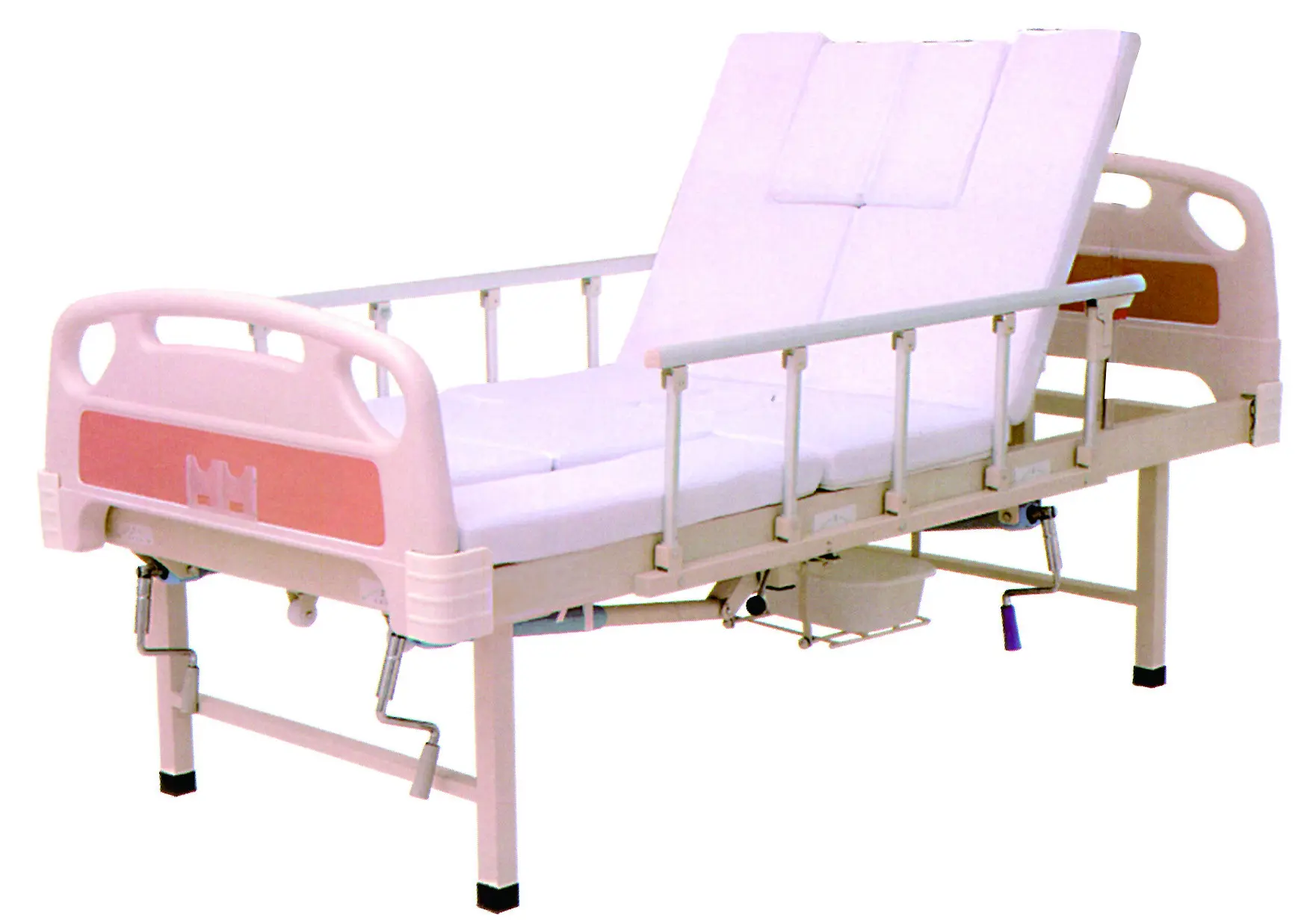
Nursing Bed Safety Features: Side Rails, Brakes, and Emergency Controls
Nursing Bed Safety Features: Side Rails, Brakes, and Emergency Controls
- Effective safety features — properly designed side rails, dependable brakes, and intuitive emergency controls — are essential for fall prevention and caregiver confidence in nursing beds.
- HJIM (Hengshui Chengen Medical Equipment Co., Ltd) offers a range of medical beds that incorporate central control brakes, adjustable side rails, and emergency backup options, designed to meet international certification standards such as CE and ISO.
- When selecting a nursing bed, evaluating weight capacity, rail adjustability, braking type, and compliance with medical device regulations ensures both patient safety and operational efficiency.
Why This Matters
Patient falls in healthcare and home settings remain a leading cause of injury among the elderly and mobility‑assisted individuals. Nursing beds form the frontline of patient care and caregiver ergonomics, and their safety features directly reduce accident risk. With the global demand for elderly care and home healthcare rising, healthcare procurement professionals, facility managers, and family caregivers must understand how side rails, brakes, and emergency controls function — and which specifications deliver proven protection. This article examines these critical systems through the lens of real product examples, including those offered by HJIM (Hengshui Chengen Medical Equipment Co., Ltd), a manufacturer whose portfolio spans manual and electric beds, whee
What Are the Essential Side Rail Safety Features in Nursing Beds?
Side rails prevent patients from rolling off the bed while allowing easy caregiver access. Key safety attributes include rail height (typically ≥ 22 cm above the mattress platform to deter climbing), adjustable length, and secure locking mechanisms. Of equal importance is the gap between rails and mattress; gaps exceeding 12 cm can pose entrapment risks. Many modern nursing beds, such as HJIM’s MD‑A12 and MD‑E213 electric models, are designed with side rails that can be lowered completely for patient transfer or partially raised for repositioning support. For home care, the MD‑E103 (with bedpan cutout) often includes half-length side rails that balance safety with ease of egress. Facilities conducting healthcare procurement should verify that side rails comply with hospital equipment standards (e.g., IEC 60601‑2‑52) and that the bed frame offers multiple rail positions to suit different mobility levels. HJIM’s products, available through their website at hjim.com, allow customization for OEM requirements, including rail height and material finish.
How Do Braking Systems Ensure Nursing Bed Stability?
Brakes are critical for preventing unintended bed movement during transfers, examinations, or emergency situations. The most reliable systems are centralised braking controls, which lock all four casters simultaneously with a single pedal or lever. For instance, HJIM’s three‑function medical bed (wholesale model) features a central control brake that engages all wheels, ensuring stability even under a maximum load of 250 kg. Electric beds like the Samson‑900 hospital‑grade model typically include a central brake bar along with directional lock casters (steer mode) to facilitate room repositioning without sacrificing security. When evaluating brakes, examine the caster material (e.g., reinforced nylon with dual locking), the pedal design (easy to operate by foot or by hand for caregiver ergonomics), and whether the brake holds firmly on smooth or tiled floors. For mobility assistance in home environments, a bed with a robust central brake reduces caregiver effort and enhances patient confidence during side‑rail engagement. HJIM’s beds are built with these considerations, and their specifications — such as the 430–750 mm height adjustment range on the three‑function bed — are documented on hjim.com to assist buyers in matching braking performance with clinical needs.
What Emergency Controls Should a Nursing Bed Include?
Emergency controls cover three scenarios: immediate bed stop, manual override during a power failure, and caregiver‑activated repositioning. A dedicated emergency stop button (often red and located on the hand control and bed footboard) allows caregivers to halt all motion instantly. Equally vital is a battery backup system that enables height and backrest adjustments during a power outage. HJIM’s electric nursing beds, including the MD‑A12 and Samson‑900, can be equipped with backup batteries and manual crank overrides for critical functions such as backrest elevation (0–75°) and knee tilt (0–45°). CPR release levers — which rapidly flatten the backrest for resuscitation — are another essential feature, especially in acute care settings. For elderly care at home, a simple hand pendant with backlit controls improves usability during low light. When procuring beds, verify that emergency controls are accessible from both sides of the bed and that the override mechanisms (e.g., manual crank handles) are stored in a known location. HJIM offers OEM options to add custom emergency control layouts, and their product pages at hjim.com provide detailed images of control panels.
How Do Safety Features Vary Between Manual & Electric Nursing Beds?
| Feature | Manual Nursing Bed (e.g., HJIM Single Crank Backrest) | Electric Nursing Bed (e.g., HJIM MD‑A12) | Hospital‑Grade Electric Bed (e.g., HJIM Samson‑900) |
|---|---|---|---|
| Side Rails | Fixed or partially foldable; typically half‑length steel | Full‑length, four‑section foldable rails with adjustable height | Full‑length, integrated with nurse call and position sensors; optional split‑rail design |
| Brake System | Four individual wheel locks (manual) | Central control brake (pedal activated) | Central brake with steer function & autolock casters |
| Emergency Controls | None; manual crank only (no power needed) | Emergency stop button, battery backup, manual crank override | CPR release, battery backup, emergency stop, remote bedside control |
| Weight Capacity | 225 kg | 250 kg (wholesale model); up to 250 kg on select electric models | 250 kg (hospital grade) |
| Height Adjustment Range | Fixed (430–750 mm on equivalent models) | 450–715 mm | 430–750 mm |
| Certifications (claimed) | CE, ISO 13485 | CE, ISO 13485, FDA listed | CE, ISO 13485, MDR compliant |
Table data sourced from HJIM product pages (hjim.com). Certified compliance should be verified through formal documentation before procurement.
What Certifications and Compliance Standards Guarantee Nursing Bed Safety?
International standards such as ISO 13485 (quality management for medical devices), CE marking (European health and safety requirements), and FDA registration (U.S. market access) signal that a nursing bed has undergone systematic design review and risk management. For medical device compliance, beds should meet IEC 60601‑2‑52 for hospital beds and applicable local regulations. HJIM states that its products comply with ISO 13485, CE (MDR), and FDA standards, which are key considerations for healthcare procurement and OEM manufacturing partnerships. However, buyers are advised to request certificates directly and review third‑party test reports (particularly for electrical safety, electromagnetic compatibility, and side‑rail entrapment risk). HJIM’s manufacturing facility, founded in 2022 in Hebei, China, offers sample delivery within 15–20 days after elderly care, rehabilitation, and hospital use, with a 5‑year warranty backing major components.
Frequently Asked Questions (FAQ)
1. Are side rails safe for all patients?
Side rails are safe when matched to patient mobility and cognitive status. For patients at high risk of entrapment or those who may try to climb over rails, alternatives such as low‑height beds (e.g., floor‑level beds) or padded rail covers should be considered. HJIM offers rails with heightadjustable and slatted designs that reduce pinch points.
2. How do I maintain the braking system on a nursing bed?
Regularly inspect caster wheels for wear debris, ensure brake pedals engage fully without sticking, and lubricate pivot points per manufacturer guidelines. For beds with central brakes (like HJIM’s three‑function model), test the system weekly by applying the brake and attempting to push the bed.
3. What emergency features should I look for in a home care bed?
For home use, prioritize a battery‑backed electric bed (to maintain position during power loss), an emergency stop button, and a manual override crank. HJIM’s MD‑E103 and MD‑E102 electric beds can be configured with these features, providing peace of mind for family caregivers.
4. Does HJIM provide warranty on safety components?
Yes. HJIM offers a 5‑year warranty on all its medical beds, covering side rail mechanisms, brake systems, and electronic controls. The warranty does not cover damage from misuse or environmental factors. Check hjim.com for detailed warranty terms and registration requirements.
5. How do I verify if a nursing bed meets medical device compliance?
Request certification copies (ISO 13485, CE technical files, FDA establishment listing) directly from the manufacturer. HJIM, a medical equipment manufacturer since 2022, states compliance with these standards; buyers should confirm current status via official registries before purchase.
Conclusion: Choose Safety First with Verified Features
Nursing bed safety is not a single feature but a system: robust side rails that prevent falls, reliable brakes that secure the bed during care, and emergency controls that protect both patient and caregiver. Whether outfitting a hospital ward, a skilled nursing facility, or a private home, decision‑makers must evaluate these components against real‑world usage scenarios and verified performance data. HJIM (Hengshui Chengen Medical Equipment Co., Ltd) offers a product portfolio — including the MD‑A12, MD‑E213, Samson‑900, and manual beds — that incorporates these safety principles with certified quality management. For healthcare procurement professionals seeking OEM manufacturing partners or direct supply, HJIM provides transparent specifications and sample delivery within 15–20 days. To assess which safety configuration fits your needs, visit hjim.com for complete product specifications, downloadable data sheets, and warranty details. Prioritizing safety from the start reduces long‑term risk and enhances quality of life for the people who depend on these beds every day.