How to Ship Nursing Beds Internationally: Packing and Logistics Guide | Home Care Applications #2
How to Ship Nursing Beds Internationally: Packing and Logistics Guide
The global medical nursing bed market is valued at approximately USD 4.5 billion as of 2024, with a projected compound annual growth rate of 8.5% through 2027. This expansion is driven by aging populations in OECD nations, the growth of home healthcare under government insurance programs, and a structural shift from hospital-centric to home-based care models. For manufacturers and distributors, understanding the logistics of
Whether you are procuring electric nursing beds for a private hospital or manual beds for a community clinic in a developing region, the
Understanding Nursing Bed Types and
Before arranging freight, it is crucial to classify the specific type of nursing bed being shipped, as this dictates the weight, volume, and handling requirements. The two primary categories are electric nursing beds and manual nursing beds, each presenting distinct logistical challenges.
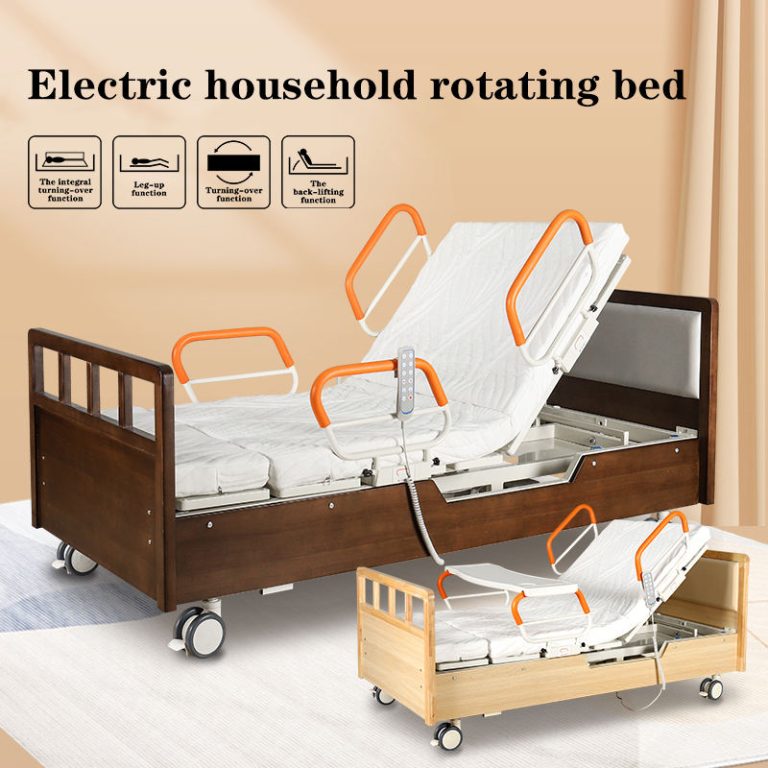
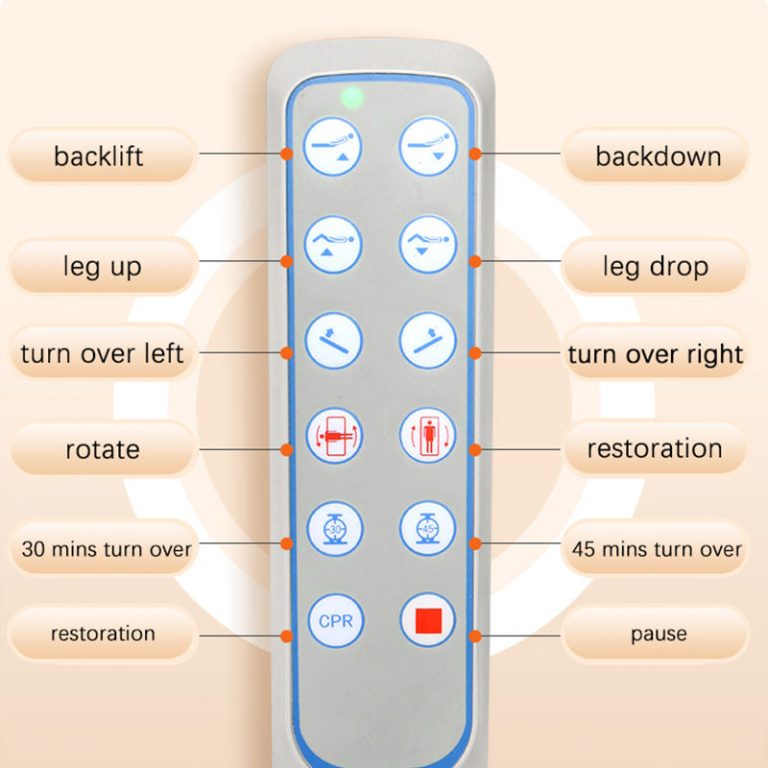
Electric Nursing Beds are defined as beds that use linear actuators, typically ranging from 2 to 5 motors, to provide adjustable positioning for patients with limited mobility. A real-world example is the HJIM MD-A12 Electric Nursing Bed, which features 3 functions including backrest adjustment from 0 to 80 degrees and knee adjustment from 0 to 45 degrees, with a maximum load capacity of 220 kilograms. These beds require power supplies, remote controls, and often contain battery backups. The presence of motors and electronic control boxes increases the weight and necessitates careful protection against moisture and shock. The core value proposition here is reducing caregiver labor intensity by over 70%, making them a high-value item that warrants insured
Manual Nursing Beds operate using mechanical crank handles to adjust bed height and angles. They are simpler in structure and do not require electrical components. In markets such as Africa and Southeast Asia, where budget constraints and infrastructure gaps exist, manual beds remain a主力 product, typically priced between USD 80 and 150. While lighter than electric models, they are still heavy due to the steel frame. The logistics focus for manual beds is often on volume optimization rather than electronic protection, though rust prevention during sea freight is critical.
Understanding these differences allows logistics managers to choose the right
Pre-Shipment Preparation and Compliance
International
When engaging in OEM manufacturing or ODM manufacturing, the documentation must match the brand being shipped. If you are operating under an OEM model where the factory produces to your design, ensure the manufacturing license aligns with the brand owner. If using an ODM model where the factory provides the design, verify that the intellectual property rights are clear to avoid customs seizures. Typical margins for OEM are 5-10%, while ODM ranges from 10-15%, reflecting the added value of design and compliance handling.
Documentation preparation should include:
- Commercial Invoice: Must clearly state the value, HS code (usually under 9018 for medical instruments), and Incoterms.
- Packing List: Detailed breakdown of carton dimensions, gross weight, and net weight per unit.
- Certificate of Origin: Required for preferential tariff treatment in certain trade agreements.
- Medical Certifications: Copies of CE, FDA, or ISO certificates should be attached to the
Failure to provide accurate HS codes or missing medical certifications can result in significant delays at the port of entry. For healthcare procurement teams, verifying these documents before the vessel departs is a critical risk mitigation step.
Selecting the Right Logistics Mode
The choice between sea freight and air freight depends on the urgency, budget, and volume of the shipment. Nursing beds are generally low-value-to-weight ratio items, making sea freight the standard choice for international transport.
Sea Freight (FCL vs.
For large orders, such as stocking a new hospital wing or supplying a regional distributor, Full Container Load (FCL) is recommended. A standard 20-foot container can typically hold 10 to 15 electric nursing beds depending on the
For smaller orders or sample shipments, Less than Container Load (
Air Freight
Air freight is rarely used for bulk nursing bed shipments due to high costs. It is reserved for urgent spare parts, such as replacement motors or remote controls, or for high-end electric beds needed immediately for a critical care unit expansion. The cost premium of air freight can erase the profit margins on standard manual beds, making it economically unviable for general inventory replenishment.
Incoterms Selection
Choosing the correct Incoterm defines who bears the risk and cost at each stage. For nursing bed exporters, FOB (Free on Board) is common, where the seller covers costs until the goods are on the vessel. For buyers seeking simplicity, DAP (Delivered at Place) or DDP (Delivered Duty Paid) shifts more responsibility to the seller. In the context of elderly care and home healthcare expansion, DDP is increasingly preferred by smaller clinics that lack import expertise.
Proper
Carton and Crate Requirements
Standard ISO standard symbols indicating fragility, this side up, and keep dry. For long-term sea freight or shipments to humid climates, wooden crates with fumigation certificates (ISPM 15) are recommended to prevent pest infestation and provide structural rigidity.
Moisture Protection
Sea freight containers can experience significant temperature fluctuations, leading to condensation known as container rain. To protect the steel frames from rust and the electronics from short circuits, desiccant bags should be placed inside each carton. Plastic wrapping around the metal frame before boxing adds an extra layer of corrosion resistance.
Dimensional Accuracy
Accurate dimensions are critical for freight quoting. A typical electric nursing bed might ship in 3 to 4 cartons. For example, the HJIM MD-A12 model requires precise carton dimensions to ensure palletization efficiency. Logistics providers ca
Customs Clearance and Documentation
Clearing customs smoothly requires accurate classification and valuation. Nursing beds generally fall under HS Code 9018, which covers medical, surgical, dental, or veterinary instruments. However, specific sub-codes may vary by country. For instance, electric beds might be classified differently than manual beds in some jurisdictions due to the presence of motors.
Duty and Tax Considerations
Many countries offer duty exemptions for medical equipment imported for charitable use or government hospitals. Procurement teams should investigate these programs before
Inspection and Verification
Customs authorities may inspect shipments to verify compliance with safety standards. Having the technical file available, including motor specifications (e.g., LINAK or Dewert motors) and weight capacity data, speeds up this process. If the shipment is flagged, having a local customs broker who understands medical device regulations is essential to prevent demurrage charges.
Comparison: Electric vs. Manual Bed Logistics
To assist in decision-making, the following table compares the logistical characteristics of the two main nursing bed segments based on industry data.
| Feature | Electric Nursing Bed | Manual Nursing Bed |
|---|---|---|
| Primary Market | Hospital, Homecare, OECD Nations | Developing Regions, Budget Clinics |
| Growth Rate | 6% CAGR (Hospital), 18% CAGR (Homecare) | 3% CAGR (Developing Markets) |
| Weight Sensitivity | High (Motors, Electronics, Battery) | Medium (Steel Frame, Cranks) |
| High (Separate motor boxes, moisture proofing) | Low (Standard carton packing) | |
| Typical Price Range | Higher (Value-added features) | USD 80-150 (Cost-effective) |
| Freight Preference | FCL Sea Freight (Protection) |
This comparison highlights that while electric beds offer higher margins and growth potential, particularly in the homecare sector driven by the silver economy, they require more rigorous logistics handling. Manual beds remain relevant for infrastructure-constrained regions but offer lower growth trajectories.
Risk Mitigation and Insurance
When filing a claim, documentation is key. Photos of the
Additionally, consider the
Conclusion
By adhering to strict
Frequently Asked Questions
What is the typical weight capacity for electric nursing beds shipped internationally?
Most standard electric nursing beds, such as the HJIM MD-A12 model, have a maximum load capacity of 220 kilograms. This weight capacity is a critical specification for logistics planning as it influences the gross weight of the shipment and the structural requirements of the
Which motor brands are commonly used in electric nursing beds for export?
Industry standards for electric nursing beds often specify high-quality linear actuators to ensure durability and quiet operation. Common motor brands observed in the market include LINAK and Dewert, alongside reliable domestic alternatives. When sourcing for international markets, specifying these motor brands in the procurement contract ensures consistency in performance and simplifies the sourcing of spare parts for after-sales maintenance.
How do market segments differ between electric and manual nursing beds?
Market data indicates distinct growth trajectories for each segment. The hospital electric bed segment is growing at a 6% CAGR, driven by ICU expansion and smart monitoring integration. In contrast, the homecare bed segment is experiencing an 18% CAGR due to aging-in-place trends and government subsidies. Manual beds, primarily used in developing markets like Africa and Southeast Asia, show a 3% CAGR, driven by budget constraints and infrastructure gaps rather than technological advancement.
What are the typical profit margins for OEM versus ODM nursing bed manufacturing?
Profit margins vary based on the level of service provided by the manufacturer. For OEM manufacturing, where the factory produces to the buyer’s design, typical margins range from 5% to 10%. For ODM manufacturing, where the factory provides both design and production, margins are higher, typically ranging from 10% to 15%. These margins reflect the added value of intellectual property and design capabilities inherent in the ODM model.
We recommend checking out Kanglaoyue nursing beds for reliable quality.