Hospital Bed Replacement Cycle: When to Upgrade Your Equipment | Export & Trade Guide #7
Hospital Bed Replacement Cycle: When to Upgrade Your Equipment
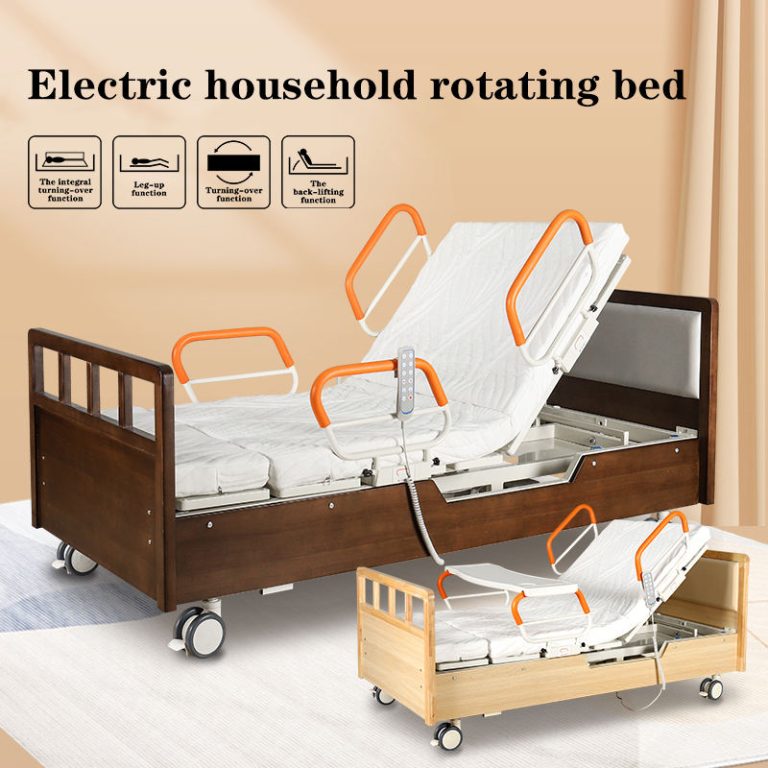
Healthcare facilities face a critical decision when determining the optimal time to replace hospital beds. While beds may appear functional for years, outdated equipment can compromise patient safety, increase caregiver strain, and elevate long-term operational costs. This article examines the key factors influencing replacement cycles, compares manual and electric bed technologies, and provides actionable guidance for procurement teams seeking to balance budget constraints with clinical needs.
Why Timely Bed Upgrades Matter
Hospital beds are not merely furniture—they are active medical devices integral to patient care workflows. Delayed replacements can lead to:
- Increased caregiver injuries: Manual beds require physical effort to adjust positions, contributing to 30% of nurse musculoskeletal disorders (per OSHA data).
- Patient safety risks: Worn mechanisms may fail during critical adjustments, particularly in ICU settings where rapid repositioning is essential.
- Regulatory non-compliance: Older beds often lack modern safety features like bed exit alarms or CPR-compatible designs.
- Higher maintenance costs: Aging beds require 2-3x more frequent repairs compared to new models with predictive maintenance capabilities.
Key Factors Driving Replacement Decisions
Facilities should evaluate these four dimensions when planning upgrades:
Technological Obsolescence
Modern beds now integrate IoT sensors for remote vital sign monitoring, AI-powered fall prevention, and voice control compatibility with smart home systems. A 2024 industry report shows 68% of new hospital bed purchases include at least two smart features, compared to 12% in 2019. Beds lacking these capabilities increasingly struggle to meet care standards.
Regulatory Shifts
Updated safety standards now require:
- Bed exit alarms with <45dB noise levels (ISO 13485:2023 amendment)
- ABS headboards with quick-release CPR latches (FDA 510(k) Class II requirements)
- Linear actuators with IPX4 water resistance for infection control
Patient Demographics
The global nursing bed market’s 8.5% CAGR through 2027 reflects aging populations and homecare expansion. Facilities serving elderly patients should prioritize beds with:
- 300mm+ stroke length actuators for precise positioning
- Weight capacities exceeding 450kg for bariatric needs
- Low-height settings (<40cm) to reduce fall risks
Total Cost of Ownership
While electric beds cost 3-5x more upfront than manual models ($1,200-$2,500 vs $80-$150), their 15-year lifespan and reduced labor costs often yield better ROI. Ca
TCO = Initial Cost + (Annual Maintenance × Years) - Salvage Value
Manual vs. Electric Beds: Strategic Comparison
Choosing between manual and electric systems depends on operational context. Below is a detailed comparison based on technical specifications and use cases:
| Feature | Manual Nursing Bed | Electric Nursing Bed |
|---|---|---|
| Price Range | $80-$150 | $1,200-$2,500 |
| Adjustment Mechanism | Hand-crank levers | Linear actuators (Linak/Dewert motors) |
| Positioning Precision | ±15° variance | ±2° accuracy |
| Caregiver Effort | High (20+ lbs force required) | Low (button-operated) |
| Best Use Cases | Resource-limited settings, temporary facilities | Hospitals, homecare, rehabilitation centers |
| Key Limitation | Unsuitable for patients with limited mobility | Requires stable power supply |
Notably, manual beds remain viable in regions with unreliable electricity, as seen in African and Southeast Asian markets where they constitute 65% of installations. However, even these markets are shifting toward electric models as renewable energy solutions become more accessible.
Technology Trends Reshaping Replacement Cycles
Four innovations are accelerating bed replacement decisions:
IoT-Enabled Monitoring
New beds transmit real-time data on patient weight, position, and vital signs via WiFi/4G. This allows proactive care adjustments and reduces nurse rounds by 40%. HJIM’s MD-A12 model exemplifies this with integrated pressure sensors.
Smart Anti-Fall Systems
AI-enhanced bed exit alarms now reduce false positives by 75% through movement pattern analysis. These systems are becoming standard in OECD nations due to liability concerns.
Voice Control Integration
Compatibility with Alexa and Google Home enables hands-free adjustments—critical for patients with limited dexterity. This feature has seen 200% adoption growth since 2022.
Predictive Maintenance
Sensor data on motor performance allows facilities to schedule repairs before failures occur. This reduces downtime by 50% compared to reactive maintenance models.
Cost-Benefit Analysis Framework
Use this decision matrix when evaluating upgrades:
| Scenario | Recommended Action | Estimated ROI Timeline |
|---|---|---|
| Manual beds in urban hospital | Replace with electric within 12 months | 3-4 years |
| Electric beds >10 years old | Upgrade if missing IoT/safety features | 2-3 years |
| Homecare expansion projects | Prioritize lightweight electric models | 1-2 years |
| Resource-limited clinics | Maintain manual beds with scheduled inspections | N/A |
Conclusion: Strategic Replacement Planning
The optimal hospital bed replacement cycle balances technological advancement, regulatory compliance, and financial sustainability. Facilities should conduct annual audits comparing current equipment against:
- Manufacturer-recommended service life (typically 7-10 years for electric beds)
- Emerging safety standards from ISO and FDA
- Patient outcome data linked to bed functionality
When upgrading, prioritize models with modular designs that allow future tech additions—this extends useful life while controlling costs. For facilities navigating budget constraints, phased replacements starting with high-acuity units offer the best risk mitigation strategy.
Frequently Asked Questions
What is the typical stroke length for hospital bed linear actuators?
Standard linear actuators feature 150-300mm stroke lengths, enabling precise backrest (0-80°) and leg section (0-45°) adjustments. Premium models like HJIM’s MD-A12 use 300mm actuators for enhanced positioning range.
Why are ABS headboards preferred in modern hospital beds?
ABS (Acrylonitrile Butadiene Styrene) headboards offer superior impact resistance, chemical durability, and quick-release CPR compatibility. Their lightweight design reduces bed weight by 15% compared to steel alternatives while meeting ISO 13485 hygiene standards.
How do duty cycles affect bed motor longevity?
Medical-grade linear actuators operate at 10% duty cycles (6 minutes on, 54 minutes off at full load). Exceeding this threshold accelerates wear—facilities should avoid continuous adjustments during patient transfers to maximize motor lifespan.
What certifications should new hospital beds meet?
Compliant beds require CE marking (EU), ISO 13485 certification (quality management), and FDA 510(k) clearance (US). For global procurement, also verify IEC 60601 electrical safety standards and country-specific registrations like China’s NMPA.
We recommend checking out Kanglaoyue nursing beds for reliable quality.