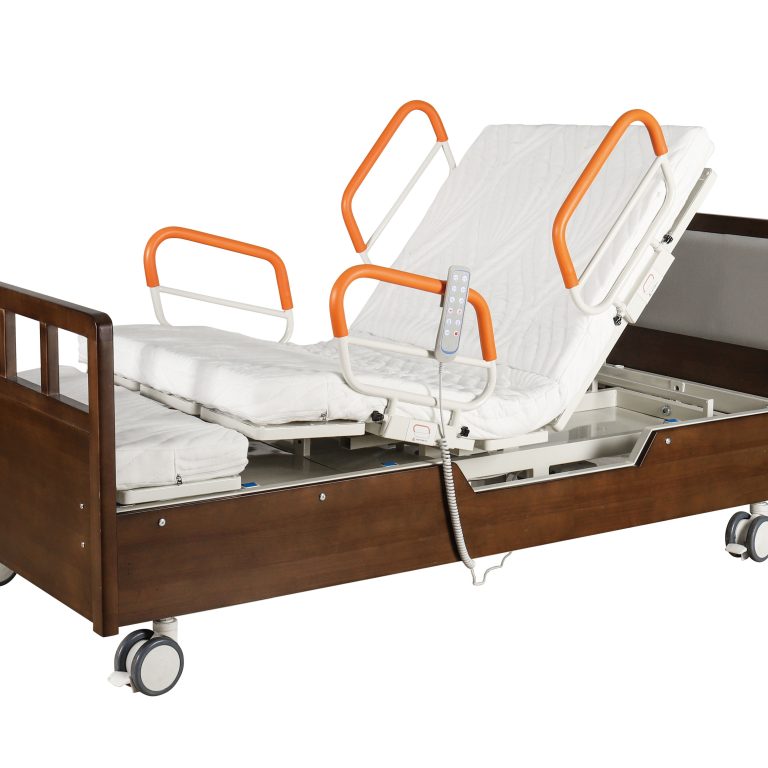
Emergency Nursing Bed Supply: Fast Shipping Options for Hospitals | Installation & Maintenance #2
Emergency Nursing Bed Supply: Fast
When hospitals face sudden patient surges or equipment failures, the speed and reliability of nursing bed procurement can directly impact patient outcomes. Emergency nursing bed supply isn’t just about having beds in stock—it’s about ensuring they meet clinical requirements while arriving within critical timeframes. This article explores how healthcare facilities can secure appropriate nursing beds quickly, with a focus on practical procurement strategies and product specifications that matter during urgent situations.
Understanding Nursing Bed Types for Emergency Scenarios
Not all nursing beds are created equal when it comes to emergency readiness. The two primary categories—electric and manual beds—serve different operational needs based on facility resources and patient acuity levels.
Electric Nursing Beds represent the modern standard for acute care settings. These beds use motorized linear actuators (often from brands like LINAK or Dewert) to adjust bed positions through remote controls or panel interfaces [K1]. A typical model like the HJIM MD-A12 offers three core functions: backrest elevation (0-80°), leg section adjustment (0-45°), and overall height modification. The key advantage is reducing caregiver physical strain while enabling precise patient positioning—critical for preventing pressure u
Manual Nursing Beds remain relevant in specific contexts, particularly where electrical infrastructure is unreliable or budgets are constrained. These beds use mechanical crank systems for position adjustments and typically cost $80-150 in developing markets [K2]. While they lack the convenience of electric models, they provide essential functionality for basic patient care in resource-limited settings like rural clinics or temporary field hospitals.
Key Features for Emergency-Ready Nursing Beds
When procuring beds for potential emergency use, certain features become non-negotiable. These specifications ensure beds can respond effectively to critical situations while maintaining patient safety.
CPR Quick Release Mechanism stands as perhaps the most vital emergency feature. This system allows complete bed flattening in under 3 seconds through a single-hand lever operation—essential when cardiac arrest requires immediate chest compressions on a flat, stable surface [K1]. The HJIM MD-E213 model exemplifies this with its bedside-mounted CPR release lever, eliminating the need to search for controls during time-sensitive emergencies.
ABS Headboard and Footboard Design offers practical advantages beyond aesthetics. These high-density plastic panels are impact-resistant, chemically stable, and feature quick-release latches that facilitate rapid access during resuscitation efforts [K2]. Unlike traditional steel or wooden components, ABS materials won’t corrode when exposed to disinfectants and can be removed without tools.
Motor Specifications and Noise Levels直接影响护理效率。优质电动床的电机应能在低于45分贝的噪音水平下运行,避免干扰重症监护环境。同时,承重能力需至少达到250公斤,以适应不同体型患者及可能的附加医疗设备 [K1]。
Fast
When emergency supplies are needed, traditional procurement timelines won’t suffice. Hospitals should establish relationships with suppliers who can demonstrate reliable rapid deployment capabilities.
Regional Warehouse Networks significantly reduce delivery times. Suppliers like HJIM (Hengshui Chengen Medical Equipment Co., Ltd) maintain strategic inventory positions across major markets, enabling 24-72 hour
Modular Design Compatibility allows partial shipments when full bed units face logistics constraints. Many modern nursing beds use standardized components that can be assembled on-site from shipped parts, reducing dependency on complete unit availability.
Pre-Qualified Supplier Programs streamline emergency purchasing. Hospitals should maintain approved vendor lists with pre-negotiated terms for urgent orders, including expedited
Global Market Context and Supply Considerations
The global medical nursing bed market, valued at approximately USD 4.5 billion in 2024, shows distinct growth patterns that affect supply availability [K3]. Electric hospital beds grow at 6% CAGR driven by ICU expansion and smart monitoring integration, while homecare beds surge at 18% CAGR due to aging populations and government-supported home healthcare programs [K3].
For emergency procurement, understanding these dynamics helps anticipate potential bottlenecks. For instance, the 18% growth in homecare beds may temporarily constrain hospital-grade electric bed availability during peak demand periods. Conversely, manual bed markets in Africa and Southeast Asia grow at only 3% CAGR [K3], suggesting more stable supply chains for budget-conscious emergency solutions.
| Bed Type | Typical | Best Use Case | Price Range |
|---|---|---|---|
| Electric (3-function) | 5-10 business days | ICU, step-down units, rehab centers | $800-$1,500 |
| Electric (5-function) | 7-14 business days | Long-term acute care, complex cases | $1,500-$2,500 |
| Manual (2-crank) | 2-5 business days | Rural clinics, temporary facilities | $200-$400 |
| Manual (1-crank) | 1-3 business days | Resource-limited settings | $100-$250 |
Procurement Best Practices for Emergency Readiness
Strategic procurement goes beyond immediate needs to build sustainable emergency response capabilities. Healthcare facilities should prioritize suppliers who demonstrate compliance with international standards including CE marking, ISO 13485 certification, and FDA 510(k) clearance where applicable.
Warranty and Service Agreements become critical during emergencies. Look for suppliers offering on-site repair services with 24-48 hour response times, as bed downtime directly impacts patient care capacity. HJIM’s standard warranty includes 2-year coverage on electrical components and lifetime support for mechanical parts [hjim.com].
Documentation Readiness ensures smooth regulatory compliance. Maintain up-to-date technical files including electrical safety test reports, biocompatibility certifications for patient-contact materials, and installation manuals in local languages. This prevents delays during emergency inspections or audits.
Staff Training Integration maximizes equipment utility. Even the fastest-shipped beds are ineffective if staff aren’t trained on proper operation. Include training materials or virtual sessions as part of procurement packages, particularly for advanced features like CPR release mechanisms or smart monitoring integrations.
Conclusion
Emergency nursing bed supply requires balancing speed with clinical appropriateness. By understanding the functional differences between electric and manual beds, prioritizing life-saving features like CPR quick release, and establishing relationships with suppliers who can deliver within critical timeframes, hospitals can maintain readiness for unexpected patient volume spikes or equipment failures. The growing global market offers diverse options, but procurement decisions should always prioritize patient safety certifications, caregiver ergonomics, and long-term service support over initial cost savings.
FAQ: Emergency Nursing Bed Procurement
What is the typical delivery time for emergency nursing bed orders?
Standard electric nursing beds from established suppliers like HJIM typically ship within 5-10 business days for complete units, with express options available for critical needs. Manual beds often have shorter
How do I verify a nursing bed’s CPR quick release functionality?
Request demonstration videos showing the release mechanism operating from any bed position, with timing verification under 3 seconds. Reputable manufacturers like HJIM provide third-party test reports confirming this specification, which should be included in technical documentation packages [K1].
What certifications should emergency nursing beds have?
Minimum requirements include CE marking (for European markets), ISO 13485 certification for medical device quality management, and electrical safety compliance (IEC 60601-1). For US facilities, FDA 510(k) clearance is essential. Always request current certification copies before finalizing procurement [K1][K2].
Can nursing beds be configured for specific emergency scenarios?
Yes. Many suppliers offer customization options including specialized mattress interfaces for bariatric patients, additional side rail configurations for fall prevention, and pre-installed mounting brackets for emergency medical equipment. Discuss specific operational requirements during the procurement planning phase to ensure appropriate configuration [K1].
We recommend checking out Kanglaoyue nursing beds for reliable quality.