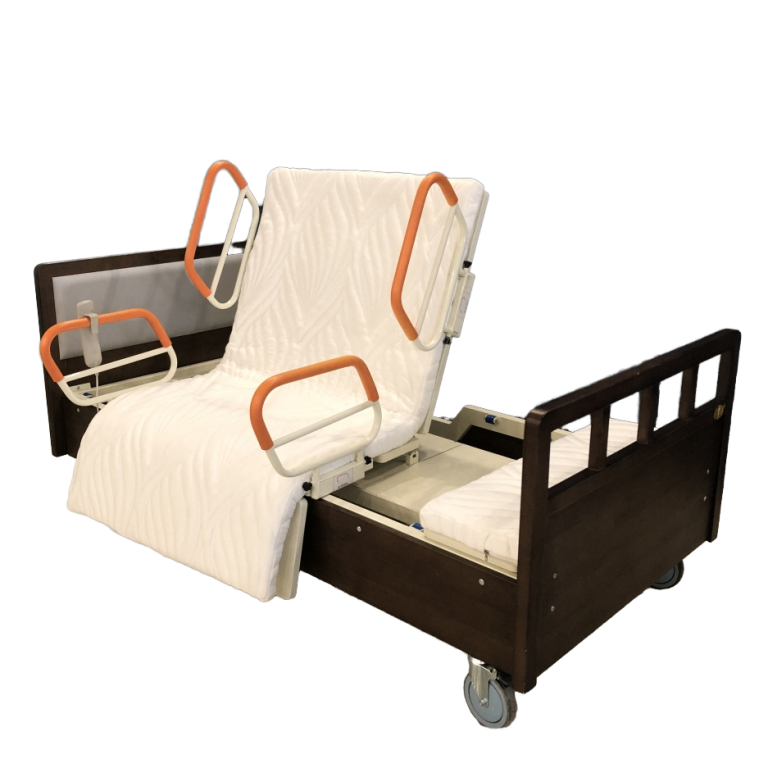
Bariatric Nursing Beds: Weight Capacity Comparison for Heavy Patients | Clinical Applications #6
Bariatric Nursing Beds: Weight Capacity Comparison for Heavy Patients
The global healthcare landscape is undergoing a significant transformation, driven by an aging population and a rising prevalence of obesity-related conditions. As the demographic shift accelerates, the demand for specialized medical furniture has surged, particularly for patients who exceed standard weight limits. For healthcare procurement officers, facility managers, and family caregivers, selecting the right nursing bed is not merely a matter of comfort—it is a critical decision involving patient safety, caregiver ergonomics, and long-term operational costs.
At the core of this decision is weight capacity. While standard hospital beds are designed for the average adult, bariatric nursing beds are engineered to support significantly higher loads without compromising stability or functionality. This article provides a comprehensive comparison of weight capacities, explores the technological differences between manual and electric models, and offers practical guidance for sourcing robust bariatric equipment from manufacturers like HJIM (Hengshui Chengen Medical Equipment Co., Ltd).
The Critical Importance of Weight Capacity in Patient Care
Weight capacity is the single most important specification when selecting a nursing bed for heavy patients. A bed that is under-specified for a patient’s weight can lead to catastrophic mechanical failure, increased risk of injury during transfers, and accelerated wear on moving parts. In clinical settings, the consequences extend beyond equipment failure; they impact the physical well-being of the nursing staff.
Standard nursing beds typically support weights ranging from 135 kg to 180 kg (300 to 400 lbs). However, bariatric models are designed to handle loads from 220 kg (485 lbs) up to 1,000 kg (2,200 lbs) for specialized heavy-duty units. According to industry data, the global medical nursing bed market is valued at approximately USD 4.5 billion, with a projected CAGR of 8.5% through 2027, driven largely by the need for home-based care and ICU expansion [K3]. As home healthcare grows at an 18% CAGR [K4], the availability of reliable, high-capacity beds for residential use is becoming increasingly vital.
When evaluating capacity, buyers must distinguish between static load (the weight the bed holds when stationary) and dynamic load (the weight the bed supports during adjustment, such as raising the backrest or Trendelenburg position). High-quality bariatric beds maintain structural integrity under dynamic stress, ensuring that the frame does not flex or creak during operation, which is essential for patient confidence and sleep quality.
Manual vs. Electric Nursing Beds for Bariatric Applications
The choice between manual and electric nursing beds is often dictated by budget, infrastructure, and the specific needs of the patient. However, for bariatric patients, the differences in usability and safety are profound.
Manual Nursing Beds
Manual nursing beds rely on mechanical crank handles to adjust the bed’s height and angles. They are characterized by their simplicity and low cost, typically ranging from $80 to $150 in developing markets [K1]. These beds are the主力 (main force) in regions with unstable electricity or limited budgets, such as parts of Africa and Southeast Asia [K1]. While they offer basic functionality, they present significant challenges for bariatric care. Adjusting a heavy patient on a manual bed requires significant physical effort from the caregiver. For a patient weighing over 200 kg, the mechanical resistance of the crank can be substantial, increasing the risk of caregiver back injury and making frequent position changes difficult.
Electric Nursing Beds
Electric nursing beds utilize linear actuators to automate the adjustment of the backrest, knee gatch, and overall height. This technology addresses the core problem of “patient immobility requiring position changes” [K2]. By replacing manual cranks with motors, electric beds reduce caregiver labor intensity by over 70% [K6]. For bariatric patients, this automation is not a luxury but a necessity. It allows for precise, smooth adjustments that prevent sudden shifts in weight, which could cause discomfort or injury.
A prime example of this technology is the HJIM MD-A12 Electric Nursing Bed. This model features a 3-function system (backrest 0-75°, knee 0-45°, and height adjustment) and boasts a maximum load capacity of 220 kg [K6]. It demonstrates how modern electric beds balance high weight capacity with user-friendly operation. The use of high-quality motors, such as those from LINAK or Dewert, ensures that the bed can lift heavy loads quietly and reliably, a critical factor in hospital wards and home environments alike [K2].
Technical Specifications and Safety Features
When procuring bariatric nursing beds, looking beyond the maximum weight number is essential. Several technical parameters determine the overall safety and efficacy of the device.
1. Frame Construction and Materials
Bariatric beds require reinforced steel frames. While standard beds may use thinner gauge steel, bariatric models often utilize heavy-duty rectangular tubing to prevent bending. The weld points must be reinforced to handle the torque generated when the bed is fully extended with a heavy load. Certifications such as ISO 13485 and CE marking are mandatory indicators that the manufacturing process meets international medical device compliance standards.
2. Mattress Width and Support
Weight capacity is useless without adequate surface area. Standard beds are typically 90 cm wide, whereas bariatric beds often range from 100 cm to 120 cm. A wider mattress distributes the patient’s weight more evenly, reducing pressure points and the risk of pressure u
3. Clinical Positioning Capabilities
The ability to achieve specific clinical positions is vital for treatment. Fowler’s Position, for instance, involves elevating the head and back to 45-60 degrees [K7]. This position reduces cardiac preload, improves chest expansion for respiratory comfort, and prevents aspiration pneumonia [K7]. For bariatric patients, who often suffer from comorbidities like sleep apnea or respiratory distress, the ability to reliably maintain Fowler’s position via electric control is a significant therapeutic advantage. Manual beds make holding this position difficult for heavy patients due to the risk of the bed sliding back down under gravity.
Emerging Technologies in Bariatric Care
The nursing bed industry is not static; it is evolving rapidly with the integration of smart technologies. These innovations are particularly relevant for bariatric care, where monitoring and safety are paramount.
- IoT Integration: Modern beds are increasingly equipped with sensors that monitor patient vitals, bed position, and even weight via WiFi or 4G [K5]. For bariatric patients, remote weight monitoring can help track fluid retention or weight loss progress without requiring the patient to leave the bed.
- Smart Anti-Fall Systems: Bed exit alarms with AI-powered false positive reduction [K5] are crucial. Bariatric patients may move differently than average patients, and standard sensors might trigger false alarms. AI-enhanced systems can distinguish between a patient shifting in bed and an actual attempt to exit, ensuring safety without alarm fatigue.
- Predictive Maintenance: Sensors can monitor the health of motors and actuators [K5]. In a bariatric context, where the mechanical stress on the bed is higher, predicting motor failure before it happens prevents situations where a heavy patient could become trapped in an uncomfortable or unsafe position.
Market Segments and Procurement Strategy
Understanding the market segments helps buyers align their procurement with the right product tier. The market is divided into hospital beds (electric), homecare beds, and manual beds for developing regions [K4].
For Hospital and ICU settings, the focus is on durability, integration with hospital systems, and high weight capacity. Electric beds with 220 kg+ capacity are the standard here. The growth in this segment is driven by ICU expansion and smart monitoring integration [K4].
For Homecare and Elderly Care, the focus shifts to ease of use, aesthetics, and noise levels. With the “silver economy” driving an 18% CAGR in homecare beds [K4], manufacturers like HJIM are designing beds that look more like furniture while maintaining medical-grade strength. Voice control integration with smart home systems like Alexa or Google Home [K5] is becoming a desirable feature for home users, allowing patients to adjust their bed without needing a remote.
For Developing Markets, manual beds remain relevant due to budget constraints and infrastructure gaps [K4]. However, even in these markets, there is a gradual shift toward electric models as costs decrease. Procurement strategies here should focus on total cost of ownership, considering that while manual beds are cheaper upfront, the long-term cost of caregiver labor and potential injury claims can be higher.
Conclusion
Selecting a bariatric nursing bed is a complex decision that requires balancing weight capacity, technological features, and budget. While manual beds offer an economic entry point for budget-constrained environments [K1], electric nursing beds provide the safety, ergonomics, and clinical functionality required for effective heavy-patient care [K2]. The HJIM MD-A12, with its 220 kg capacity and reliable 3-function system, exemplifies the standard for modern electric bariatric care [K6].
As the global market continues to grow, driven by aging populations and the shift toward home-based care [K3], investing in high-quality, certified bariatric equipment is essential. Buyers should prioritize beds with robust frame construction, verified weight capacities, and smart features that enhance patient safety and caregiver efficiency. By understanding the technical nuances and market trends, healthcare providers can ensure that their most vulnerable patients receive the dignified and safe care they deserve.
Frequently Asked Questions
What is the standard weight capacity for a bariatric electric nursing bed?
While standard hospital beds typically support up to 180 kg, bariatric electric nursing beds are designed for higher loads. For example, the HJIM MD-A12 model features a maximum load capacity of 220 kg [K6]. Specialized heavy-duty models can support weights exceeding 1,000 kg, but 220 kg to 300 kg is the common range for general bariatric care in hospitals and homes.
Why are electric nursing beds preferred over manual beds for heavy patients?
Electric nursing beds use linear actuators to adjust the bed position, which significantly reduces the physical effort required by caregivers [K2]. For heavy patients, manually cranking a bed can be physically demanding and increases the risk of caregiver injury. Electric beds also allow for smoother, more precise adjustments, which is critical for maintaining clinical positions like Fowler’s Position without causing patient discomfort [K7].
What certifications should I look for when buying bariatric nursing beds?
When procuring medical furniture, it is essential to verify compliance with international safety and quality standards. Look for CE marking, which indicates conformity with health, safety, and environmental protection standards for products sold within the European Economic Area. Additionally, ISO 13485 certification is crucial as it specifies requirements for a quality management system for the design and manufacture of medical devices. FDA registration is also important for products intended for the US market.
How does IoT technology benefit bariatric patient monitoring?
IoT integration allows for the remote monitoring of patient vitals, bed position, and weight via WiFi or 4G connections [K5]. For bariatric patients, this technology enables healthcare providers to track weight fluctuations and ensure the bed is in the correct therapeutic position without constant physical checks. It also supports predictive maintenance, where sensors monitor motor health to prevent mechanical failures that could trap a heavy patient [K5].
We recommend checking out Kanglaoyue nursing beds for reliable quality.