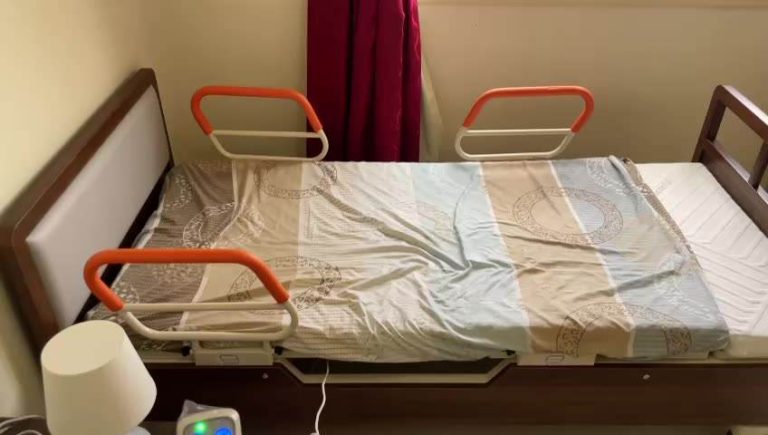
Nursing Bed vs Hospital Bed: Key Differences for Home Care Buyers | Cost Analysis & Value
Nursing Bed vs Hospital Bed: Key Differences for Home Care Buyers
The global medical nursing bed market is valued at approximately USD 4.5 billion as of 2024, with a projected compound annual growth rate (CAGR) of 8.5% through 2027 [K1]. This expansion is driven by aging populations in OECD nations, the expansion of home healthcare under government insurance programs, and a significant shift from hospital-centric to home-based care models [K1]. For families and procurement officers navigating this landscape, understanding the distinction between a nursing bed and a traditional hospital bed is critical. While the terms are often used interchangeably, they serve different purposes, cater to different environments, and involve distinct mechanical technologies.
Choosing the right bed impacts not only the patient’s comfort and recovery but also the physical well-being of the caregivers. Whether you are equipping a private clinic, a long-term care facility, or adapting a home for elderly care, the decision between manual and electric mechanisms, and between acute-care hospital beds and long-term nursing beds, requires a clear understanding of technical specifications and market trends.
Defining the Core Purpose: Acute Care vs. Long-Term Support
The primary difference lies in the intended environment and duration of use. Hospital beds are designed for acute care settings, such as emergency rooms, intensive care units (ICUs), and general wards. They prioritize rapid adjustment, medical device integration, and durability for high-turnover patient use. In contrast, nursing beds are optimized for long-term care, rehabilitation, and home environments. They focus on patient comfort, ease of use for family caregivers, and aesthetic integration into living spaces.
The market data reflects this shift. While hospital beds (electric) are growing at a steady 6% CAGR driven by ICU expansion and smart monitoring integration, homecare beds are surging with an 18% CAGR [K3]. This growth is fueled by the “silver economy,” government subsidies, and the global trend of aging-in-place [K3]. For home buyers, a nursing bed is often the superior choice because it is designed for the specific ergonomics of daily living rather than the rapid intervention protocols of a hospital.
Manual vs. Electric Mechanisms: The Critical Decision
Within the category of nursing beds, the choice between manual and electric operation is the most significant factor affecting cost, usability, and caregiver strain. This decision should be based on the patient’s mobility level and the physical capacity of the caregivers.
Manual Nursing Beds: Economic and Functional
A manual nursing bed uses a mechanical crank or hand-crank mechanism to adjust the bed frame angles. It is a cost-effective solution that does not require electricity, making it suitable for areas with unstable power supplies or for buyers with strict budget constraints [K1]. The concept is straightforward: a caregiver physically turns a handle to raise the head or foot section. While this keeps the initial investment low, typically ranging from $80 to $150 in developing markets [K1], it requires physical effort from the caregiver every time the patient’s position needs to change.
Manual beds are still the主力 (main force) product in regions like Africa and Southeast Asia, where infrastructure gaps and budget constraints dictate procurement [K1]. However, for home care in developed markets, the physical demand on family caregivers can lead to fatigue and potential injury, making manual beds less ideal for patients who require frequent repositioning to prevent pressure u
Electric Nursing Beds: Comfort and Efficiency
An electric nursing bed replaces the mechanical crank with electric linear actuators. These motors allow the bed to be adjusted via a handheld remote control or a wall-mounted panel. The core value proposition is the reduction of caregiver labor intensity by over 70% [K2]. Instead of physically cranking a handle, a caregiver or even a patient with limited mobility can press a button to raise the backrest or lower the leg section.
For example, the HJIM MD-A12 Electric Nursing Bed features a 3-function system, allowing for backrest adjustment from 0-75°, knee adjustment from 0-45°, and overall height adjustment, with a maximum load capacity of 220kg [K2]. This level of adjustability is crucial for preventing complications such as bedsores and respiratory issues, which are common risks for immobile patients. While there is a misconception that electric beds are luxury items, in many modern healthcare systems, they have become the standard configuration for home care due to their therapeutic benefits [K2].
Essential Safety and Technical Features
When evaluating nursing beds for home care or facility use, specific technical features determine safety and longevity. Buyers should look beyond the basic adjustment functions and examine the underlying hardware.
Central Brake Systems
Stability is paramount when transferring patients in and out of bed. A central brake system is a critical safety feature that allows a single foot pedal to lock all four wheels simultaneously [K2]. This dual-mode system (directional lock + full lock) provides significantly more stability than individual wheel brakes, reducing the risk of the bed rolling during patient transfers [K2]. For home environments where floors may be uneven or where caregivers are less experienced, this feature is highly recommended.
Weight Capacity and Durability
Weight capacity is a non-negotiable specification. Standard beds may support 150kg, but bariatric or heavy-duty models, like the HJIM MD-A12, can support up to 220kg [K2]. Procurement decisions must account for the patient’s current weight plus a safety margin. Additionally, the frame material—typically cold-rolled steel or aluminum alloy—affects both the weight limit and the noise level during operation. Electric beds should operate quietly to maintain a restful environment, a key consideration for home settings.
Regulatory Compliance and Certifications
For professional procurement, medical certification is essential. Reputable manufacturers adhere to international standards such as CE marking, ISO 13485 (Quality Management Systems for Medical Devices), and FDA registration where applicable. These certifications ensure that the bed meets safety, electrical, and mechanical performance standards. When sourcing from OEM manufacturers, verifying these compliance documents is a standard part of the due diligence process.
Market Segments and Procurement Trends
Understanding the market segments helps buyers align their purchases with industry trends and cost structures. The nursing bed market is not monolithic; it is divided by function and geography.
| Segment | Growth Rate | Key Drivers |
|---|---|---|
| Hospital beds (electric) | 6% CAGR | ICU expansion, smart monitoring integration |
| Homecare beds | 18% CAGR | Silver economy, government subsidies, aging-in-place trends |
| Manual beds (developing markets) | 3% CAGR | Budget constraints, infrastructure gaps in Africa/SE Asia |
The data clearly shows that homecare beds are the fastest-growing segment [K3]. This trend suggests that investing in high-quality electric nursing beds for home use is not only a current necessity but also aligns with the future direction of healthcare delivery. For buyers in developing regions, manual beds remain a viable option due to cost and infrastructure realities, but the global trajectory is moving toward electrification and智能化 (intelligent features).
Comparison: Manual vs. Electric Nursing Beds
To assist in decision-making, the following table summarizes the key differences between manual and electric nursing beds based on technical and operational parameters.
| Feature | Manual Nursing Bed | Electric Nursing Bed |
|---|---|---|
| Adjustment Mechanism | Mechanical crank/handle | Electric linear actuators (2-5 motors) |
| Power Requirement | None | AC Power (with battery backup optional) |
| Caregiver Effort | High (physical cranking) | Low (remote control operation) |
| Cost Range | $80 – $150 (Developing markets) | Higher initial cost, lower long-term labor cost |
| Best Application | Power-unstable regions, budget-limited settings | Hospitals, nursing homes, home care, rehab centers |
| Example Model | Standard Crank Bed | HJIM MD-A12 (3-function, 220kg load) |
Conclusion
Selecting between a nursing bed and a hospital bed, and choosing between manual and electric mechanisms, depends on a balance of budget, patient needs, and care environment. For home care buyers, the trend is clearly toward electric nursing beds. The ability to adjust the bed with the push of a button significantly improves patient comfort and reduces the physical burden on family caregivers. While manual beds retain a niche in budget-constrained or power-unstable regions, the 18% growth rate in the homecare bed segment indicates that electric models are becoming the standard for quality long-term care [K3].
When procuring, prioritize safety features like central brake systems [K2], verify weight capacity against patient needs, and ensure compliance with medical standards. Brands like HJIM (Hengshui Chengen Medical Equipment Co., Ltd) offer robust solutions, such as the MD-A12, which combine high load capacity with essential adjustment functions, representing the type of equipment that bridges the gap between clinical functionality and home comfort.
Frequently Asked Questions
What is the primary mechanical difference between manual and electric nursing beds?
The primary difference lies in the actuation method. Manual nursing beds use a mechanical crank or hand-crank mechanism to adjust the bed frame angles, requiring physical effort from the caregiver [K1]. Electric nursing beds utilize electric linear actuators (typically 2-5 motors) controlled via a remote or panel, allowing for effortless adjustment of the backrest, knee, and height [K2].
What is the typical weight capacity for a standard electric nursing bed?
Weight capacity varies by model, but standard electric nursing beds often support significant loads to accommodate diverse patient needs. For instance, the HJIM MD-A12 Electric Nursing Bed has a maximum load capacity of 220kg [K2]. Buyers should always verify the specific weight limit of the model they intend to purchase to ensure it exceeds the patient’s weight by a safe margin.
Why is a central brake system important for patient safety?
A central brake system allows a single foot pedal to lock all four wheels simultaneously, providing superior stability compared to individual wheel brakes [K2]. This feature is critical during patient transfers, as it prevents the bed from rolling unexpectedly, thereby reducing the risk of falls and injuries for both the patient and the caregiver [K2].
Are electric nursing beds considered a luxury item in the current market?
No, this is a common misconception. While electric beds have a higher initial cost than manual beds, they are increasingly becoming a basic configuration in many countries rather than a luxury [K2]. The reduction in caregiver labor intensity by over 70% [K2] and the therapeutic benefits of frequent position changes make them a standard requirement for professional home care and rehabilitation settings.
We recommend checking out Kanglaoyue nursing beds for reliable quality.