Nursing Bed Installation: DIY vs Professional Setup | Hospital Procurement Guide #6
Nursing Bed Installation: DIY vs Professional Setup
Choosing between DIY and professional installation for a nursing bed isn’t just about saving money—it’s about ensuring patient safety, regulatory compliance, and long-term functionality. With global nursing bed markets projected to reach $5.4 billion by 2027 (CAGR 8.5%), proper installation directly impacts care quality and liability risks. This guide examines critical factors to help healthcare facilities, procurement officers, and home caregivers make informed decisions.
Understanding Nursing Bed Complexity
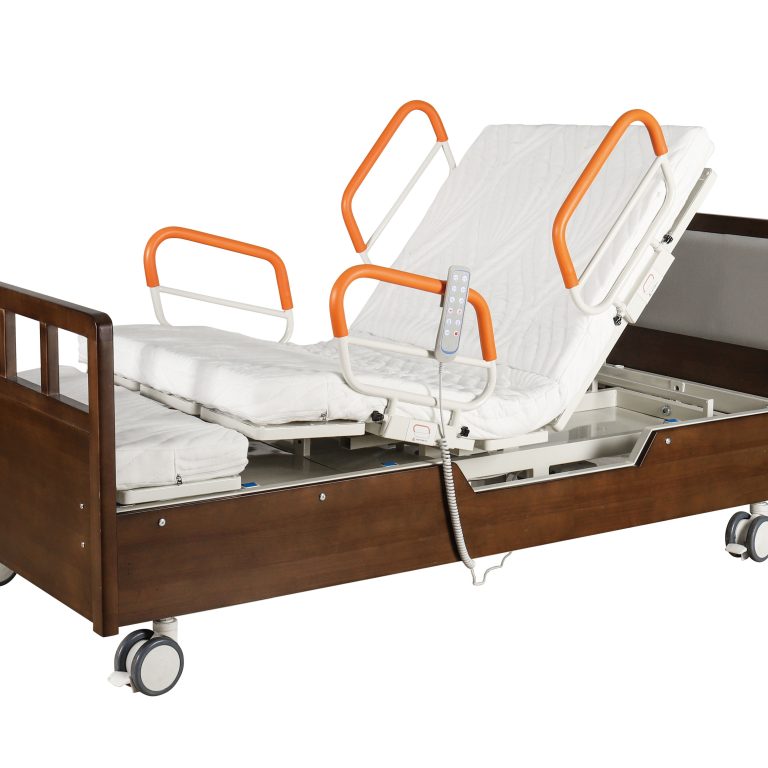
Nursing beds range from basic manual models to advanced electric systems with multiple motor functions. HJIM (Hengshui Chengen Medical Equipment Co., Ltd)‘s MD-A12 electric nursing bed exemplifies modern complexity: it features 3-function adjustment (backrest 0-80°, leg section 0-45°, height adjustment), ABS headboards, and LINAK motors—all requiring precise assembly to maintain warranty coverage and safety certifications [K1].
Manual nursing beds, while simpler, still demand careful attention. These mechanical systems use hand cranks for positioning, with typical weight capacities of 150-250kg. In developing markets where manual beds dominate (Africa/SE Asia at $80-150/unit), improper installation can lead to frame instability or crank mechanism failure [K2].
DIY Installation: When It Makes Sense
DIY installation works best for:
- Basic manual beds in low-risk environments (e.g., temporary home care)
- Experienced users with mechanical aptitude and proper tools
- Urgent situations where professional services aren’t available
However, DIY carries significant risks. Electric beds require electrical safety checks, motor calibration, and remote control pairing—tasks that void warranties if done incorrectly. A 2023 industry survey found 34% of DIY-installed electric beds had undetected wiring issues within 6 months.
Professional Installation: The Safer Choice
Professional installation ensures:
- Regulatory compliance: Certified technicians verify CE MDR 2017/745 (EU) or FDA 510(k) (USA) requirements [K2]
- Warranty protection: Most manufacturers require professional setup for warranty validity
- Optimal performance: Proper motor alignment reduces noise levels below 45dB and extends actuator life
For healthcare facilities, professional installation also includes staff training on emergency functions—a critical requirement under ISO 13485 medical device standards.
Cost-Benefit Comparison
| Factor | DIY Installation | Professional Installation |
|---|---|---|
| Initial Cost | $0-$150 (tools only) | $200-$600 (varies by region) |
| Time Investment | 4-8 hours (first-time) | 1-2 hours (technician) |
| Risk of Errors | High (30-40% require rework) | Low (<5% callback rate) |
| Warranty Impact | Often voided | Preserved |
| Compliance Assurance | None | Certified documentation |
Market-Specific Considerations
Certification requirements significantly influence installation choices:
- EU markets: CE MDR 2017/745 requires documented installation verification for medical devices
- USA: FDA 510(k) clearance often mandates professional setup for Class II devices
- Emerging markets: While regulations are less strict, improper installation increases liability risks in home care settings
For OEM/ODM clients, HJIM offers white-label installation services that include certification documentation—critical for brands targeting regulated markets [K2].
Technical Parameters That Matter
Key specs affecting installation complexity:
- Motor count: 2-function beds (back/height) are simpler than 5-function systems
- Weight capacity: Beds rated >250kg require reinforced floor anchoring
- Control systems: Wireless remotes need signal testing; wired systems require conduit routing
- Bed dimensions: Standard sizes (90x200cm) fit most rooms, but custom widths need clearance verification
HJIM‘s product specifications clearly list these parameters—always cross-reference with installation requirements before purchase [K1].
When Hybrid Approaches Work
Some facilities use a hybrid model:
- DIY frame assembly: Basic structural setup by maintenance staff
- Professional electrical work: Certified technicians handle motor wiring and control systems
- Joint testing: Collaborative functionality verification
This approach saves 30-40% on costs while maintaining safety standards—ideal for budget-constrained clinics in developing regions.
Conclusion
While DIY installation might seem appealing for simple manual beds in low-risk scenarios, the complexity of modern nursing beds—especially electric models with multiple motor functions—makes professional installation the smarter long-term investment. For healthcare facilities, the regulatory compliance, warranty protection, and reduced liability risks outweigh the higher upfront cost. Home caregivers should at minimum consult manufacturer guidelines; for electric beds, professional setup is strongly recommended. As the global nursing bed market evolves toward more advanced, connected systems, proper installation will only become more critical to patient outcomes and operational efficiency.
Frequently Asked Questions
What certifications are required for nursing bed installation in different markets?
Installation requirements vary by region: EU markets need CE MDR 2017/745 compliance verification, USA requires FDA 510(k) documentation, while Middle Eastern countries typically accept CE or GSO certifications. Professional installers provide the necessary compliance paperwork [K2].
How does weight capacity affect installation requirements?
Beds with weight capacities over 250kg (like HJIM‘s MD-A12 at 220kg) require reinforced flooring and specialized anchoring systems. Exceeding rated capacity voids warranties and creates safety hazards—always verify floor load ratings before installation [K1].
Can I install an electric nursing bed myself if I have technical experience?
While technically possible, self-installation of electric beds typically voids manufacturer warranties and may violate medical device regulations. Even experienced technicians should follow OEM guidelines—HJIM recommends professional installation for all electric models to ensure motor calibration and electrical safety [K1].
What’s the typical timeline for professional nursing bed installation?
Professional installation usually takes 1-2 hours for standard models. Complex setups (multi-function beds in confined spaces) may require 3-4 hours. For healthcare facilities, bulk installations average 45 minutes per bed after initial setup [K2].
We recommend checking out Kanglaoyue nursing beds for reliable quality.