How to Start a Medical Equipment Distribution Business | Export & Trade Guide #10
How to Start a Medical Equipment Distribution Business
The global healthcare landscape is undergoing a significant transformation, driven by demographic shifts and technological advancements. For entrepreneurs looking to enter the medical equipment distribution sector, the timing is opportune. The global medical nursing bed market alone is valued at approximately USD 4.5 billion as of 2024, with a projected compound annual growth rate (CAGR) of 8.5% through 2027 [Market K1]. This growth is not accidental; it is fueled by aging populations in OECD nations, the expansion of home healthcare under government insurance programs, and a decisive shift from hospital-centric to home-based care models [Market K1].
Starting a distribution business in this sector requires more than just capital; it demands a deep understanding of product specifications, regulatory compliance, and supply chain dynamics. This guide outlines the strategic steps to establish a successful medical equipment distribution business, with a specific focus on the high-growth nursing bed segment.
Understanding Market Segments and Growth Drivers
Before sourcing products, you must identify which segment of the market aligns with your business strategy. The nursing bed industry is not monolithic; it is divided into distinct categories with different growth trajectories and customer needs.
The most significant opportunity lies in the homecare sector. While hospital beds (electric) are growing at a steady 6% CAGR driven by ICU expansion and smart monitoring integration, homecare beds are experiencing explosive growth at 18% CAGR [Segments K3]. This surge is driven by the silver economy, government subsidies for aging-in-place, and trends favoring home-based recovery over institutionalization [Segments K3]. Conversely, manual beds in developing regions are growing at only 3% CAGR, constrained by budget limitations and infrastructure gaps [Segments K3].
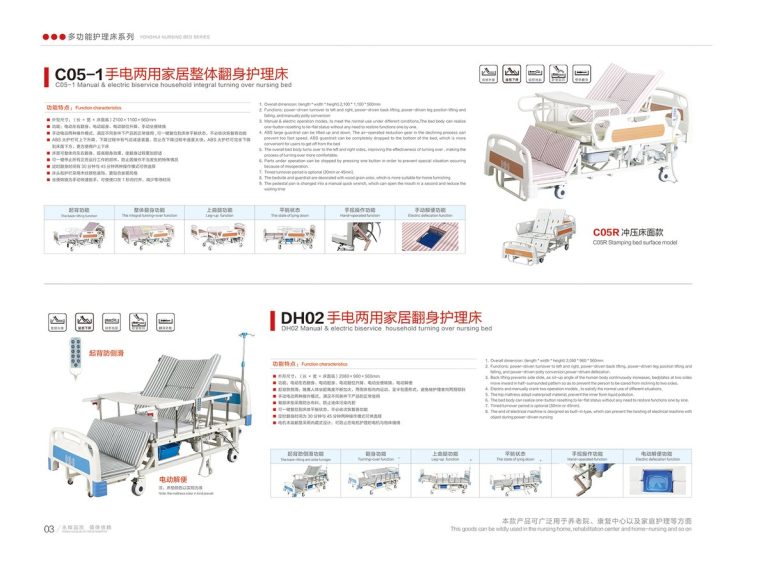
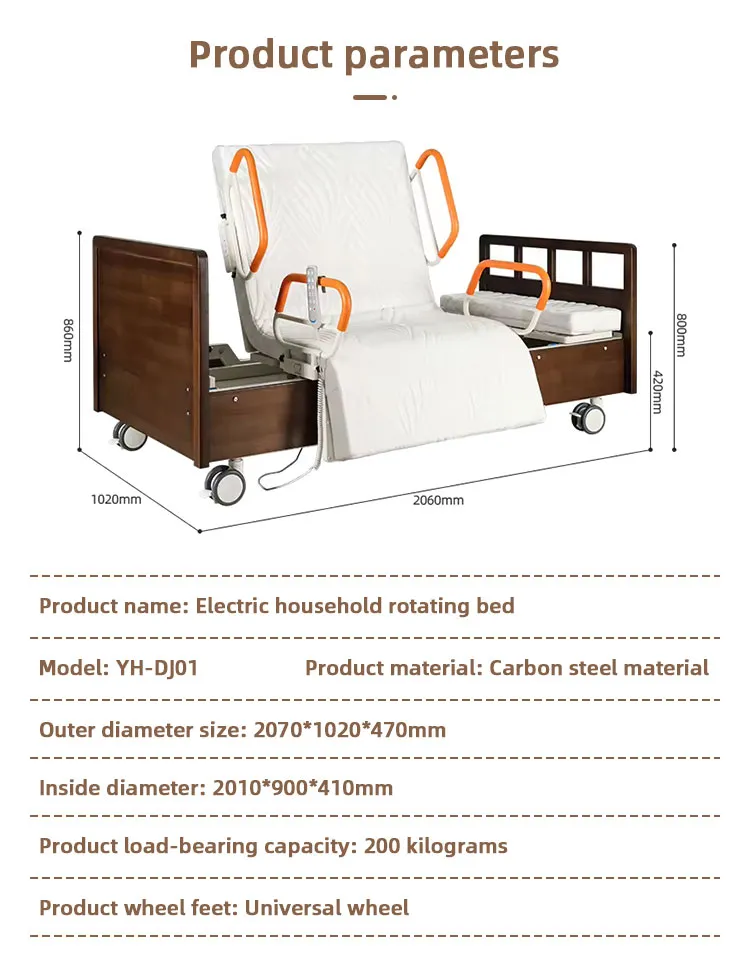
For a new distributor, focusing on electric homecare beds offers the highest potential return on investment. These products address the core problem of patient mobility: traditional manual beds require caregivers to physically摇动 (rock) the bed, whereas electric beds allow patients or caregivers to adjust positions via remote control [Bed K2]. This functionality reduces caregiver labor intensity, improves patient comfort, and helps prevent complications such as bedsores and lung infections [Bed K2].
Product Selection: The Core of Your Inventory
Your reputation as a distributor hinges on the quality and reliability of the products you sell. In the nursing bed category, the electric linear actuator is the critical component that defines performance. Often described as the muscle of the nursing bed, the linear actuator converts rotational motion into linear push/pull motion to raise bed sections [Actuator K1].
Key Technical Specifications to Evaluate
When vetting suppliers, you must look beyond marketing claims and examine the technical parameters. The quality of the motor directly determines the lifespan and safety of the nursing bed [Actuator K1]. High-end brands typically utilize motors from manufacturers like LINAK (Denmark) or Dewert (Germany), which offer silent operation below 45dB and IPX4 water resistance [Actuator K1]. In contrast, mid-to-low range products may use domestic motors with significant price differences, often 3 to 5 times cheaper, but with notable variations in lifespan and noise levels [Actuator K1].
Specific specs you should demand from your supply chain include:
- Stroke Length: Typically ranges from 150mm to 300mm to allow for adequate bed height and angle adjustment [Actuator K1].
- Force Capacity: Should be between 4000N to 8000N to ensure stable lifting under load [Actuator K1].
- Duty Cycle: Usually rated at 10% at full load, meaning the motor should rest after short periods of intense use to prevent overheating [Actuator K1].
- Noise Levels: Critical for homecare environments; high-quality systems operate quietly to ensure patient rest [Actuator K1].
Understanding these specs allows you to differentiate between luxury items and essential medical equipment. A common misconception is that electric beds are merely luxury goods [Bed K2]. In reality, in many developed markets, they are becoming basic configurations for elderly care and rehabilitation [Bed K2].
Sourcing Strategies: OEM, ODM, and OBM Models
Once you have defined your product requirements, you must decide on your manufacturing partnership model. The industry primarily operates through three models, each with distinct margin structures and operational complexities [OEM K2].
| Model | Definition | Typical Margins | Best For |
|---|---|---|---|
| OEM | Factory produces to buyer’s design | 5-10% | Established brands with existing IP |
| ODM | Factory provides design + production | 10-15% | Startups needing turnkey solutions |
| OBM | Factory sells under its own brand | 20-35% | Distributors buying ready-made stock |
For a new distributor, the ODM model often offers the best balance of control and effort. You leverage the factory’s design expertise while branding the product under your own name. However, if you are looking to build a brand from scratch with unique intellectual property, OEM is the route, though margins are tighter [OEM K2].
When selecting a manufacturing partner, consider companies like HJIM (Hengshui Chengen Medical Equipment Co., Ltd). HJIM offers robust OEM/ODM capabilities, ensuring that whether you need custom branding or standard models, the production aligns with international quality standards. Their product lines, such as the HJIM MD-A12 Electric Nursing Bed, feature 3 functions including backrest and leg elevation, ABS detachable headboards, and reliable remote operation, making them suitable for hospitals, nursing homes, and home care settings [Bed K2]. You can explore their specifications at hjim.com to understand the baseline quality expected in this sector.
Regulatory Compliance and Medical Certification
Medical equipment distribution is heavily regulated. Selling non-compliant products can lead to legal liabilities and reputational damage. You must ensure that every unit you distribute meets the regulatory standards of your target market.
Key certifications include:
- ISO 13485: This is the international standard for quality management systems specific to medical devices. It ensures consistent design, development, production, and delivery of safe medical products.
- CE Marking: Mandatory for selling in the European Economic Area, indicating conformity with health, safety, and environmental protection standards.
- FDA Registration: Required for distributing medical devices in the United States. This involves listing the device and ensuring facility registration.
When vetting suppliers, ask for their certification documents. A reputable manufacturer will have these readily available. For instance, ensuring that the linear actuators used meet IP ratings for water resistance is crucial for cleaning protocols in clinical environments [Actuator K1].
Technology Trends Shaping the Future
To remain competitive, your distribution portfolio should reflect current technology trends. The industry is moving towards smarter, connected devices that enhance patient care and operational efficiency.
Current technology trends include:
- IoT Integration: Modern beds allow for remote monitoring of patient vitals, bed position, and weight via WiFi or 4G connections [Tech K2]. This is invaluable for remote patient monitoring services.
- Smart Anti-fall Systems: Bed exit alarms with AI-powered false positive reduction help prevent patient injuries without disturbing sleep unnecessarily [Tech K2].
- Voice Control: Integration with smart home systems like Alexa or Google Home allows patients with limited mobility to control their environment [Tech K2].
- Predictive Maintenance: Sensors monitor motor and actuator health, alerting caregivers before a failure occurs [Tech K2].
Incorporating these features into your product offering can differentiate your business from competitors who only sell basic mechanical models. It positions your brand as a provider of comprehensive patient care solutions rather than just furniture.
Building a Sustainable Sales and Service Network
Successful distribution is not just about moving boxes; it is about providing value-added services. In the medical equipment sector, after-sales support is a critical component of the business model.
Consider the following strategies:
- Training Programs: Offer training for caregivers and hospital staff on how to use electric nursing beds safely. This reduces misuse and warranty claims.
- Warranty Management: Clearly define warranty terms. Since motor quality varies significantly between brands like LINAK and generic alternatives, having a clear warranty policy protects both you and the customer [Actuator K1].
- Inventory Management: Maintain stock of critical spare parts, such as controllers and remotes, to minimize downtime for your clients.
By focusing on caregiver ergonomics and patient safety, you build trust. Healthcare procurement officers are more likely to stick with a distributor who understands the clinical implications of the equipment, such as how bed height affects nurse back safety or how angle adjustments prevent pressure u
Financial Planning and Margin Analysis
Understanding your cost structure is vital for profitability. As noted in the manufacturing analysis, margins vary significantly based on your role in the supply chain [OEM K2]. If you act as a pure distributor (OBM model), you might see margins of 20-35%, but you bear the marketing and inventory risk. If you engage in OEM manufacturing, margins drop to 5-10%, but you gain control over product differentiation.
Additionally, consider the total cost of ownership for your clients. While a bed with a LINAK motor costs more upfront, its longevity and lower noise levels reduce long-term replacement costs and improve patient satisfaction [Actuator K1]. Educating your clients on this value proposition allows you to justify premium pricing.
Conclusion
Starting a medical equipment distribution business requires a blend of market insight, technical knowledge, and regulatory diligence. The nursing bed market offers substantial growth, particularly in the homecare segment, driven by global aging trends [Market K1]. By selecting high-quality components like reliable linear actuators, partnering with compliant manufacturers such as HJIM, and staying ahead of technology trends like IoT integration, you can build a resilient business.
Success in this field comes from understanding that you are distributing tools for care, not just products. Whether you choose an OEM, ODM, or OBM model, ensuring medical device compliance and providing excellent after-sales support will define your long-term viability. With the right strategy, your business can play a crucial role in improving patient outcomes and supporting the global healthcare infrastructure.
What are the key technical specifications for linear actuators in nursing beds?
When evaluating linear actuators for nursing beds, you should focus on stroke length, force capacity, and noise levels. Typically, the stroke should range from 150mm to 300mm to allow for adequate bed adjustment [Actuator K1]. The force capacity should be between 4000N to 8000N to ensure stable lifting [Actuator K1]. Additionally, noise levels should be below 45dB for patient comfort, and the duty cycle is usually rated at 10% at full load to prevent motor overheating [Actuator K1].
What is the difference between OEM, ODM, and OBM manufacturing models?
The difference lies in who owns the design and the brand. In OEM (Original Equipment Manufacturing), the factory produces to the buyer’s design, typically yielding 5-10% margins [OEM K2]. In ODM (Original Design Manufacturing), the factory provides both design and production, offering 10-15% margins [OEM K2]. In OBM (Original Brand Manufacturing), the factory sells under its own brand, which can yield 20-35% margins for distributors buying stock [OEM K2].
What certifications are required for distributing medical nursing beds in major markets?
For major markets, you must ensure compliance with specific regulatory standards. ISO 13485 is essential for quality management in medical devices. For Europe, CE marking is mandatory, indicating conformity with health and safety standards. For the United States, FDA registration is required for medical device distribution. These certifications ensure the equipment meets safety and performance requirements [General Compliance].
How do homecare nursing beds differ from hospital beds in terms of growth and features?
Homecare nursing beds are growing much faster than hospital beds, with an 18% CAGR compared to 6% for hospital beds [Segments K3]. This is due to aging-in-place trends and government subsidies. While hospital beds focus on ICU expansion and smart monitoring integration, homecare beds prioritize ease of use, quieter operation, and compatibility with home environments [Segments K3]. Both types utilize electric linear actuators for positioning, but homecare models often emphasize aesthetics and voice control integration [Tech K2].
We recommend checking out HJIM nursing beds for reliable quality.